How to Reduce Your Overseas Production Line Costs by 40%: 7 Proven Strategies
2025年9月18日 by newideapack
YSetting up a full Overseas Production Linecan be a massive financial undertaking, but it doesn’t have to drain your expansion budget. By implementing strategic sourcing and advanced manufacturing techniques, businesses can reduce their initial capital expenditure by up to 40%. This guide explores 7 proven strategies—from bypassing middlemen to utilizing modular equipment—designed to help you navigate the complexities of international machinery setup while ensuring a rapid return on investment.
How can sourcing strategies lower your coffee production line cost?

You can lower your coffee production line cost by sourcing directly from manufacturers located in specialized industrial clusters. By bypassing regional distributors, you eliminate the 15-25% commissions that typically inflate the final equipment price. This direct approach also ensures you receive authentic spare parts and direct engineering support.
Is factory-direct sourcing better for your budget?
Direct sourcing allows you to negotiate pricing based on the actual manufacturing costs rather than market-driven retail rates. This transparency is vital for large-scale capital expenditures.
Eliminate middleman markups.
Access direct customization options.
Secure bulk purchase discounts.
The best part? You build a relationship with the people who actually design and build your machinery.
Can industrial clusters provide better equipment value?
Industrial clusters often share high-end component suppliers, which drives down the cost of premium parts like PLC controllers and pneumatic valves. You benefit from a competitive ecosystem that prioritizes efficiency and low production overhead.
Lower shipping costs for components.
Standardized parts availability.
Rapid technical innovation.
Look: sourcing from a cluster ensures that your technology remains current without the “premium brand” tax.
Key Takeaway: Direct sourcing from industrial hubs provides immediate capital savings while ensuring long-term part availability for your facility.
The following table summarizes how sourcing choices directly impact your initial investment and long-term maintenance accessibility.
Sourcing Method
Initial Capital Save
Tech Support Quality
Direct Manufacturer
20% – 40%
High (Expert)
Local Distributor
5% – 10%
Variable (Agent)
Third-Party Broker
0%
Low (Generalist)
Strategic sourcing remains the most impactful decision you can make to protect your initial expansion budget.
Why does modular design impact your coffee production line cost?

Modular machine designs impact your coffee production line cost by allowing you to invest only in the capacity you currently need. Instead of purchasing a massive, rigid system, you can start with a core unit and add specialized modules as your volume grows. This “pay-as-you-grow” model prevents over-capitalization and keeps your debt-to-equity ratio healthy.
How does modularity prevent equipment obsolescence?
Modular systems allow you to swap out individual units—like a filler or a sealer—without replacing the entire line. This ensures your facility can adapt to new packaging trends with minimal reinvestment.
Easy lane expansion.
Interchangeable sealing heads.
Quick-connect electronics.
Believe it or not, this flexibility can extend the life of your production line by several decades.
Can modular designs reduce your installation expenses?
Modular machines are typically pre-tested and “plug-and-play,” which slashes the time and labor required for overseas setup. You avoid the high cost of flying in multiple engineers for weeks of onsite assembly.
Reduced onsite welding needs.
Simplified electrical wiring.
Faster production start-up.
Think about it: every day your line isn’t running is a day you are losing potential revenue.
Key Takeaway: Investing in modularity protects you from the high costs of total system replacement and allows for affordable, incremental scaling.
The data below illustrates the significant cost advantages of modular systems over traditional monolithic production designs.
Design Type
Scaling Cost
Installation Time
Modular System
Low
3-5 Days
Monolithic Line
High
14-21 Days
Custom Built
Extremely High
30+ Days
Choosing modularity ensures your production environment remains agile enough to respond to changing market demands without breaking the bank.
Can factory collaboration minimize your coffee production line cost?

Close factory collaboration minimizes your coffee production line cost by granting your team access to direct technical training and remote diagnostics. When you work with Newidea Pack, you eliminate the need for expensive third-party consultants who often charge hourly for basic troubleshooting. This direct line of communication ensures that your uptime remains high and your maintenance costs stay low.
What are the benefits of remote technical support?
Remote diagnostics allow factory engineers to log into your machine’s PLC via the internet to fix software bugs instantly. You save thousands of dollars annually by avoiding the travel costs of onsite technicians.
Real-time video guidance.
OTA software updates.
Predictive maintenance alerts.
You might be wondering: how fast can we resolve a system error? Most software issues are fixed in under an hour.
How does operator training reduce long-term labor costs?
A well-trained internal team can perform 90% of required maintenance, removing the “service fee” burden from your monthly budget. Factories often provide comprehensive training modules that empower your staff to be self-sufficient.
Reduced human error.
Lower machine wear-and-tear.
Increased safety compliance.
Look: an educated operator is your best defense against expensive mechanical breakdowns.
Key Takeaway: Deep collaboration with your manufacturer turns them into a long-term partner dedicated to your operational efficiency and cost control.
The table below breaks down the annual savings achieved through direct factory support compared to traditional service models.
Support Category
Factory Direct
Third-Party Agency
Hourly Rate
Included/Minimal
$150 – $300
Travel Expense
$0 (Remote)
$2,000+ per visit
Software Updates
Free
Per-update fee
Collaborative partnerships represent a shift from reactive spending to proactive, data-driven cost management for your facility.
How does automation ROI affect your coffee production line cost?

High-speed automation dramatically affects your coffee production line cost by slashing your monthly payroll and reducing material waste. While the initial purchase price of an automated machine is higher, the ROI is usually achieved within 12 to 14 months through increased output. Automated lines operate at a consistent pace, ensuring your production schedule is never disrupted by human absences.
Is full automation worth the initial investment?
Full automation replaces multiple manual roles—such as filling, sealing, and boxing—with a single, integrated process. This transition stabilizes your production costs even as local labor rates continue to rise.
24/7 production capability.
Consistent packaging quality.
Drastic reduction in labor overhead.
Here’s the deal: automation is a hedge against the rising cost of manual labor in global markets.
How does precision automation reduce material waste?
Automated systems use sensors to ensure every bag is perfectly filled and sealed, which prevents the “giveaway” of expensive coffee beans. Reducing your waste by even 1% can result in tens of thousands of dollars in annual savings.
Precise auger dosing.
Ultrasonic seal integrity.
Automatic reject systems.
The best part? You never have to worry about a “bad batch” damaging your brand reputation in a new market.
Key Takeaway: Strategic automation is the most effective way to lower your cost-per-bag and secure a competitive advantage in the retail space.
This comparison highlights the long-term financial benefits of shifting from manual processes to a fully automated production environment.
Metric
Manual Production
Automated Production
Bags Per Minute
5 – 10
60 – 90
Labor Requirement
6+ Workers
1 Supervisor
Material Waste
2% – 5%
< 0.5%
Investing in automation is not just an equipment upgrade; it is a fundamental shift toward a more profitable business model.
Will energy efficiency reduce your coffee production line cost?

Energy-efficient machinery will reduce your coffee production line cost by lowering your monthly utility bills and decreasing the strain on your facility’s electrical infrastructure. Modern machines from Newidea Pack utilize high-efficiency servo motors and ultrasonic sealing technologies that consume significantly less power than traditional heat-sealing units. These savings accumulate over time, directly contributing to your bottom-line profitability.
Why is ultrasonic sealing better for energy savings?
Unlike thermal bars that must stay hot all day, ultrasonic sealing only uses electricity for the millisecond the seal is formed. This “on-demand” energy usage can lower your packaging power consumption by up to 30%.
No warm-up time needed.
Reduced cooling requirements.
Lower ambient heat in the factory.
You see: ultrasonic technology is as good for your electricity bill as it is for the environment.
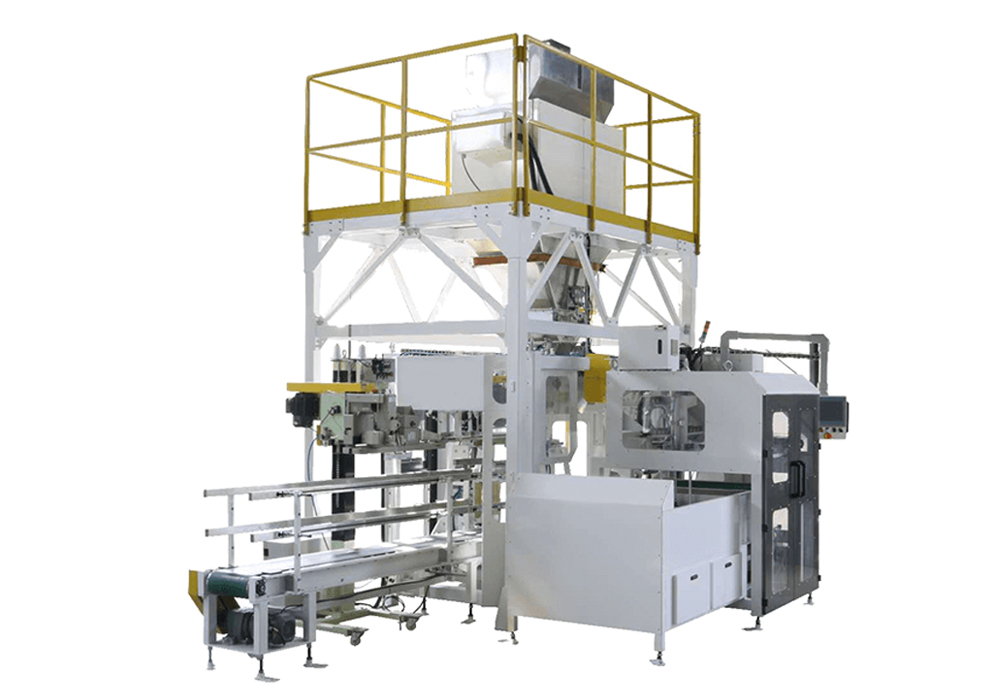
NGA-750 25-50kg Granule Automatic Bagging Machine
How do high-efficiency motors lower operating costs?
Servo motors only draw the exact amount of torque required for each movement, unlike older induction motors that run at full power constantly. This precision reduces electrical waste and prevents the premature wear of mechanical components.
Lower heat generation.
Increased component lifespan.
Precise motion control.
Think about it: every watt saved is a fraction of a cent added back to your profit margin.
Key Takeaway: Energy-efficient equipment turns your overhead costs into a strategic advantage by lowering the long-term cost of production.
The table below outlines the energy consumption differences between traditional machinery and modern, high-efficiency systems.
Technology
Power Draw
Daily Energy Cost
Ultrasonic Sealing
Low
$12.00
Traditional Heat Seal
High
$38.00
High-Efficiency Servo
Low
$15.00
Switching to green technology is a financial decision that pays dividends through reduced operational overhead and enhanced equipment reliability.
Can logistics planning cut your coffee production line cost?

Professional logistics planning can cut your coffee production line cost by optimizing container space and preventing expensive shipping damage. When you consolidate multiple machines into a single Full Container Load (FCL), you significantly reduce the cost per unit of equipment transported. Newidea Pack handles the complex crating and bracing requirements to ensure your investment arrives safely and ready for installation.
Why is container consolidation important?
Shipping air is expensive, so maximizing every cubic inch of your container is vital for overseas projects. Consolidating your roaster, grinder, and packaging machine into one shipment simplifies customs and lowers brokerage fees.
Lower ocean freight rates.
Single customs entry point.
Reduced handling risks.
Look: a single FCL is always more cost-effective than multiple LCL (Less than Container Load) shipments.
How does professional crating prevent hidden costs?
Improperly crated machinery can shift during transit, leading to broken sensors or bent frames that cost thousands to repair. Vacuum-sealed packaging and heavy-duty wooden crates protect your delicate electronics from salty sea air and moisture.
Rust-prevention coatings.
Shock-absorbent bracing.
Weatherproof external crating.
You might be wondering: is the extra cost of crating worth it? Absolutely, because it prevents the “total loss” scenario.
Key Takeaway: Smart logistics management ensures that your equipment reaches its destination on time and within the original budget.
The data below demonstrates the cost-saving potential of choosing optimized shipping methods for large-scale machinery.
Shipping Method
Cost Efficiency
Risk Level
FCL (Full Container)
High
Low
LCL (Shared Container)
Moderate
Medium
Air Freight
Very Low
Minimal
By planning your logistics early, you avoid the “emergency” air freight charges that often plague poorly managed overseas setups.
Why is waste control critical for your coffee production line cost?

Waste control is critical for your coffee production line cost because raw materials represent your largest recurring expense. If your machinery is inaccurate, you are effectively throwing away profit with every bag produced. Precision-engineered filling systems ensure that you meet legal weight requirements without significantly overfilling each pouch.
How does dosing accuracy affect your margins?
Even a tiny overfill of 0.5 grams per bag adds up to hundreds of kilograms of “lost” coffee every month. High-precision augers controlled by advanced PLC software minimize this giveaway to nearly zero.
±0.1g filling precision.
Real-time weight monitoring.
Automated calibration cycles.
Think about it: saving 1 gram per bag on a 100,000-bag run is 100kg of free inventory.
Can ultrasonic sealing reduce film waste?
Traditional heat seals often require a wider margin of film to ensure a strong bond, whereas ultrasonic seals are much narrower. This allows you to use smaller film rolls, reducing your annual packaging material spend by 5-10%.
Narrower seal widths.
Fewer rejected bags.
Compatible with thin films.
Here’s the deal: precision in every stage of the process is the ultimate form of cost control.
Key Takeaway: High-precision machinery pays for itself by maximizing the yield you get from every pound of roasted coffee.
The following table illustrates the potential annual loss from inaccurate filling across different production volumes.
Fill Accuracy
Loss (1M Bags)
Estimated Financial Loss
±0.1g (High)
100 kg
$1,500
±0.5g (Standard)
500 kg
$7,500
±1.5g (Low)
1,500 kg
$22,500
Protecting your product yield through precision technology is one of the fastest ways to improve your facility’s profitability.
How do hidden fees inflate your coffee production line cost?

Hidden fees inflate your coffee production line cost by catching you off-guard with expenses like import duties, electrical conversions, and site preparation. You must account for these “soft costs” during the planning phase to avoid stalling your project midway through implementation. Partnering with an experienced exporter like Newidea Pack helps you identify these potential traps before they affect your cash flow.
What are the most common hidden import costs?
Many countries apply high tariffs to industrial machinery unless you provide specific certificates of origin or energy-efficiency ratings. You should consult with a customs broker early to understand the exact tax burden for your specific region.
Value Added Tax (VAT).
Port storage fees.
Customs inspection surcharges.
You see: the “port price” is rarely the “delivered price” for overseas equipment.
Why do electrical standards matter for your budget?
Modifying a machine’s electrical system once it arrives is incredibly expensive and can void your warranty. Ordering a machine pre-configured for your local voltage (e.g., 220V/60Hz) is far more cost-effective than buying a transformer later.
Phase-converter expenses.
Rewiring labor costs.
Component compatibility risks.
Look: getting the specs right at the factory is the simplest way to save thousands in the field.
Key Takeaway: A comprehensive budget that includes taxes and site prep prevents the financial stress of “emergency” fundraising.
The table below highlights common hidden fees and how to mitigate them during the purchasing process.
Fee Category
Average Impact
Mitigation Strategy
Import Duties
5% – 20%
Proper HS Code usage
Electrical Prep
2% – 5%
Factory-direct specs
Site Installation
3% – 10%
Pre-delivery checklists
Identifying these costs early allows you to secure proper financing and ensure a smooth, uninterrupted facility launch.
Can high-speed output optimize your coffee production line cost?

High-speed output optimizes your coffee production line cost by spreading your fixed overhead—like rent and management—over a much larger volume of product. The lower your “fixed cost per bag,” the more competitive you can be in the marketplace. Choosing a machine capable of 90 bags per minute instead of 40 can effectively double your revenue potential without doubling your floor space requirements.
Does speed always lead to better ROI?
Speed only provides a better ROI if the machine remains stable and produces high-quality seals at those velocities. High-end systems from Newidea Pack utilize synchronized servo motors to ensure that quality is never sacrificed for quantity.
Faster order fulfillment.
Ability to handle seasonal peaks.
Market-leading throughput.
Believe it or not, a faster machine often pays for itself months earlier than a budget model.
How does output volume lower your raw material costs?
When you produce at higher volumes, you gain more leverage with your coffee bean and packaging film suppliers. These bulk-buying discounts further lower your total production cost and boost your overall margins.
Volume-based film pricing.
Better green bean contracts.
Shipping logistics leverage.
Think about it: high-speed production is the engine that drives your business toward economies of scale.
Key Takeaway: Maximizing your output per square foot is the most efficient way to achieve a rapid return on your machinery investment.
The table below shows how production speed influences your ability to capture market share and achieve total capital recovery.
Production Rate
Yearly Capacity (1-Shift)
Time to ROI
40 BPM
5.7 Million Bags
20 Months
65 BPM
9.3 Million Bags
14 Months
90 BPM
12.9 Million Bags
9 Months
Speed isn’t just about moving fast; it’s about maximizing every minute of your factory’s operational life.
How does Newidea Pack stabilize your coffee production line cost?

Newidea Pack stabilizes your coffee production line cost by providing a predictable, all-in-one solution that covers everything from engineering to global logistics. Our 18 years of experience in the industry mean we have refined our processes to eliminate the trial-and-error costs that often plague new roasteries. We provide high-precision, automated equipment that is designed to run reliably for decades with minimal maintenance overhead.
Why is our engineering expertise a cost-saver for you?
Our machines are built with 40+ technical patents that focus on reducing energy use and material waste. You get a machine that is optimized for performance right out of the box, saving you from expensive field modifications.
±0.1g filling accuracy.
Energy-efficient ultrasonic tech.
Modular, scalable frames.
The best part? Our global track record with brands like Luckin Coffee proves that our systems can scale with you.
How do our global support networks protect your investment?
We offer 24/7 remote technical assistance and have a robust parts distribution system that ensures your line never sits idle. Minimizing downtime is the ultimate way to protect your profit margins and ensure customer satisfaction.
Multi-language HMI interfaces.
Rapid spare parts shipping.
Dedicated account engineers.
Look: when you choose Newidea Pack, you aren’t just buying a machine; you are securing the future of your production facility.
Key Takeaway: Choosing a proven expert like Newidea Pack eliminates the financial risks of overseas setup and provides a clear path to production excellence.
Setting up an overseas production line is a massive undertaking, but it doesn’t have to be a financial burden. By prioritizing direct sourcing, modularity, and high-speed automation, you can build a facility that is both cost-effective and highly scalable. Newidea Pack is committed to providing the technology and support you need to succeed in the competitive global coffee market.
Our mission is to empower roasters with the tools they need to achieve 100% ROI in record time. If you are ready to scale your production without overspending, contact us today for a customized consultation. Let’s build a more profitable future together.
FAQ
Can I start with a semi-automatic line to save money? Yes, you can start with semi-automation, but it usually results in higher long-term labor costs and lower consistency. While the initial price is lower, the total cost of ownership often exceeds that of a fully automated line within the first two years.
What’s the best way to handle import duties? The best way is to work with a specialized customs broker and ensure your manufacturer provides a Certificate of Origin. This can often qualify you for lower tariff rates under various free-trade agreements between your country and the manufacturer’s region.
How do I know if my facility is ready for this machinery? You need to ensure you have a level floor, stable industrial power, and adequate compressed air capacity. We provide a detailed pre-installation site checklist to help you prepare your facility before the crates arrive.
Is it possible to upgrade my machine later? It is definitely possible if you choose a modular design like those offered by Newidea Pack. You can add extra filling lanes, nitrogen flushing systems, or robotic boxing units as your production needs grow.
What happens if a critical part breaks? If a part breaks, our 24/7 support team will help you diagnose the issue remotely and ship a replacement part immediately. We use standardized components from global brands like Siemens, which can also be sourced locally in many cases.
Sales Pitch Component
If you are ready to scale your production without overspending
Contact us today for a customized consultation. Let’s build a more profitable future together.