What is Coffee Packaging Innovation and How to Drive Sales?
2025年12月29日 by newideapack
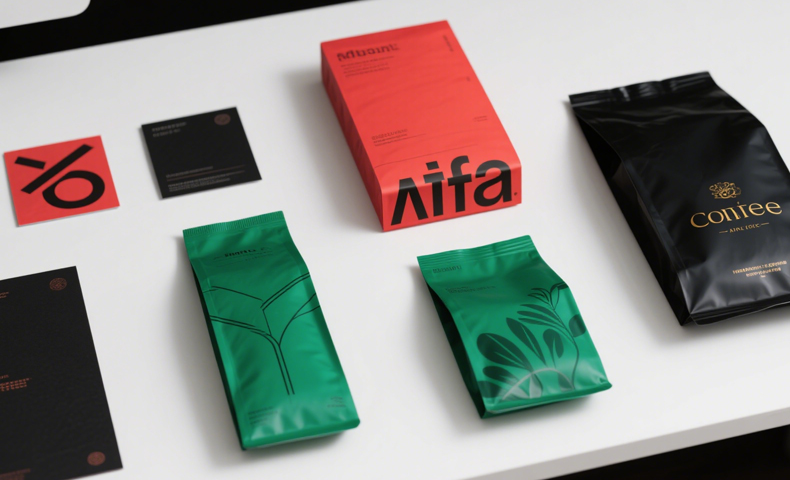
Coffee packaging innovation drives sales by maintaining bean peak freshness through advanced barriers and utilizing smart design to capture consumer attention in seconds. Modern solutions prioritize functional excellence alongside brand storytelling to convert browsing shoppers into loyal recurring buyers.
Many specialty coffee roasters face the agonizing reality of seeing their premium beans lose aroma within weeks while generic bags fail to stand out on crowded retail shelves. It is a frustrating cycle where high-quality roasting gets undermined by subpar containment. But here’s the kicker… you can fix this by adopting a strategic coffee packaging strategy that protects your product and amplifies your brand authority. Drawing on 15 years of helping global brands scale, I have seen how the right pouch turns a simple commodity into a high-margin experience.
What is Coffee Packaging Innovation and How to Drive Sales?
1. Why is coffee packaging critical for brand identity?
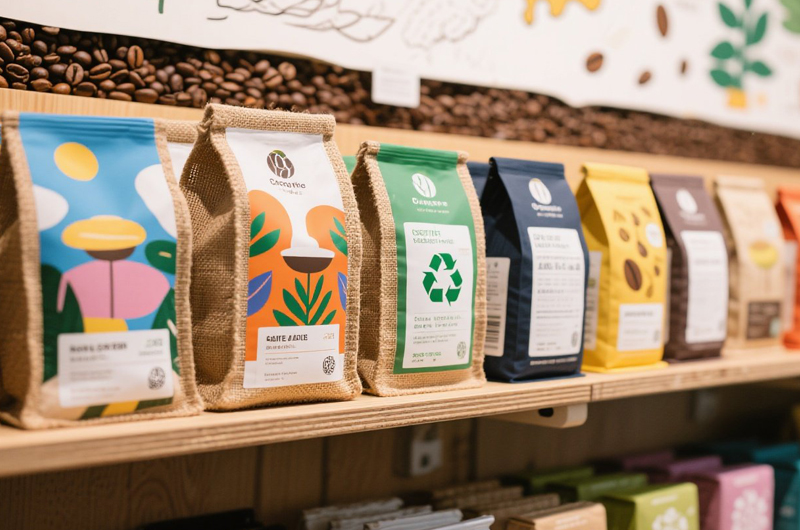
Packaging provides instant identity and establishes consumer trust by acting as a silent salesperson for your specialty roast. High-quality visuals and tactile finishes communicate your brand’s value proposition before the customer ever smells the beans. You might be wondering… how much does a bag really matter?
Does design affect perceived value?
Visual elements like logos and color palettes set immediate expectations regarding flavor profiles and quality tiers. Professional design ensures shoppers feel confident in their purchase.
Bold colors often signal intense roast profiles.
Matte finishes suggest a premium, artisanal product.
Minimalist layouts appeal to high-end boutique buyers.
What’s the real story? A Seattle roaster saw a 28% increase in online orders simply by switching from plain kraft paper to custom-designed coffee packaging that matched their roast profiles. This shift proved that buyers equate the quality of the container with the quality of the contents.
Key Takeaway: Investing in visual storytelling through your bags directly shortens the customer’s decision-making process.
Branding Element
Impact on Buyer
Sales Influence
Custom Typography
High Authority
Increases Trust
Brand Color Scheme
Instant Recognition
Drives Repeat Buys
Tactile Texture
Premium Feel
Supports Higher Pricing
The data shows that professional aesthetics are not just about beauty; they are functional tools for market penetration.
2. How does coffee packaging design shape buyer perception?
Good design guides the human eye and delivers your brand promise rapidly through a logical hierarchy of information. Clear typography and structured layouts allow busy shoppers to identify the roast and origin they desire without frustration. Ready for the good part?
How to organize information effectively?
Clarity always wins over clutter when it is competing for attention in a saturated retail aisle. Effective bags use contrast and whitespace to highlight the most important data points.
Place the brand name at the top for recognition.
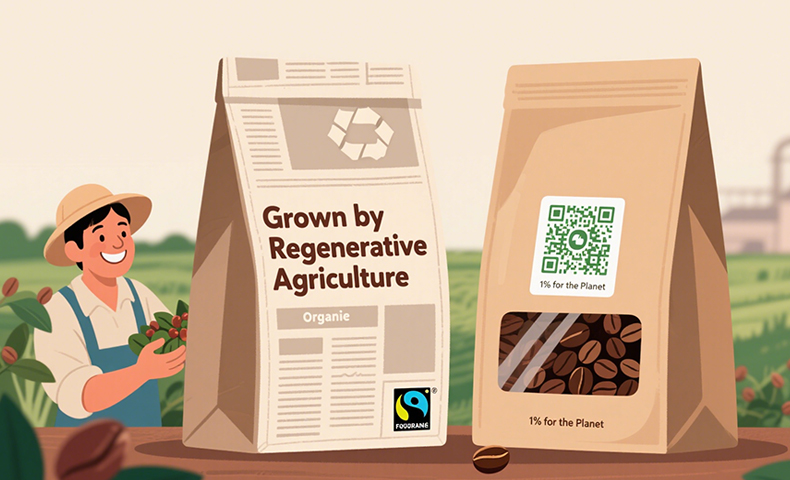
Use bold icons for certifications like Fair Trade or Organic.
List tasting notes in an easy-to-read bulleted format.
Here’s the deal: shifting from a cluttered label to a structured coffee packaging design with high-contrast fonts helps customers make a choice in under three seconds. This efficiency reduces “buyer’s block” and leads to higher conversion rates at the point of sale.
Key Takeaway: Use design hierarchy to answer the customer’s most important questions—origin, roast, and taste—immediately.
Design Feature
Low-Impact Bag
High-Impact Bag
Font Choice
Small/Hard to read
Large/Sans-serif
Information Layout
Random blocks
Hierarchical
Callouts
Text-heavy
Icon-based
A streamlined layout removes the friction that often prevents a trial purchase of a new brand.
What is Coffee Packaging Innovation and How to Drive Sales?
3. What materials optimize coffee packaging freshness?
Multi-layer films featuring aluminum or EVOH barriers lock out oxygen and light to preserve the delicate oils and aromas of your coffee. Standard paper bags allow air to penetrate, leading to stale beans and dissatisfied customers within days. This is where it gets interesting…
Which barrier layers are most effective?
Selecting the right material involves balancing shelf-life requirements with the specific shipping needs of your business model. High-barrier laminates are the gold standard for long-distance retail distribution.
PET/Alu/PE provides the highest oxygen protection.
Metalized films offer a cost-effective alternative to pure foil.
Degassing valves allow CO2 to escape without letting air in.
Believe it or not, tests on a Colombian exporter’s coffee packaging showed that moving to a triple-layer laminate reduced oxygen transmission by 90%. This maintained aroma retention at 85% after a full month, ensuring the end-user experienced the roast as intended.
Key Takeaway: Your material choice is an insurance policy for your roast’s flavor profile and your brand’s reputation.
Material Type
Oxygen Barrier
Shelf Life
Single Layer Kraft
Very Low
7-10 Days
Metalized PET
Medium-High
6-9 Months
Aluminum Foil Laminate
Excellent
12+ Months
The right barrier ensures that the “roasted on” date remains a promise of quality rather than a countdown to staleness.
4. How can eco-friendly coffee packaging win customers?
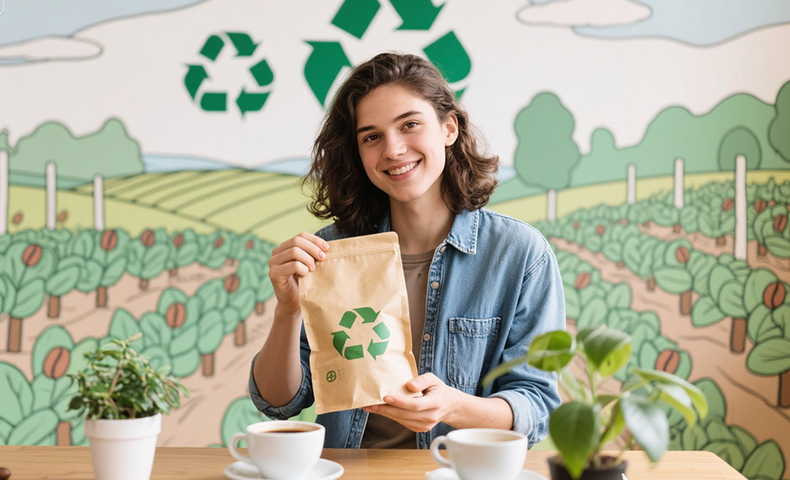
Compostable and recyclable pouches signal environmental responsibility and align your brand with the growing demographic of conscious consumers. Modern buyers are often willing to pay a premium for brands that demonstrate a commitment to reducing plastic waste. But wait, there’s more…
Are sustainable materials durable enough?
Transitioning to green solutions requires careful testing to ensure that the barrier properties are not compromised for the sake of sustainability. You must choose certified materials that meet industrial composting standards.
PLA-based films offer good clarity for windows.
Kraft paper with compostable liners provides a natural look.
Recyclable PE mono-materials simplify the waste stream for users.
Using sustainable coffee packaging can lead to a significant boost in social media engagement and loyalty among younger demographics. One Italian roaster saw a 15% sales increase in eco-focused shops after switching to fully compostable pouches.
Key Takeaway: Sustainability is no longer a niche preference; it is a core expectation for modern B2B and B2C coffee brands.
Eco Material
Disposal Method
Impact on Sales
Compostable PLA
Industrial Compost
High (Eco-niche)
Recyclable PE
Blue Bin
Moderate (Broad)
Bio-based Foil
Variable
Growing
Transparency regarding your environmental footprint builds a layer of trust that generic plastic bags cannot replicate.
5. How does smart coffee packaging enhance engagement?
Smart features like QR codes and NFC tags invite customers to interact with your brand digitally, providing a bridge between the physical bag and your online presence. This technology turns a static product into a dynamic gateway for information and education. Think about it…
What data can you collect through smart bags?
By integrating digital touchpoints, roasters can gather valuable analytics on consumer behavior while providing helpful brewing guides to the end-user. This creates a two-way dialogue that strengthens brand stickiness.
QR codes can link to videos of the farm origin.
NFC tags can trigger automatic re-orders via a smartphone.
Freshness sensors can visually indicate if a seal has been broken.
Implementing smart coffee packaging strategies allows you to track where your product is being scanned most frequently. A farm cooperative used QR codes to increase direct-to-consumer orders by 20% by showing a virtual tour of their plantation.
What is Coffee Packaging Innovation and How to Drive Sales?
Key Takeaway: Smart packaging transforms a one-time purchase into a long-term digital relationship with your customer.
Tech Feature
User Benefit
Roaster Benefit
QR Code
Brewing Tips
Scan Data/Analytics
NFC Tag
Instant Re-order
Higher LTV
Freshness Sensor
Proof of Quality
Reduced Returns
Digital integration makes your brand feel modern and provides “extra value” that justifies a premium price point.
6. How do degassing valves protect coffee packaging?
One-way degassing valves are essential components that prevent bags from bloating or bursting due to the natural release of carbon dioxide after roasting. Without these valves, you would have to wait for the beans to degas before packing, leading to oxygen exposure. It gets better…
Do all valves perform the same?
High-quality valves are designed to be airtight from the outside while allowing internal gases to escape efficiently. This is critical for maintaining the structural integrity of the coffee packaging during transit and storage.
Internal valves are hidden for a cleaner design.
External valves are more common for industrial applications.
Filter-equipped valves prevent coffee dust from clogging the seal.
Here is the deal: by packing immediately after roasting with a one-way valve, you capture the peak CO2 levels which help displace any residual oxygen in the bag. This technique is a fundamental requirement for any serious wholesale coffee operation.
Key Takeaway: Never skip the degassing valve if you are packing fresh-roasted beans for long-term retail sale.
Valve Type
Visual Profile
Primary Function
Standard One-way
Visible on front
CO2 Release
Filtered Valve
Standard
Prevent Clogging
Invisible/Internal
Hidden
Aesthetic Purity
The presence of a valve is a visual cue to customers that the coffee inside was packed fresh.
[Image showing a close-up of a one-way degassing valve and a diagram of air flowing out while being blocked from entering]
7. What are the best coffee packaging formats for B2B?
Selecting the right bag shape—such as flat-bottom pouches or side-gusseted bags—depends on your storage efficiency needs and how you want the product to stand on the shelf. The physical structure of your coffee packaging influences both shipping costs and retail visibility. You might be wondering…
Which shape offers the best shelf stability?
Flat-bottom bags combine the best features of stand-up pouches and quad-seal bags, offering five surfaces for branding and maximum stability. They are the preferred choice for premium “top-shelf” coffee brands.
Stand-up pouches (SUP) are cost-effective and popular.
Side-gusset bags offer a traditional, bulky look for bulk sales.
Flat-bottom bags provide a box-like presence for maximum impact.
Ready for the good part? Choosing a flat-bottom bag for your coffee packaging allows for 30% more branding space compared to traditional pouches. This extra “real estate” can be used for detailed origin stories or recipe suggestions that drive engagement.
Key Takeaway: Choose a bag format that balances your budget with the need for retail shelf presence.
Bag Format
Stability
Branding Space
Stand-up Pouch
Moderate
Moderate
Side Gusset
Low (needs support)
Limited on sides
Flat Bottom
Excellent
Maximum
The right format ensures your product stays upright and visible, even as the bag becomes empty.
What is Coffee Packaging Innovation and How to Drive Sales?
8. How does coffee packaging impact shipping efficiency?
Optimized packaging dimensions and lightweight materials directly reduce logistics costs and the carbon footprint of your distribution network. In the B2B world, the ability to pack more units per pallet is a significant competitive advantage. What’s the catch?
Can smaller bags save you money?
Reducing the “headspace” in your coffee packaging not only keeps the beans from moving too much but also allows for more compact secondary packaging. This leads to substantial savings in international shipping and warehousing.
Custom-sized bags eliminate wasted material.
High-strength films allow for thinner walls without risk of tearing.
Flexible pouches take up 80% less space than rigid cans when empty.
The real story is that a roaster who optimized their bag dimensions reduced their shipping costs by 12% annually. By aligning the coffee packaging size perfectly with the bean volume, they eliminated the need for excess dunnage in their shipping boxes.
Key Takeaway: Efficient packaging design is a direct contributor to your bottom-line profitability through logistics savings.
Shipping Factor
Bulk Packaging
Optimized Pouches
Material Weight
Heavy
Ultra-light
Storage Volume
High
Low
Protection Level
Variable
Consistent
Weight and volume reduction are the easiest ways to improve the sustainability and cost-effectiveness of your supply chain.
[Image showing a pallet of coffee bags organized efficiently, highlighting space-saving design]
9. How to select the right coffee packaging supplier?
Finding a partner who understands the technical requirements of the coffee industry is more important than simply finding the lowest price per unit. You need a supplier who offers consistent film quality, reliable lead times, and advanced customization options. Here’s the deal…
What certifications should a supplier have?
A reputable supplier of coffee packaging should provide documentation for food safety and material performance. This ensures your brand is protected from quality failures or legal issues.
ISO and BRC certifications for food safety.
FDA-compliant materials for North American markets.
Compostability certifications (e.g., TUV or BPI) for eco-claims.
Believe it or not, many roasters lose thousands in revenue due to “leaker” bags caused by poor seal strength from cheap suppliers. It is vital to contact us to discuss your specific barrier and seal requirements to avoid these costly mistakes.
Key Takeaway: Price is what you pay, but quality is what you get—choose a supplier that acts as a technical partner.
Supplier Criteria
Priority Level
Reason
Material Quality
Critical
Freshness Retention
Lead Times
High
Inventory Management
Innovation Capacity
Moderate
Future-proofing
A strong partnership with your supplier allows you to scale rapidly when a new blend takes off in the market.
10. How does labeling technology integrate with coffee packaging?
Digital printing has revolutionized how roasters handle small-batch releases and seasonal blends without needing massive inventory of pre-printed bags. It allows for high-resolution graphics and variable data that can be changed on the fly. But wait, there’s more…
Is digital printing better than flexo?
For B2B operations with multiple SKUs, digital printing on coffee packaging offers unmatched flexibility and lowers the barrier to entry for new product launches.
No plate costs for digital printing.
Perfect for limited-edition seasonal roasts.
Vibrant, photo-quality imagery for high-end beans.
The kicker is that using digital labels on a standard high-barrier pouch allows you to test market demand for a new origin without committing to 10,000 units. This “lean” approach to coffee packaging reduces financial risk while maintaining a professional appearance.
Key Takeaway: Use digital printing to keep your product lineup fresh and responsive to consumer trends.
Printing Method
Minimum Order
Setup Cost
Flexographic
High (10k+)
High (Plates)
Digital
Low (500+)
Zero
Thermal Transfer
Very Low
Minimal
Flexible printing options allow you to act like a large brand even if you are just starting to scale your operations.
Conclusion
In summary, coffee packaging innovation is the most effective way to protect your product’s integrity while simultaneously driving sales through design, sustainability, and smart technology. We have explored how material barriers prevent staleness, how visual hierarchy guides buyers, and how eco-friendly options build lasting trust. By focusing on these five pillars, you ensure that your coffee is not just another bag on the shelf, but a premium experience that customers will return to again and again.
At PrecisionVast, we are dedicated to providing the high-performance containment solutions that specialty roasters need to thrive in a competitive market. Our mission is to bridge the gap between world-class roasting and world-class presentation. If you are ready to elevate your brand and protect your beans with industry-leading innovation, contact us today to start your journey toward better sales and fresher coffee.
FAQ
Q1: Can I use regular paper bags for long-term coffee storage?
No, you should avoid plain paper if you want to keep beans fresh for more than a few days. Paper lacks the oxygen and moisture barriers found in specialized coffee packaging, leading to rapid oxidation and flavor loss.
Q2: What’s the best way to choose between a valve and a non-valve bag?
Always choose a bag with a one-way degassing valve if you are packing coffee immediately after roasting. This allows CO2 to escape without letting air in, preventing the bag from bursting while keeping the coffee fresh.
Q3: How do I know if a bag is truly compostable?
Check for official certifications like TUV OK Compost or BPI labels on the material. Reliable coffee packaging will clearly state its compliance with industrial composting standards on the bottom or side gusset.
Q4: Can I print my own labels on stock bags to save money?
Yes, starting with high-quality stock bags and applying professional digital labels is a great way to manage costs for small batches. As your volume grows, you can transition to fully custom-printed pouches for a more seamless look.
Q5: How do I select the right barrier level for my coffee?
Focus on your expected shelf life and distribution method. If you are selling locally for quick consumption, a medium barrier is fine; however, for retail or export, you must use high-barrier aluminum or EVOH films.