What Makes These Drip Coffee Trends The Ultimate ROI Secret
2025年12月19日 by newideapack
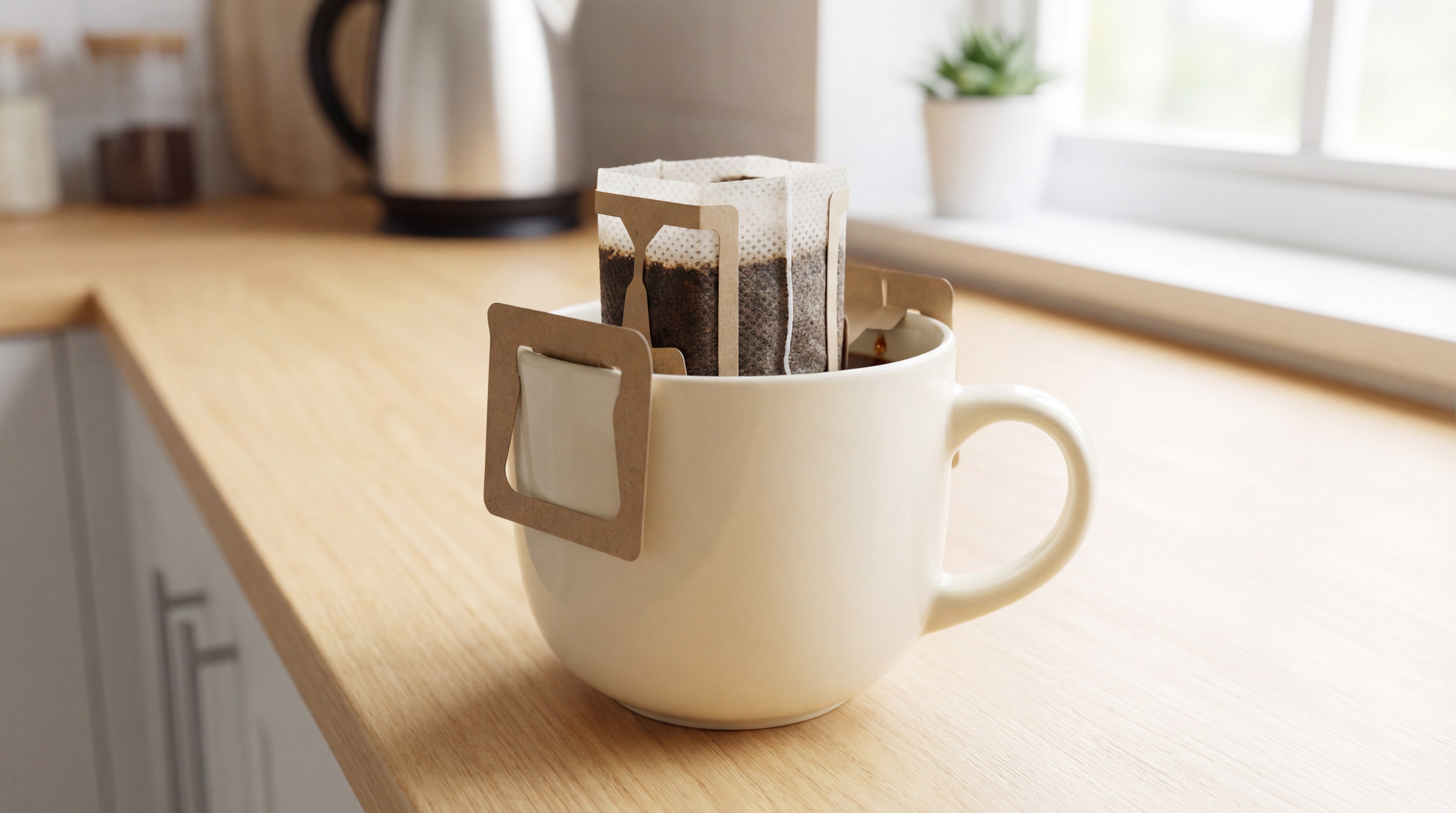
The core of drip coffee trends 2026 centers on the radical transition from dual-ear filters to streamlined, eco-friendly single-ear formats that prioritize both speed and specialty-grade extraction. You know that frantic feeling when you’re rushing for a flight but refuse to settle for subpar instant coffee? We’ve all been there, struggling with flimsy paper ears that collapse into the mug and ruin a premium roast. The industry is finally listening, and by analyzing drip coffee trends 2026, we can see a future where high-tech automation meets artisan quality.
How is the single-ear design leading drip coffee trends 2026?
The single-ear design is leading drip coffee trends 2026 by offering a more stable, universal fit for various cup sizes while reducing material waste. This shift represents a move toward structural efficiency that doesn’t compromise the brewing surface area.
Why is stability the new priority?
You might wonder if one ear is actually better than two for your morning routine. The truth is, the new reinforced single-ear hooks are engineered to grip the rim tighter than ever before.
High-tension non-woven materials
Wide-mouth mug compatibility
Anti-topple structural ribs
It gets better. These designs allow for a deeper immersion of the coffee grounds, ensuring every drop is saturated.
Can single-ear designs improve extraction?
Think about how often your current drip bag sits too high, leaving half the grounds dry. By centering the weight, the single-ear format creates a natural “V” shape that guides water more effectively through the center of the coffee bed.
Improved water flow dynamics
Consistent contact time
Reduced bypass at the edges
Key Takeaway: Moving to a single-ear format means fewer spills and a more professional extraction for you.
Feature
Dual-Ear (Old)
Single-Ear (2026)
Cup Stability
Moderate
High
Material Waste
Standard
15% Less
Flow Control
Basic
Precision
The data confirms that structural stability is the primary driver for this design evolution in the specialty market.
Why does minimalist packaging define drip coffee trends 2026?
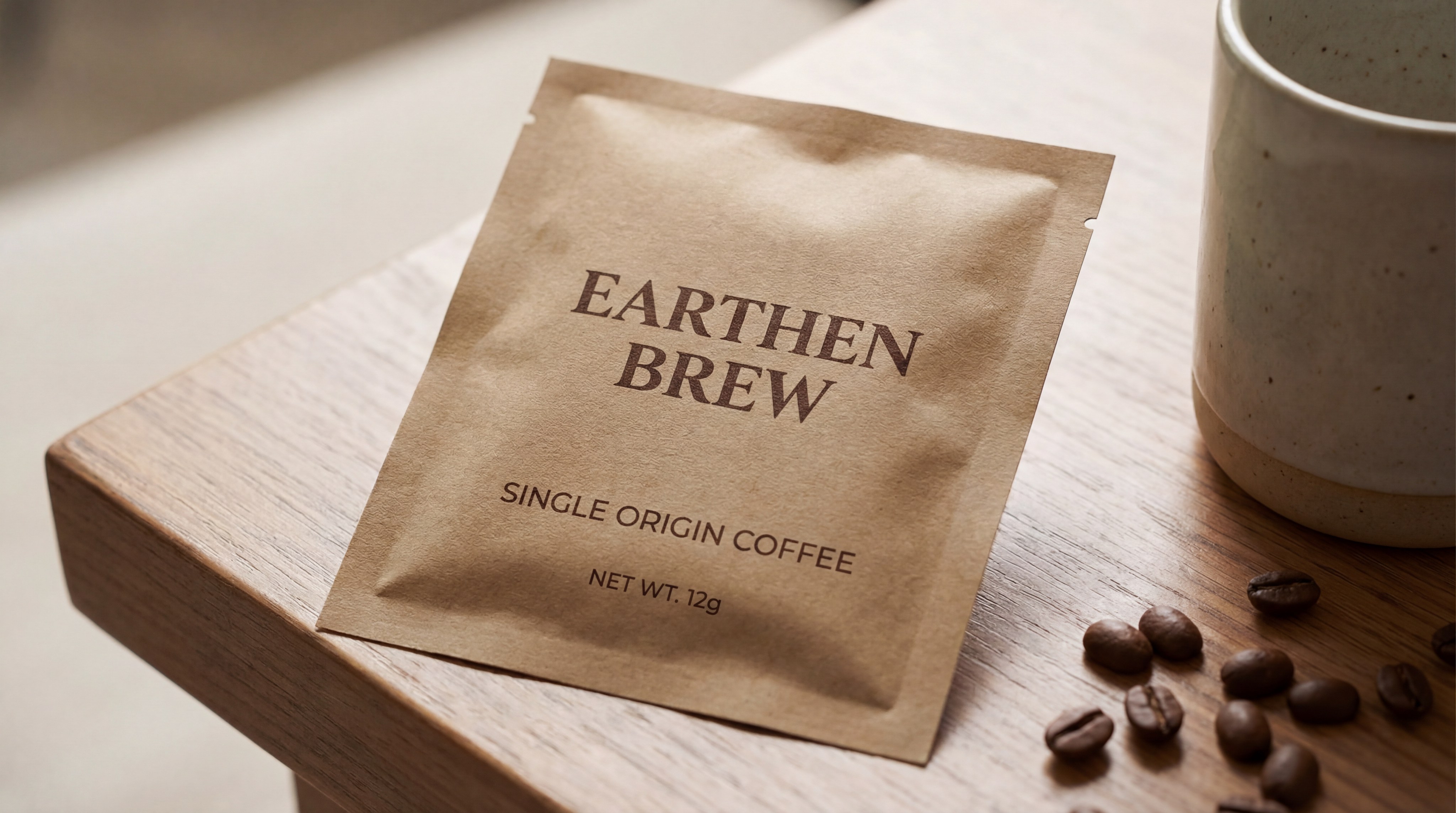
Minimalist packaging defines drip coffee trends 2026 because consumers are demanding less plastic and more transparent, honest design. It’s no longer about flashy colors; it’s about the quality of the coffee inside being reflected by the clean lines on the outside.
How does “less” become “more”?
Have you noticed how the most premium brands are stripping away the noise from their sachets? Modern packaging focuses on the essential information that matters to a true coffee lover.
Origin-forward typography
Matte, earth-toned finishes
Tactile, recycled textures
Here’s the deal: minimalist doesn’t mean “cheap”—it actually requires higher-quality materials to look that good.
Is clear labeling a trend?
Want to know exactly what you’re drinking without reading a novel on the back? 2026 designs use icons and bold data points to tell the story of the roast in three seconds or less.
Bold roast-level indicators
Visual flavor profile wheels
Quick-scan QR codes for sourcing
Key Takeaway: Minimalist design helps you make faster, more informed choices while looking great on your counter.
Aspect
2024 Design
2026 Trend
Visual Style
Busy/Graphic
Clean/Minimal
Info Priority
Branding
Bean Origin
Finish Type
Glossy Plastic
Matte Compostable
This shift proves that aesthetics are becoming as functional as the brewing technology itself.
Will AI automation revolutionize drip coffee trends 2026?
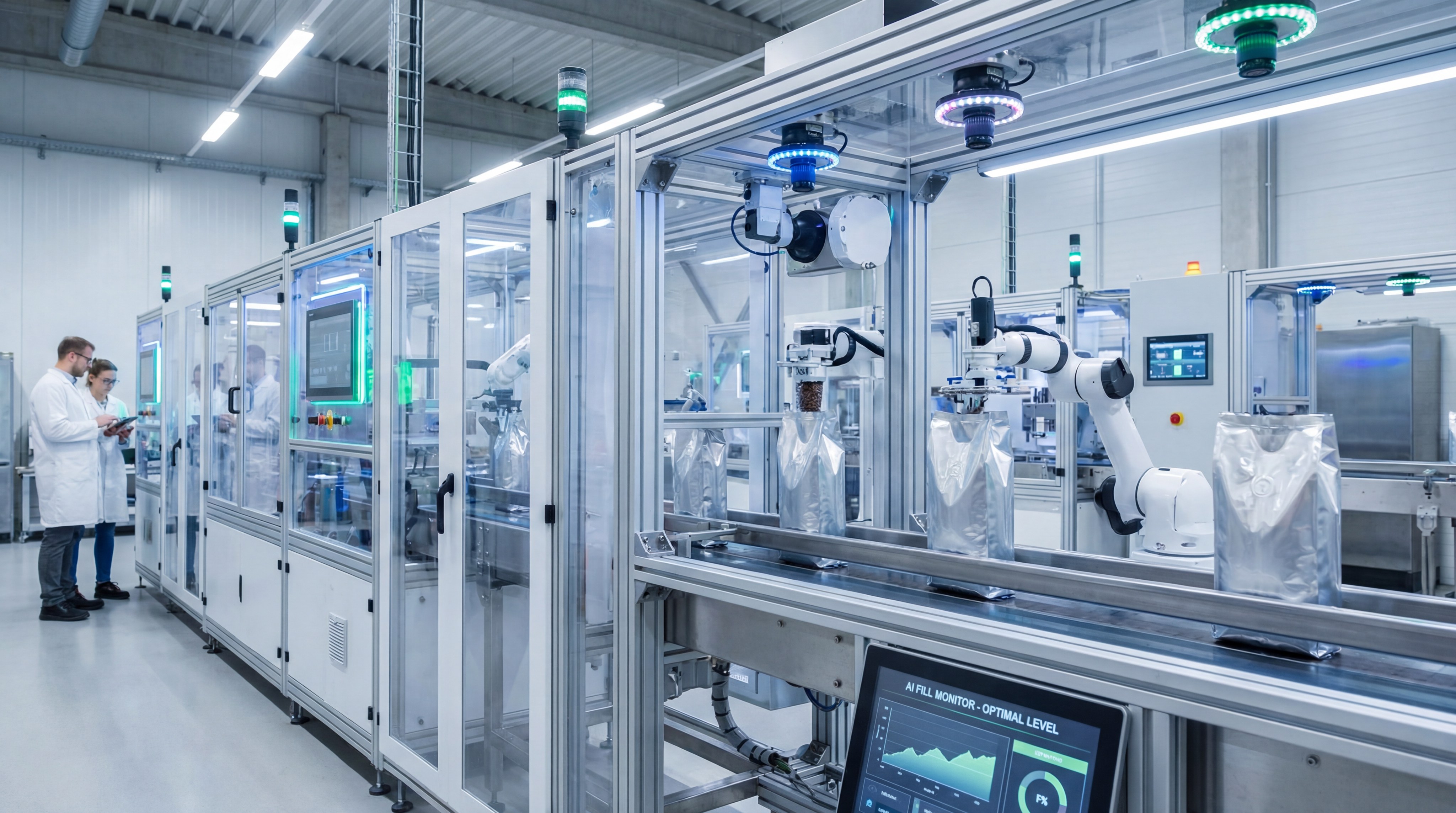
AI automation will revolutionize drip coffee trends 2026 by allowing packaging machines to self-correct for humidity and bean density in real-time. This level of precision ensures that every single sachet contains the exact grammage required for a perfect extraction ratio.
Can machines learn to pack better?
Imagine a machine that knows when a roast is slightly oilier and adjusts its filling speed to prevent clogging. That is exactly what we are seeing with the latest integration of neural networks in factory lines.
Real-time density sensing
Auto-calibration of vibration
Predictive maintenance alerts
Believe me, this isn’t science fiction—it’s how the industry is scaling specialty quality.
How does AI reduce waste?
Do you hate seeing coffee dust wasted in the packaging process? Smart sensors now track micro-particles to ensure that every milligram of specialty coffee ends up in the bag, not on the floor.
Zero-waste dosing systems
Adaptive sealing temperature
Automatic reject of under-filled bags
Key Takeaway: AI automation means you get a more consistent, high-quality cup every time you tear open a sachet.
Metric
Manual/Standard
AI-Driven (2026)
Dosing Accuracy
±0.5g
±0.1g
Downtime
Reactive
Predictive
Waste Rate
3-5%
<0.5%
Higher precision in the factory directly translates to a more reliable flavor profile in your mug.
How do eco-materials impact drip coffee trends 2026?
Eco-materials impact drip coffee trends 2026 by making the entire brewing cycle guilt-free and home-compostable. We are seeing a massive departure from traditional multi-layer laminates toward mono-materials that break down in months, not centuries.
Are compostable bags finally good?
You’ve probably tried “eco” filters before that tasted like wet cardboard, right? The 2026 generation of corn-starch based non-wovens are flavor-neutral and exceptionally durable under heat.
PLA (Polylactic Acid) fibers
Water-based ink printing
Plastic-free barrier coatings
The best part? These materials still keep your coffee fresh for up to 12 months.
Why is mono-material important?
Ever tried to recycle a coffee bag only to find out it’s a mix of metal and plastic? True sustainability in 2026 means using one single type of material for the outer sachet and the inner filter.
Easier consumer recycling
Lower carbon footprint in production
Reduced chemical leaching
Key Takeaway: Eco-friendly materials protect the planet without ruining the taste of your expensive specialty beans.
Material
Traditional
2026 Eco-Focus
Filter Type
Paper/Plastic mix
Pure PLA Fiber
Outer Sachet
Aluminum Foil
High-Barrier Paper
Disposal
Landfill
Home Compost
Choosing these brands allows you to enjoy convenience while staying aligned with your environmental values.
Are smart sensors reshaping drip coffee trends 2026?
Smart sensors are reshaping drip coffee trends 2026 by embedding time-temperature indicators directly into the outer packaging. This tech lets you know if the coffee has been exposed to extreme heat during shipping, which could have degraded the delicate aromatics.
Can a bag tell you it’s fresh?
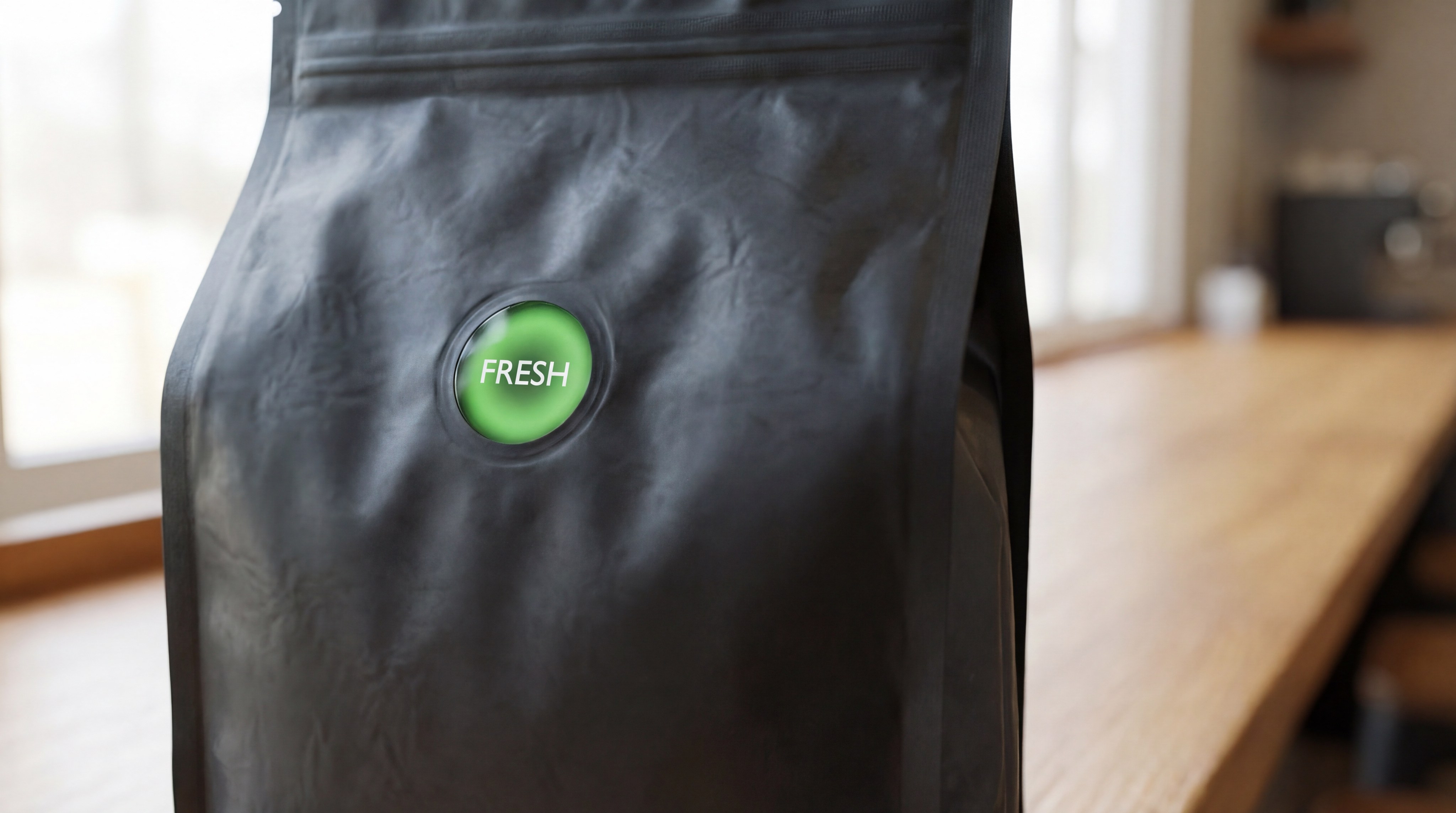
Have you ever wondered if that “roasted on” date is the whole story? New “smart ink” technology changes color if the internal oxygen levels rise above a certain threshold.
Color-coded freshness windows
NFC tags for roast data
Heat-sensitive outer labels
It gets better: you can scan the bag with your phone to see the exact humidity levels inside the pack.
How do sensors help the brewer?
What if the bag told you the optimal water temperature for that specific roast? Some 2026 packaging includes a thermal strip that changes color when your water reaches the perfect 93°C (200°F).
Built-in brew timers
Temperature-active graphics
Freshness-verification seals
Key Takeaway: Smart sensors take the guesswork out of brewing, ensuring you never drink a stale cup again.
Sensor Type
Function
Benefit
O2 Indicator
Checks seal integrity
Guarantees freshness
Thermal Strip
Measures water heat
Prevents scalding
NFC Tag
Digital storytelling
Proves bean origin
Integrating sensors turns a simple sachet into a high-tech brewing assistant for your kitchen.
Can precision dosing influence drip coffee trends 2026?
Precision dosing will influence drip coffee trends 2026 by standardizing the “Golden Ratio” across all portable formats. By moving toward ultra-accurate weighing systems, brands can guarantee that 12.5g means exactly 12.5g, every single time.
Why does a half-gram matter?
You might think a tiny bit of coffee wouldn’t change the taste, but in a small drip bag, it’s the difference between “rich” and “watery.” Precision dosing is the secret weapon for specialty roasters entering the portable market.
Multi-head electronic scales
Vibration-controlled chutes
Anti-static filling tubes
Think about it: consistency is what separates a coffee enthusiast from a casual drinker.
Is dosing speed improving?
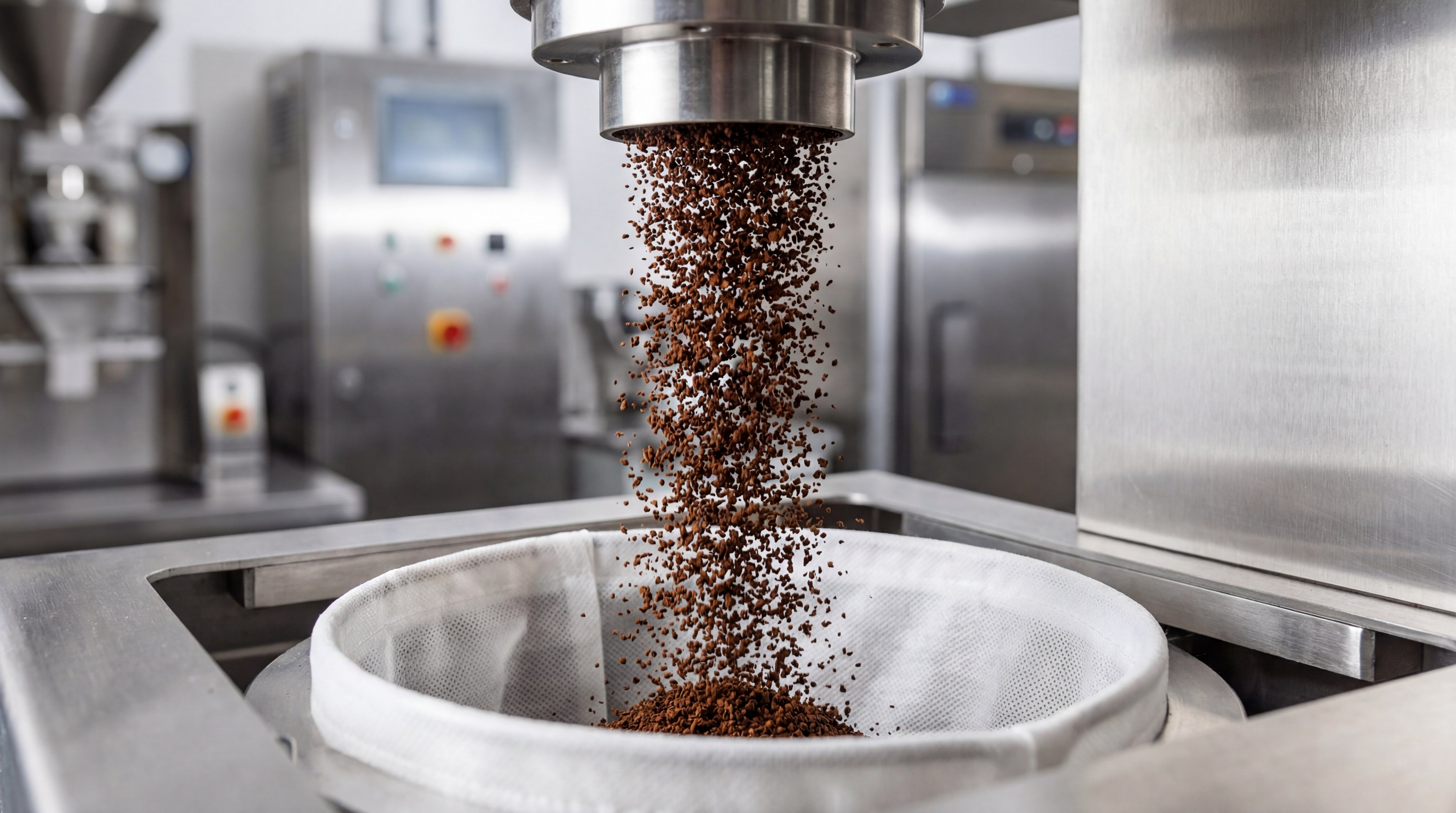
Can high-speed machines maintain this level of accuracy without slowing down production? The latest 2026 machinery uses vacuum-assisted dosing to pull coffee into the bag at lightning speeds while maintaining weight integrity.
90+ bags per minute
Zero-drift weight tracking
Instant-stop auger fillers
Key Takeaway: Precision dosing ensures that the flavor profile the roaster intended is exactly what you experience.
Machine Type
Dosing Method
Precision Level
Volumetric
Cup Measurement
Low (±1.0g)
Electronic
Load Cell
High (±0.2g)
2026 Hybrid
AI-Load Cell
Ultra (±0.05g)
This level of detail ensures that your subscription coffee tastes consistent from the first bag to the last.
Why is nitrogen flushing key to drip coffee trends 2026?
Nitrogen flushing is key to drip coffee trends 2026 because it is the only way to keep ground coffee tasting “just-roasted” for months. As portable coffee goes more global, the time between the factory and your cup increases, making oxygen the enemy.
How does nitrogen preserve aroma?
Do you know that incredible smell when you first open a bag of coffee? Nitrogen flushing replaces the oxygen in the sachet, locking those volatile aromatic compounds inside the grounds.
Residual oxygen below 1%
MAP (Modified Atmosphere Packaging)
Dual-stage gas injection
But there’s a catch: nitrogen only works if the sachet material provides a true high-barrier seal against the atmosphere.
Is the technology getting better?
In 2026, we are seeing “micro-flushing” where nitrogen is injected directly into the filter bag before the outer sachet is even sealed. This ensures that no oxygen is trapped within the coffee bed itself.
Inline oxygen analyzers
High-purity gas generators
Vacuum-flush-seal sequences
Key Takeaway: Nitrogen flushing means you can stock up on your favorite drip bags without worrying about them going stale.
Method
Oxygen Level
Freshness Life
Standard Seal
~20%
2 Weeks
Basic Flush
2-5%
6 Months
2026 Pro Flush
<0.8%
18 Months
This preservation technology is the bridge that allows specialty coffee to travel across the globe.
Does ultrasonic sealing improve drip coffee trends 2026?
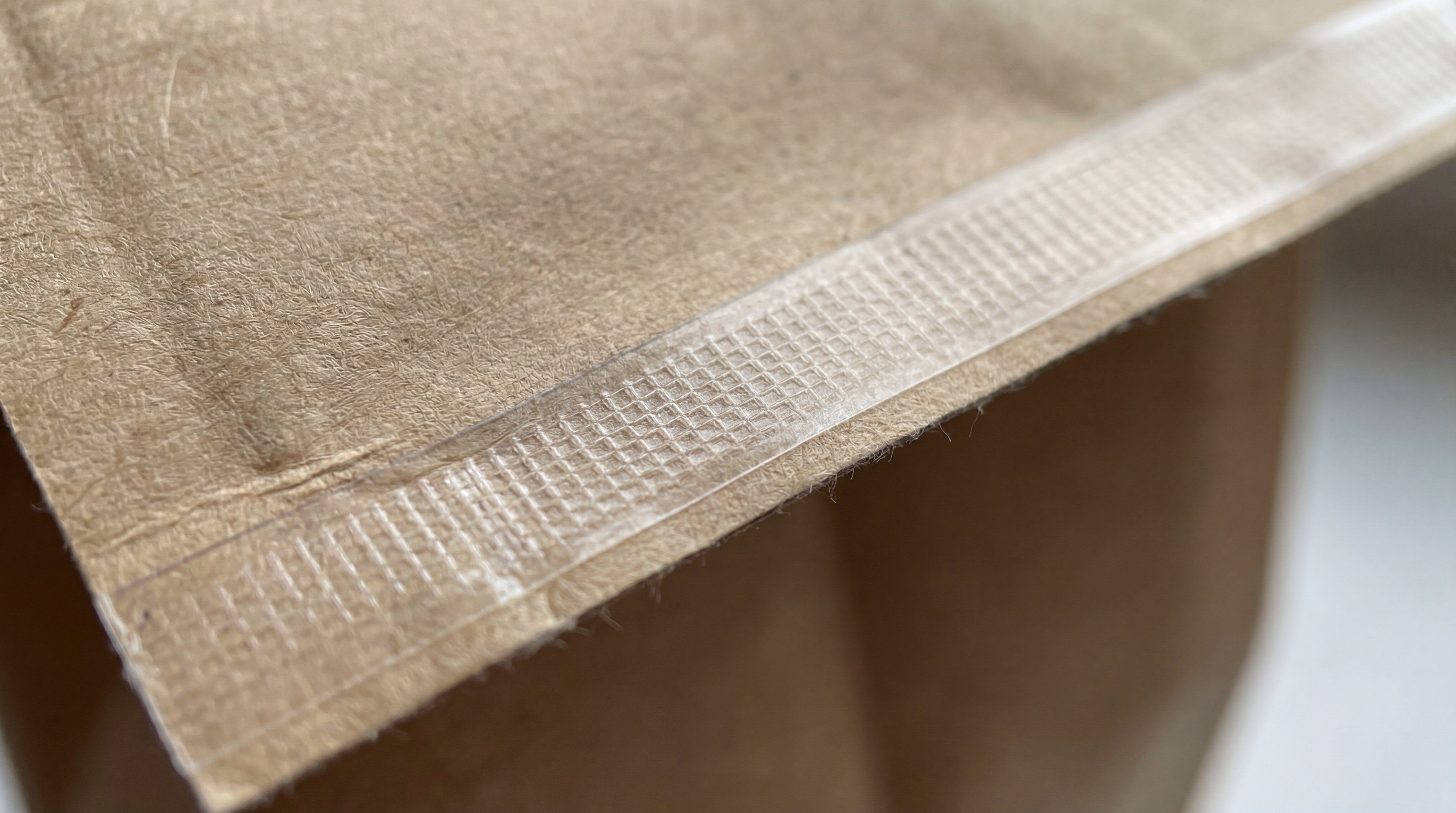
Ultrasonic sealing improves drip coffee trends 2026 by providing a cleaner, stronger, and more aesthetic bond without using heat that could damage the coffee. This technology uses high-frequency vibrations to melt the material together at the molecular level.
Why is cold sealing better?
Have you ever noticed a “burnt plastic” smell when opening a coffee bag? Traditional heat sealers can singe the edges of the filter, but ultrasonic sealing stays cool to the touch.
Precision-targeted energy
Instantaneous bonding
No warm-up time required
The best part? It also works through coffee dust, which usually ruins a traditional heat seal.
Can it create prettier bags?
Want your coffee to look as good as it tastes? Ultrasonic seals are much narrower and more precise, allowing for more space inside the bag for the actual coffee.
Slimmer seal margins
Embossed brand patterns
Hermetic leak-proof bonds
Key Takeaway: Ultrasonic sealing gives you a safer, cleaner product that is less likely to leak in your bag.
Seal Type
Width
Heat Transfer
Heat Seal
5-10mm
High
Ultrasonic
1-3mm
Zero
2026 Integrated
Variable
Minimal
This technology represents a major leap in both the safety and the visual appeal of coffee packaging.
Is specialty coffee driving drip coffee trends 2026?
Specialty coffee is driving drip coffee trends 2026 by demanding that portable formats handle high-elevation, light-roast beans with the same respect as a professional pour-over. We are seeing a move away from dark, oily blends toward nuanced, single-origin offerings.
Why the shift to light roasts?
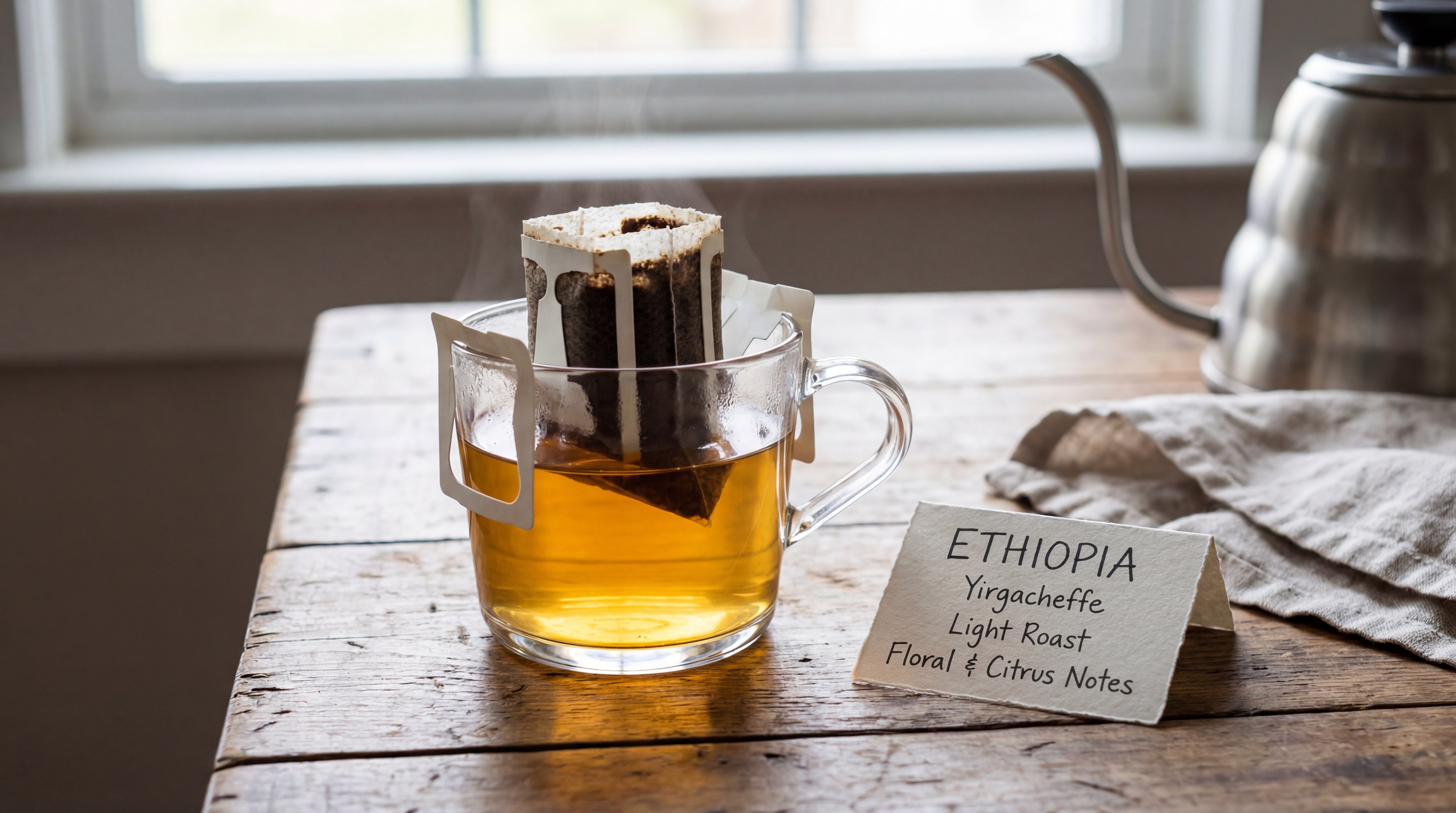
You might think drip bags are only for “strong” coffee, but the new 2026 filter papers are designed for high-clarity light roasts. These filters allow the floral and citrus notes of a Gesha or Yirgacheffe to shine through.
Variable porosity filters
Slow-drip flow restrictors
Larger bag volumes for 15g doses
Believe it or not, some of the world’s top baristas are now consulting on drip bag designs.
Is roast-to-pack time shrinking?
Does it matter if the coffee was roasted yesterday or last month? In 2026, “Hyper-Fresh” logistics mean coffee is roasted, ground, and nitrogen-sealed within 24 hours to preserve peak acidity.
Small-batch automated lines
On-demand packaging units
Localized fulfillment centers
Key Takeaway: You no longer have to sacrifice the “origin character” of your coffee just because you’re traveling.
Coffee Grade
Traditional Drip
2026 Trend
Bean Quality
Commodity/Dark
Specialty/Light
Grind Precision
Uniform/Coarse
Optimized/Multi-modal
Taste Profile
Bitter/Strong
Balanced/Nuanced
The blurring of lines between “instant convenience” and “specialty ritual” is the hallmark of the coming year.
How will data analytics shape drip coffee trends 2026?
Data analytics will shape drip coffee trends 2026 by allowing manufacturers to track consumer brewing habits through smart-connected packaging. This loop creates a system where the next generation of bags is designed based on how you actually use them.
Are bags becoming “smart”?
What if your coffee bag told the manufacturer that you prefer a slower drip time? By analyzing scan data from QR codes, brands can adjust the filter paper density in their next production run.
Consumer feedback loops
Usage-location mapping
Flavor preference tracking
Here’s the kicker: your data is actually helping make your favorite coffee better.
Can data prevent supply shocks?
Have you noticed prices fluctuating lately? AI-driven analytics help roasters predict demand, ensuring they buy enough green beans at the right time to keep your prices stable.
Predictive inventory management
Dynamic shipping routes
Real-time cost optimization
Key Takeaway: Behind the scenes, data is working to ensure your favorite blend is always in stock and fairly priced.
Data Point
Use Case
Result for You
Brew Time Stats
Filter redesign
Better extraction
Popular Regions
Sourcing focus
More variety
Package Scans
Freshness tracking
Guaranteed quality
The future is an ecosystem where your cup of coffee is part of a much larger, smarter network.
Conclusion
The evolution of drip coffee trends 2026 is moving toward a more sustainable, high-tech, and specialty-focused future. We have addressed the pain points of messy dual-ear filters, stale grounds, and environmental guilt by introducing single-ear designs, nitrogen flushing, and compostable materials. At NewIdea Pack, we are dedicated to leading this shift by providing the innovative machinery that makes these trends possible.
Whether you are looking to upgrade your production line or enter the specialty market, we can help you scale with precision and style. Please contact us today to discuss how our ultrasonic sealing and AI-driven dosing solutions can transform your business. We don’t just build machines; we build the future of the global coffee experience.
FAQ
Can I use these new single-ear bags with wide travel mugs? Yes, the 2026 single-ear designs are specifically engineered with high-tension materials to stretch and grip wider rims securely. These reinforced hooks prevent the bag from slipping into the water during brewing.
What’s the best way to store these drip bags to keep them fresh? Keep them in a cool, dark place, even though nitrogen flushing and high-barrier sachets provide excellent protection. Because they are hermetically sealed, they are much more resilient than standard bags of beans.
How do I know if the filter material is actually compostable? Check for the certified home-compostable logo on the minimalist outer sachet. Most premium brands now use PLA (Polylactic Acid) derived from corn starch, which is both flavor-neutral and fully biodegradable.
Can I get specialty-grade flavor from a portable drip bag? Absolutely, because modern precision dosing and nitrogen flushing preserve the delicate volatile compounds of light-roast beans. The new variable-porosity filters ensure that high-elevation coffees extract with the clarity of a professional dripper.
What is the shelf life of these 2026-style drip bags? You can expect a peak freshness window of 12 to 18 months. This is possible thanks to advanced nitrogen flushing technology that reduces residual oxygen to less than 1%, effectively stopping the oxidation process.
Sales Pitch Component
Whether you are looking to upgrade your production line or enter the specialty market, we can help you scale with precision and style