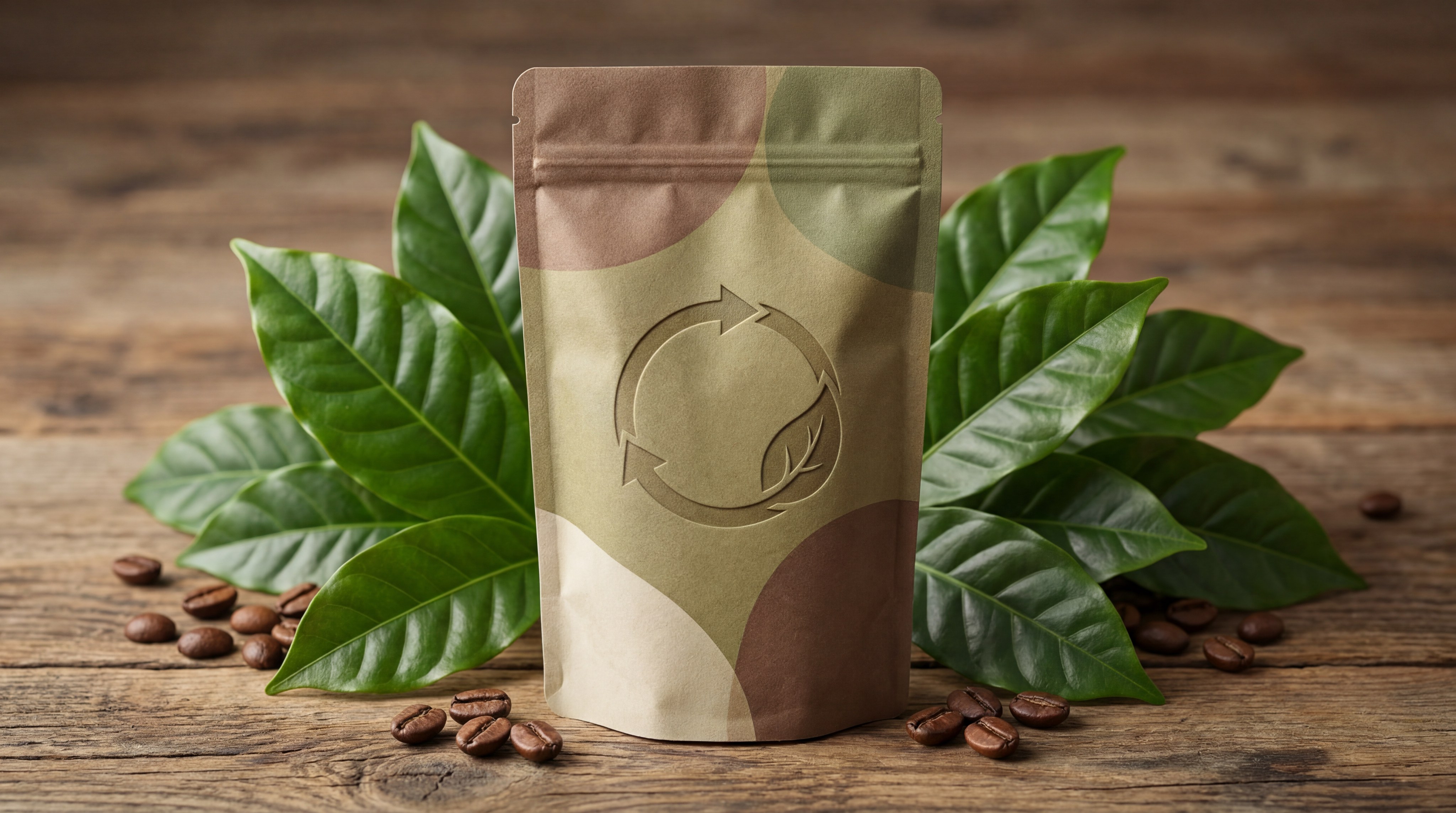
What Makes High Quality UV protection packaging Essential for Freshness
2026年2月10日 by newideapack
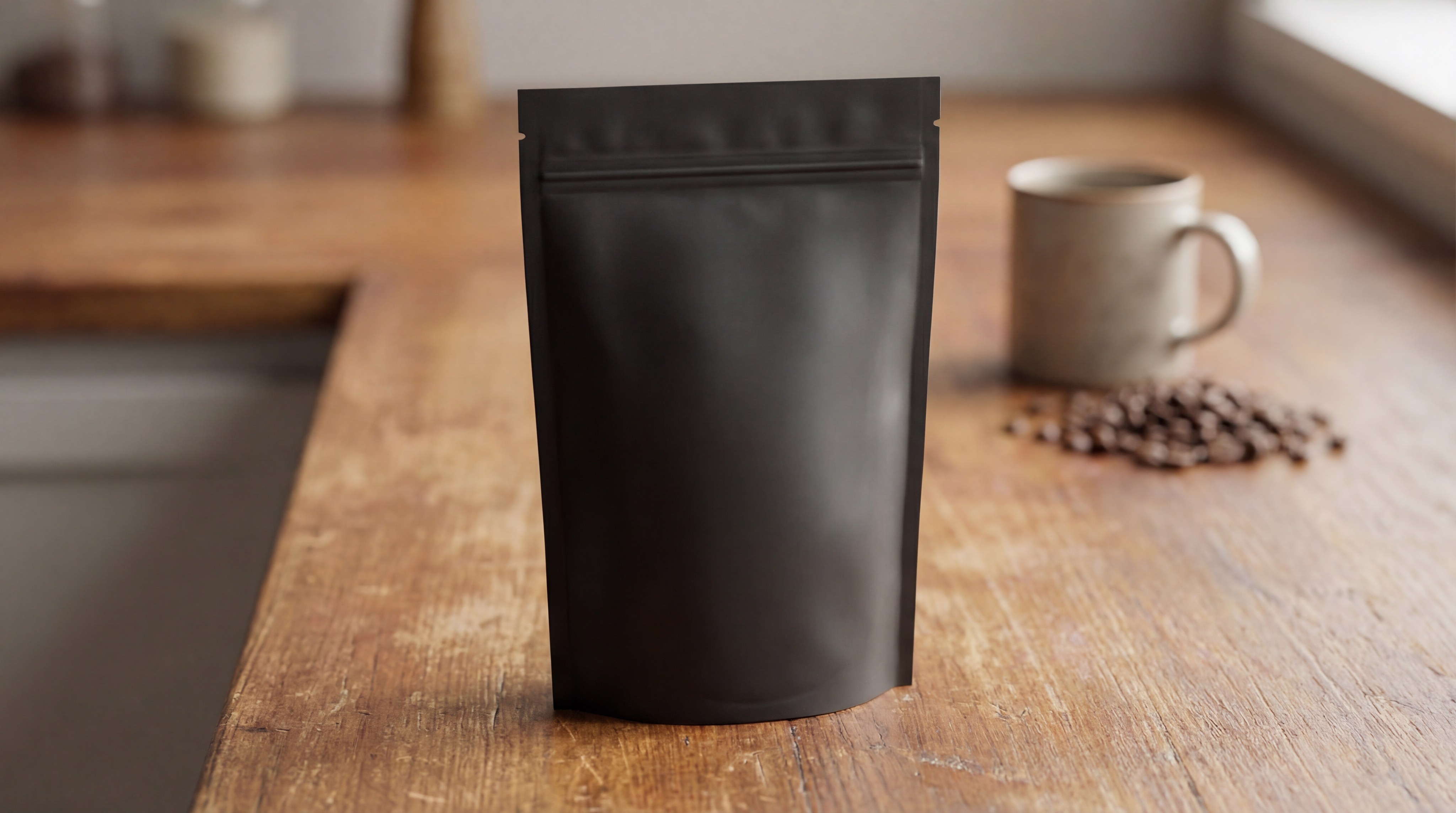
Choosing opaque packaging is the most effective way to prevent coffee spoilage caused by light-induced oxidation and flavor degradation. You might source the finest beans in the world, but if your bags let in sunlight or artificial rays, those delicate oils will turn rancid before the customer even takes their first sip. This leads to a stale, metallic taste that ruins your brand’s reputation and wastes your investment. By implementing high-quality UV protection packaging, you create a total light barrier that keeps your coffee as fresh as the day it was roasted.
Why Is UV Protection Packaging Crucial for Coffee?
UV protection packaging is crucial because light exposure triggers photodegradation, which destroys the volatile aromatic compounds and oils that give coffee its unique flavor profile. Ultraviolet rays penetrate standard plastic films, causing lipids to oxidize and develop off-putting flavors. Without a solid barrier, your premium beans can lose their sensory complexity in just a matter of days. Specialty roasters at newideapack recognize that UV protection packaging is the only defense against this invisible enemy.
How does light affect bean integrity?
Light acts as a catalyst for chemical reactions that break down the molecular structure of coffee oils. Once these oils are compromised, the beans begin to smell flat and lose their characteristic bloom.
It’s a serious issue.
UV rays excite oxygen molecules within the bean.
Photo-oxidation accelerates the development of rancidity.
Aromatic oils evaporate much faster under bright light.
Can you see the damage immediately?
While the beans might look the same to the naked eye, the damage is happening at a molecular level from the moment they are exposed. By the time the color fades, the flavor has long since vanished.
Believe it or not:
Coffee exposed to light for 24 hours shows measurable flavor loss.
Fluorescent store lighting is just as damaging as sunlight.
Dark roasts are even more susceptible due to surface oils.
Key Takeaway: Using a high-barrier material prevents the photo-oxidation process that turns expensive coffee into a stale, unmarketable product.
Problem
Cause
Prevention Method
Rancid Oils
UV Exposure
Opaque UV Packaging
Faded Color
Visible Light
Light-Blocking Films
Lost Aroma
Photodegradation
Foil-Lined Barriers
Effective light protection ensures that every bean maintains its chemical stability during transit and retail display.
How Does UV Protection Packaging Prevent Spoilage?
UV protection packaging prevents spoilage by creating a physical shield that blocks the entire spectrum of harmful light waves from reaching the product. This dark environment stops the energy transfer that typically initiates the oxidation of coffee fats and acids. By maintaining a 100% opaque barrier, the packaging ensures that the biological and chemical aging of the coffee is significantly slowed. Most professional UV protection packaging solutions integrate multiple layers to achieve this complete blackout effect.
Does opacity guarantee freshness?
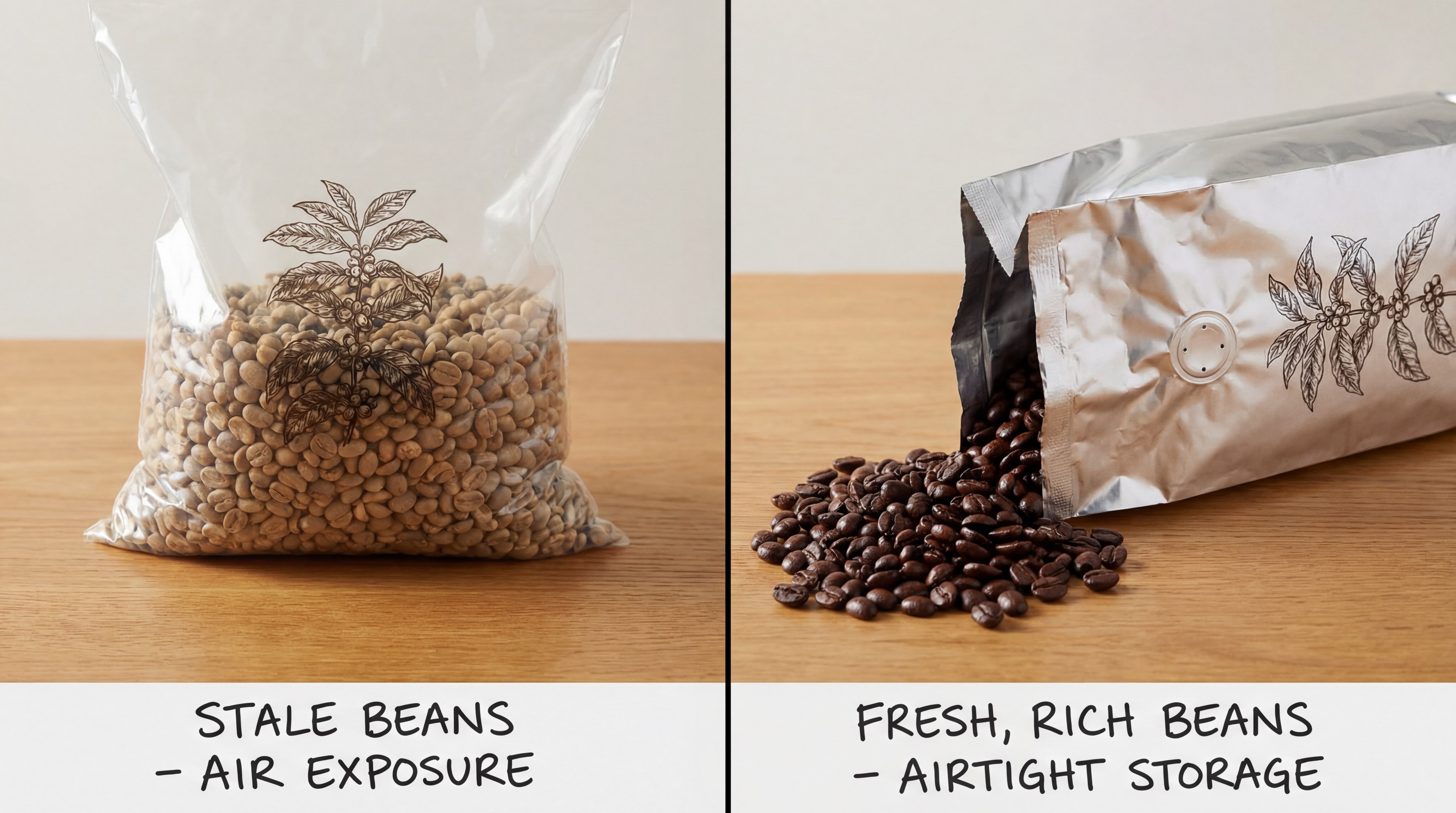
Total opacity is a major factor, but it works best when paired with an airtight seal and a degassing valve. While light protection stops photodegradation, the valve handles the carbon dioxide buildup common in fresh roasts.
Here is the secret:
Multi-layer laminates provide structural strength and light blocking.
Metallized layers reflect UV rays away from the contents.
Opaque surfaces prevent “skunking” under grocery store LEDs.
What happens if the bag is translucent?
Translucent bags might let customers see the beans, but they allow enough light to enter and start the staling process. Even a small amount of light transmission can reduce the overall quality of the brew.
Think about this:
Sunlight penetrates clear plastic in seconds.
Partial barriers only delay the inevitable flavor loss.
Consumer trust is built on the final taste, not the bag’s transparency.
Key Takeaway: A 100% opaque barrier is the gold standard for preserving the delicate lipid profile of specialty coffee beans.
Packaging Type
Light Transmission
Protection Level
Clear Plastic
High
Low
Translucent
Moderate
Medium
Opaque Foil
Zero
High
Choosing a total light block is the most reliable way to guarantee that your customers experience the full flavor profile you intended.
Which Materials Offer Best UV Protection Packaging?
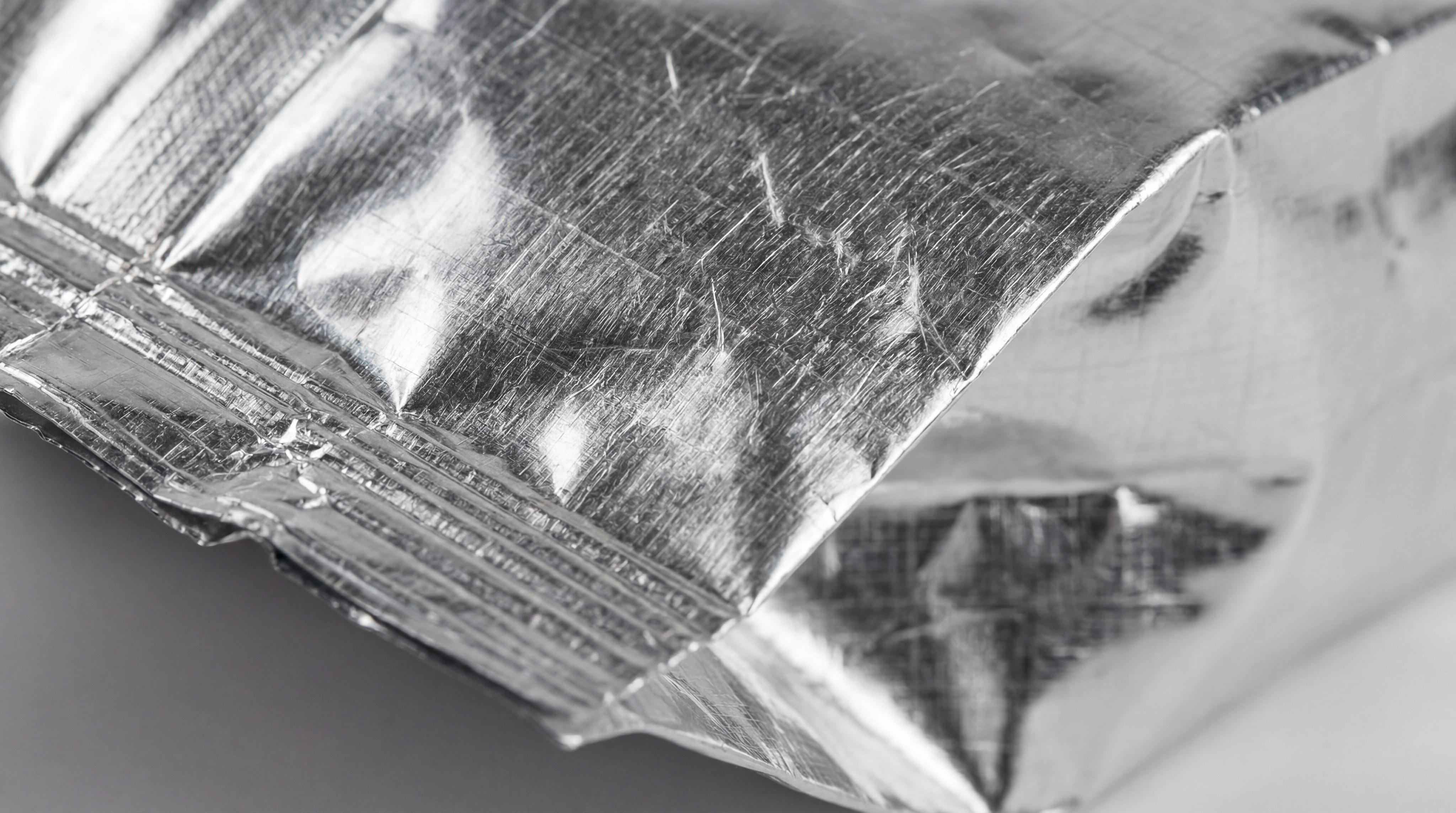
Aluminum foil and high-density metallized films are the premier materials for UV protection packaging because they provide a complete barrier to light, moisture, and oxygen. These materials are typically sandwiched between layers of polyethylene (PE) and polyester (PET) for durability and printability. Foil-lined bags are particularly effective as they are naturally impermeable to the UV spectrum. Roasters often rely on these UV protection packaging materials to protect their high-value harvests.
Is metallized film better than pure foil?
Metallized films are often preferred for modern packaging because they offer high UV resistance while remaining more flexible and cost-effective than pure aluminum. They provide an excellent “dead fold” and are easier to process on automatic machinery.
Consider the benefits:
VMPET (Vacuum Metallized Polyester) blocks over 98% of light.
It is significantly lighter than thick foil layers.
The material provides a premium metallic look for branding.
Are there sustainable opaque alternatives?
New developments in eco-friendly packaging have introduced compostable and recyclable films that include special pigments for high opacity. You can now protect your coffee from light without compromising your environmental values.
The best part?
Kraft paper bags with bio-linings offer decent light protection.
High-barrier compostable films are becoming more accessible.
Pigmented bioplastics can achieve near-total opacity.
Key Takeaway: Selecting a material with a metallized or foil layer provides the highest level of protection against the damaging effects of sunlight.
Material
UV Barrier
Flexibility
Recyclability
Aluminum Foil
100%
Low
Moderate
Metallized PET
99%
High
Low
Opaque Bioplastic
95%
High
High
High-performance materials are an essential investment for any roaster looking to maintain quality over long-distance shipping.
Can UV Protection Packaging Extend Coffee Freshness?
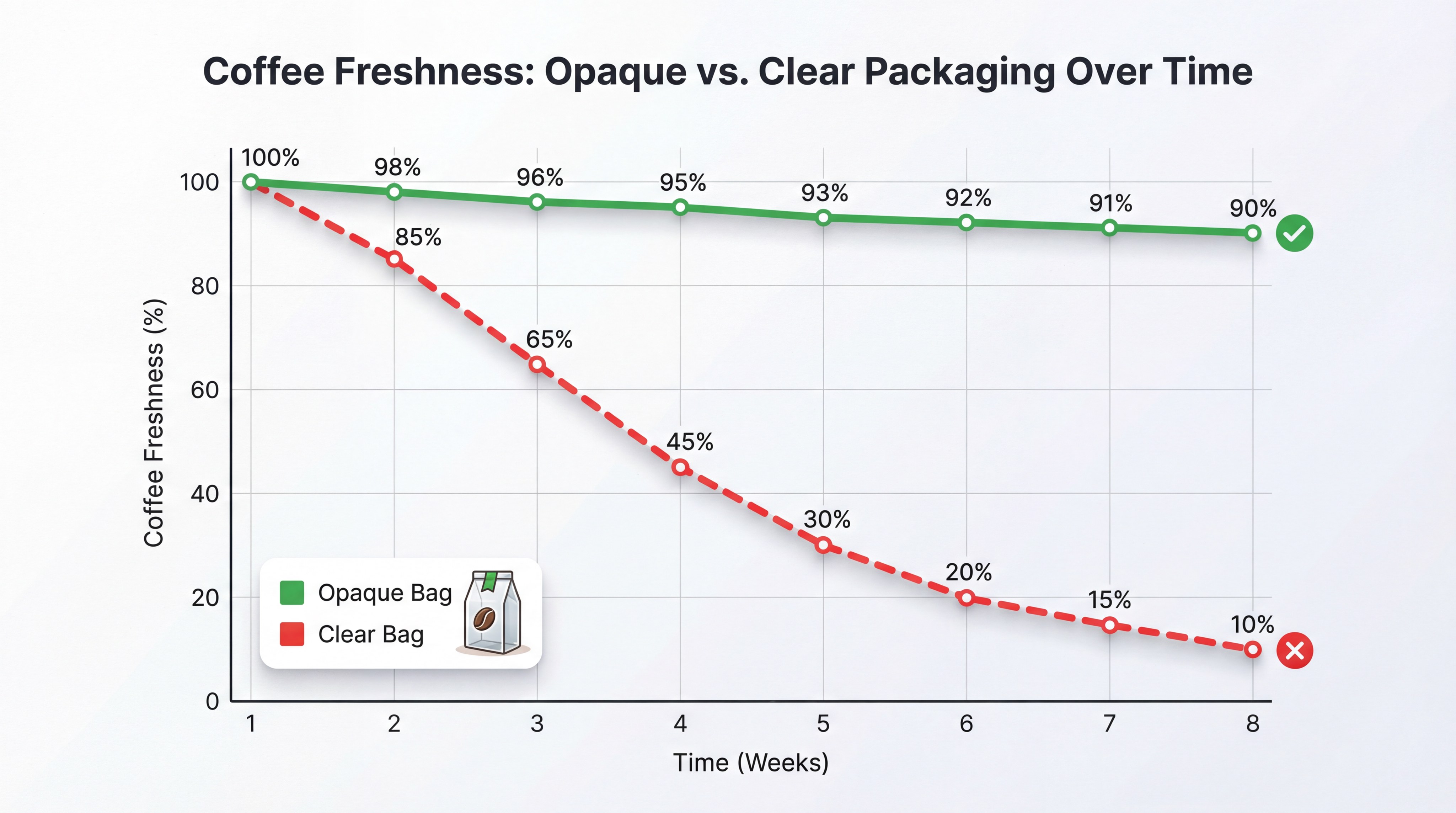
Yes, UV protection packaging can extend the shelf life of roasted coffee by up to 300% compared to standard, non-opaque storage methods. By eliminating light as a variable, you allow the natural preservation qualities of the beans to remain intact for months instead of weeks. This extension is vital for roasters who distribute their products through third-party retailers or international shipping. High-quality UV protection packaging ensures that the coffee tastes “fresh-off-the-roaster” long after it leaves your facility.
How does this affect ground coffee?
Ground coffee has a much higher surface area, making it even more susceptible to light-induced spoilage than whole beans. Opaque packaging is non-negotiable if you want to sell pre-ground formats without rapid quality loss.
It’s a simple fact:
Ground coffee oxidizes nearly five times faster than whole beans.
UV protection keeps delicate oils from going rancid in the bag.
Freshness retention directly impacts your repeat purchase rate.
What is the role of nitrogen flushing?
When you combine UV protection with nitrogen flushing, you remove the two biggest threats to freshness: light and oxygen. This dual approach creates a modified atmosphere that virtually halts the spoilage process.
But wait, there’s more:
Nitrogen prevents aerobic oxidation of the beans.
Opaque foil stops the light-triggered photo-oxidation.
Together, they preserve the “roast aroma” for over six months.
Key Takeaway: Protecting your coffee from light rays is the most effective way to ensure a long retail life and happy customers.
Storage Method
Freshness Duration
Spoilage Risk
Clear Bag (Ambient)
1-2 Weeks
Very High
Opaque Bag (Ambient)
4-8 Weeks
Moderate
Opaque + Nitrogen
6-12 Months
Very Low
Extending freshness allows you to scale your business and reach customers in distant geographic markets without quality concerns.
Why Choose Opaque UV Protection Packaging Bags?
Choosing opaque bags for UV protection packaging is the most logical choice because it offers the highest level of security for the product’s chemical integrity. Opaque materials prevent “light-strike,” a phenomenon where photons interact with oils to create sulfur-like or bitter flavors. Beyond protection, these bags also offer a premium look that conveys quality and professional care to the consumer. Many roasters find that UV protection packaging in matte or textured finishes also enhances the tactile experience of the product.
Why avoid clear window designs?
While clear windows allow customers to see the bean quality, they create a major vulnerability where light can enter and damage the coffee. This trade-off often leads to a “pretty” bag filled with stale, low-quality coffee.
Let’s face it:
Windows compromise the structural integrity of the UV barrier.
Beans directly behind the window spoil faster than the rest.
Quality beans don’t need to be seen to be trusted.
What are the branding benefits?
Opaque bags provide a full canvas for your brand’s artwork, storytelling, and roast details without visual interference from the beans inside. This allows for a more cohesive and professional shelf presence.
Think about it:
Bold colors stand out better on opaque surfaces.
You can use high-quality matte finishes for a luxury feel.
Opaque packaging signals to the customer that you prioritize freshness.
Key Takeaway: Opaque bags provide the best balance of aesthetic appeal and scientific protection for specialty roasted products.
Feature
Opaque Bags
Clear Bags
UV Block
100%
< 10%
Branding Space
Maximum
Limited
Shelf Life
Extended
Short
Prioritizing the internal health of your coffee through opacity will lead to better brand loyalty and fewer product returns.
Is UV Protection Packaging Vital for Ground Coffee?
UV protection packaging is absolutely vital for ground coffee because grinding exposes the internal oils and cellular structure of the bean to environmental threats. Once ground, coffee loses its natural protective shell, making it extremely vulnerable to light-accelerated oxidation. Without a total light block, the aroma of ground coffee dissipates almost instantly when exposed to store lighting. Using UV protection packaging ensures that the volatile oils remain trapped and protected within the particles. At newideapack, we emphasize that UV protection packaging is the cornerstone of successful pre-ground retail.
Why is ground coffee more fragile?
Grinding increases the surface area of the coffee by hundreds of times, providing more “targets” for light and oxygen to attack. This leads to a much faster rate of chemical decay compared to whole bean storage.
It’s simple math.
More surface area equals more sites for oxidation.
Light penetrates deep into a pile of fine grounds.
Fragility increases as the grind size gets finer.
Does the roast level matter?
Darker roasts that are ground are the most sensitive of all because the roasting process has already pushed oils to the surface. These surface oils oxidize nearly the moment they are hit by UV rays or visible light.
Keep this in mind:
Dark roast oils go rancid faster than light roast acids.
Opaque packaging is mandatory for dark-roasted espresso grinds.
UV barriers preserve the “bloom” potential of ground coffee.
Key Takeaway: Pre-ground coffee requires the maximum level of light protection to survive the retail journey without losing its soul.
Grind Type
Surface Area
Light Sensitivity
Whole Bean
Low
Moderate
Drip Grind
High
Very High
Espresso Grind
Extreme
Maximum
Protecting the surface area of your grounds through high-barrier opaque films is the only way to ensure a quality cup for the end-user.
Does UV Protection Packaging Improve Brand Value?
Yes, UV protection packaging improves brand value by ensuring a consistently high-quality taste experience that builds long-term customer trust. When a customer opens a bag of your coffee and is greeted by a powerful, fresh aroma, they associate your brand with excellence. Consistent quality is the most powerful marketing tool you have in the competitive specialty coffee market. By investing in proper barriers, you show your customers that you care enough about your product to protect it with professional-grade materials.
Do customers recognize freshness?
The modern coffee consumer is highly educated and can easily distinguish between fresh, aromatic coffee and stale, light-damaged beans. Providing a superior taste experience through better packaging leads to higher retention rates and word-of-mouth growth.
The results are clear:
Fresh coffee leads to five-star reviews and repeat orders.
Packaging that looks professional justifies a higher price point.
Customers appreciate the science behind light-blocking materials.
Can packaging prevent “brand rot”?
“Brand rot” occurs when customers repeatedly receive inconsistent or stale products, leading them to abandon your roastery for a competitor. UV-resistant packaging acts as a safeguard against this decline in brand reputation.
Don’t let this happen.
One stale bag can lose a customer forever.
Opaque bags signal “premium” before the first sip.
Consistency across the shelf builds a recognizable identity.
Key Takeaway: Your packaging is a silent salesman that either proves your commitment to quality or exposes your coffee to failure.
Branding Factor
Impact of Opaque Packaging
Customer Perception
Quality Control
Prevents light damage
Premium & Professional
Visual Identity
Full-print availability
Modern & Trustworthy
Taste Consistency
Long-term freshness
Reliable & High-Value
High-quality barriers turn your coffee into a dependable luxury that customers are proud to display in their kitchens.
How to Test Your UV Protection Packaging Quality?
You can test your UV protection packaging quality by using a simple light-transmission test or by performing sensory comparisons over a fixed period of light exposure. A light-transmission test involves holding the material up to a high-intensity lamp to see if any light passes through the film. For a more scientific approach, you can place beans in different bags under bright light for two weeks and then perform a “cupping” to detect rancidity. Professional roasters often demand lab-certified data from suppliers like newideapack to verify that their UV protection packaging meets industry standards.
What is the “lamp test”?
The lamp test is a quick way to check if your bags are truly opaque. Simply place a powerful LED flashlight inside the bag in a dark room and look for any light leaks or thin spots in the material.
It’s very easy:
Any light visible from the outside indicates a weak barrier.
Pay close attention to the seams and the degassing valve area.
Professional films should show zero light leakage at any point.
How do you perform a cupping test?
The cupping test is the ultimate way to prove the effectiveness of your barriers. Roast a single batch, divide it into a clear bag and an opaque bag, and leave both on a sunny windowsill for ten days.
The contrast will surprise you:
The clear bag coffee will taste flat, metallic, or bitter.
The opaque bag coffee should retain its original sweetness.
Use this data to justify your packaging investment to stakeholders.
Key Takeaway: Simple physical tests allow you to verify that your packaging is actually doing its job of protecting your investment.
Test Method
Difficulty
Insight Level
Light-Leak Test
Low
Immediate Pass/Fail
Sensory Cupping
Moderate
Real-world Taste Impact
Lab Spectroscopy
High
Scientific UV % Block
Regular testing ensures that your supply chain remains consistent and that your brand promise of freshness is never broken.
Who Needs Professional UV Protection Packaging Help?
Any commercial roastery intending to sell products in the retail market needs professional UV protection packaging help to ensure long-term stability and shelf life. Small-scale roasters might get by with simple paper bags for local sales, but scaling requires a more scientific approach to preservation. Professional packaging engineers can help you choose the right film thickness and material composition for your specific roast types. Working with experts ensures that your UV protection packaging is optimized for your automation equipment and brand goals.
When should you seek an expert?
You should seek help when you notice flavor inconsistencies in your retail batches or when you are planning to transition from manual filling to automatic machinery. Experts can synchronize your machine settings with high-barrier films.
The timing is vital.
Scaling to national distribution requires 6+ month shelf life.
Transitioning to VFFS machines requires specific film friction specs.
New brand launches deserve the best protection from day one.
Can machinery impact light protection?
The way a machine seals and handles the film can affect the integrity of the light barrier. If a machine creates micro-cracks in the foil layer, the UV protection is compromised, even if the bag looks perfect.
Make no mistake:
High-quality VFFS machines from newideapack protect the film’s structure.
Precision heat sealing ensures a light-tight vault for your beans.
Integrated valves must be applied correctly to maintain opacity.
Key Takeaway: Partnering with a packaging expert ensures that both your materials and your machinery are working together to preserve your coffee.
Business Stage
Packaging Need
Recommended Partner
Small Roastery
Basic Opaque Pouches
Packaging Wholesaler
Growing Brand
Semi-Auto UV Sealing
Machinery Consultant
Large Enterprise
Full VFFS + Custom Film
Professional Manufacturer
Professional guidance prevents costly mistakes and ensures your coffee arrives in the consumer’s kitchen exactly as you intended.
Where to Buy Reliable UV Protection Packaging Gear?
You can buy reliable UV protection packaging machinery and materials directly from experienced manufacturers who specialize in the unique requirements of the coffee industry. Look for suppliers that offer engineer-to-engineer connections and full traceability of their manufacturing components. A reliable partner will provide machines that are specifically designed to handle thick, high-barrier foil laminates without damaging the UV layer. Manufacturers like newideapack offer a wide range of UV protection packaging solutions, including VFFS and pre-made bag systems.
What should you look for in a supplier?
The best suppliers offer comprehensive support, from choosing the right machine to providing lifetime technical assistance. They should have a proven track record of helping coffee brands achieve stable production and freshness.
Check these points:
15+ years of experience in the packaging industry.
Certifications like CE, ISO, and SGS for quality assurance.
A willingness to customize solutions for your specific bag types.
Is global support important?
If your roastery is growing, you need a supplier that can provide parts and expertise regardless of your location. Global trust is built on a network of successful clients and reliable shipping practices.
It’s all about stability.
Look for manufacturers with clients in the USA, UK, and Australia.
Ensure they offer remote diagnostics and video training.
Reliability is more important than the initial price tag.
Key Takeaway: Buying from a specialized manufacturer guarantees that your machinery is built to protect the delicate science of your coffee.
Equipment Type
Best Use Case
Key Advantage
VFFS Machine
High-speed foil bagging
Integrated UV Sealing
Drip Bag Machine
Single-serve ultrasonic sealing
Freshness Retention
Pre-made Bag Machine
Premium zipper pouches
Maximum Brand Display
Choosing the right equipment partner is the final step in securing your coffee’s journey from the roaster to the perfect cup.
Conclusion: Secure Your Coffee’s Future Today
Protecting your roasted coffee from light exposure is not just a storage choice; it is a commitment to the quality and integrity of your brand. By choosing opaque UV protection packaging, you eliminate the threat of photo-oxidation and ensure that every customer enjoys the rich, complex flavors they expect. Whether you are a local roaster or a growing national brand, the right combination of high-barrier materials and precision machinery will define your success.
At NewIdea Pack, we deliver more than just machines—we deliver the stability and freshness your coffee deserves. Our engineering team is ready to help you design a packaging solution that shields your beans and scales your business.
FAQ
Can I use a clear bag if I store it in a dark box? Technically yes, but once the customer takes the bag home and puts it on their kitchen counter, the light protection ends. It is much safer to use opaque packaging so the coffee is protected in every environment, from the store shelf to the customer’s pantry.
What is the best material for blocking 100% of UV rays? Aluminum foil is the gold standard for light protection. It is a natural barrier that blocks all light, moisture, and oxygen, making it the most reliable choice for high-end specialty coffee that needs a long shelf life.
How do I know if my current bags are leaking light? You can perform a “flashlight test” by placing a bright light inside the bag in a dark room. If any light glows through the material or the seams, your coffee is being exposed to UV rays and is at risk of spoilage.
Is matte packaging better than glossy packaging for light protection? Both can offer excellent UV protection if they have a metallized or foil lining. Opacity is determined by the internal layers of the laminate, not the surface finish, although matte finishes are often preferred for their premium, professional look.
Does light affect whole beans as much as ground coffee? Both are affected, but ground coffee spoils much faster. Because grinding increases the surface area, more of the coffee’s oils are exposed to light energy, causing it to go stale and lose its aroma significantly quicker than whole beans.
Sales Pitch Component
Don’t let light destroy your hard work.
Contact us today to find the perfect opaque packaging solution for your roastery.