What Makes Drip Coffee Trends The Ultimate High ROI Opportunity
2025年11月7日 by newideapack
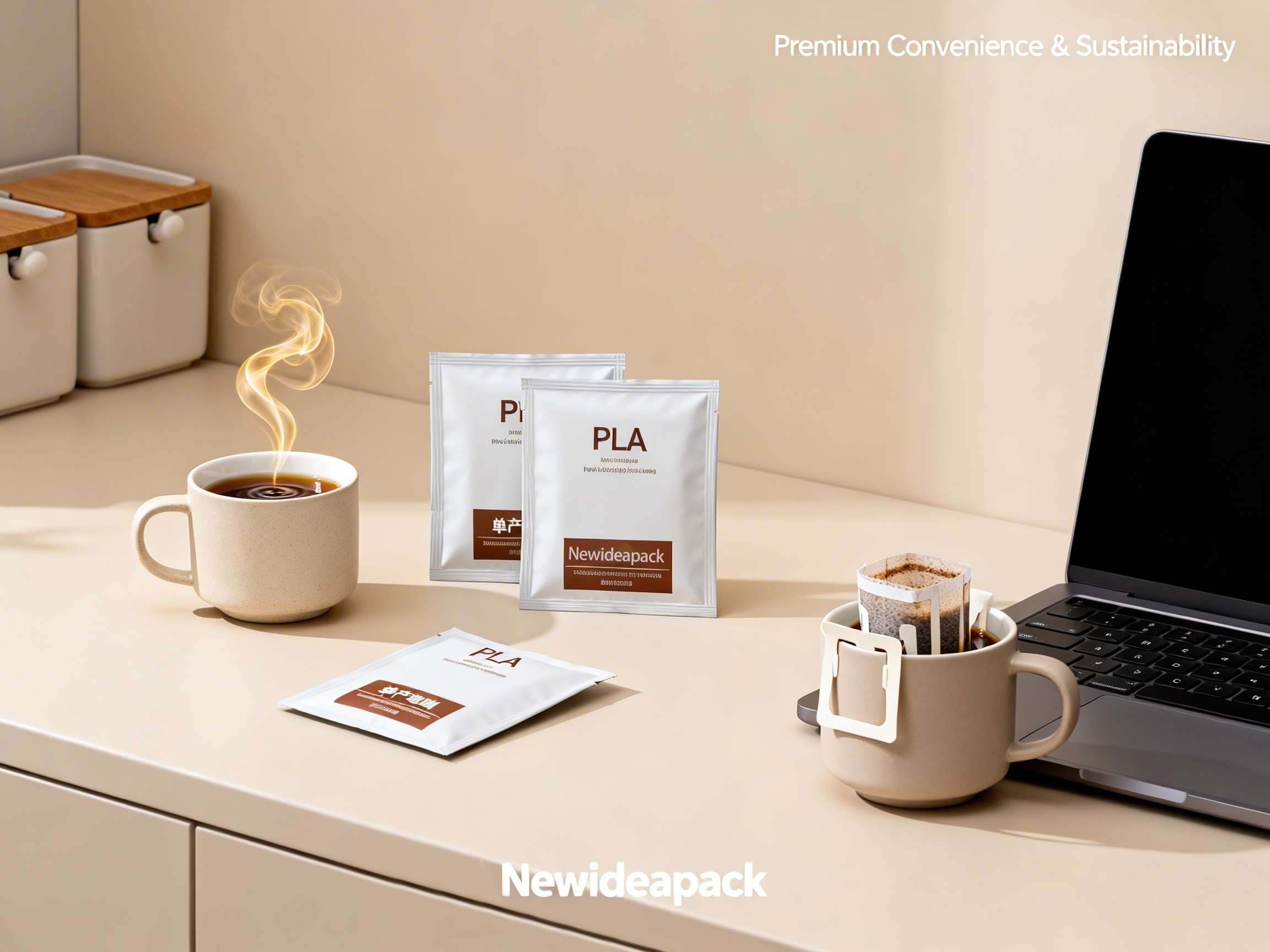
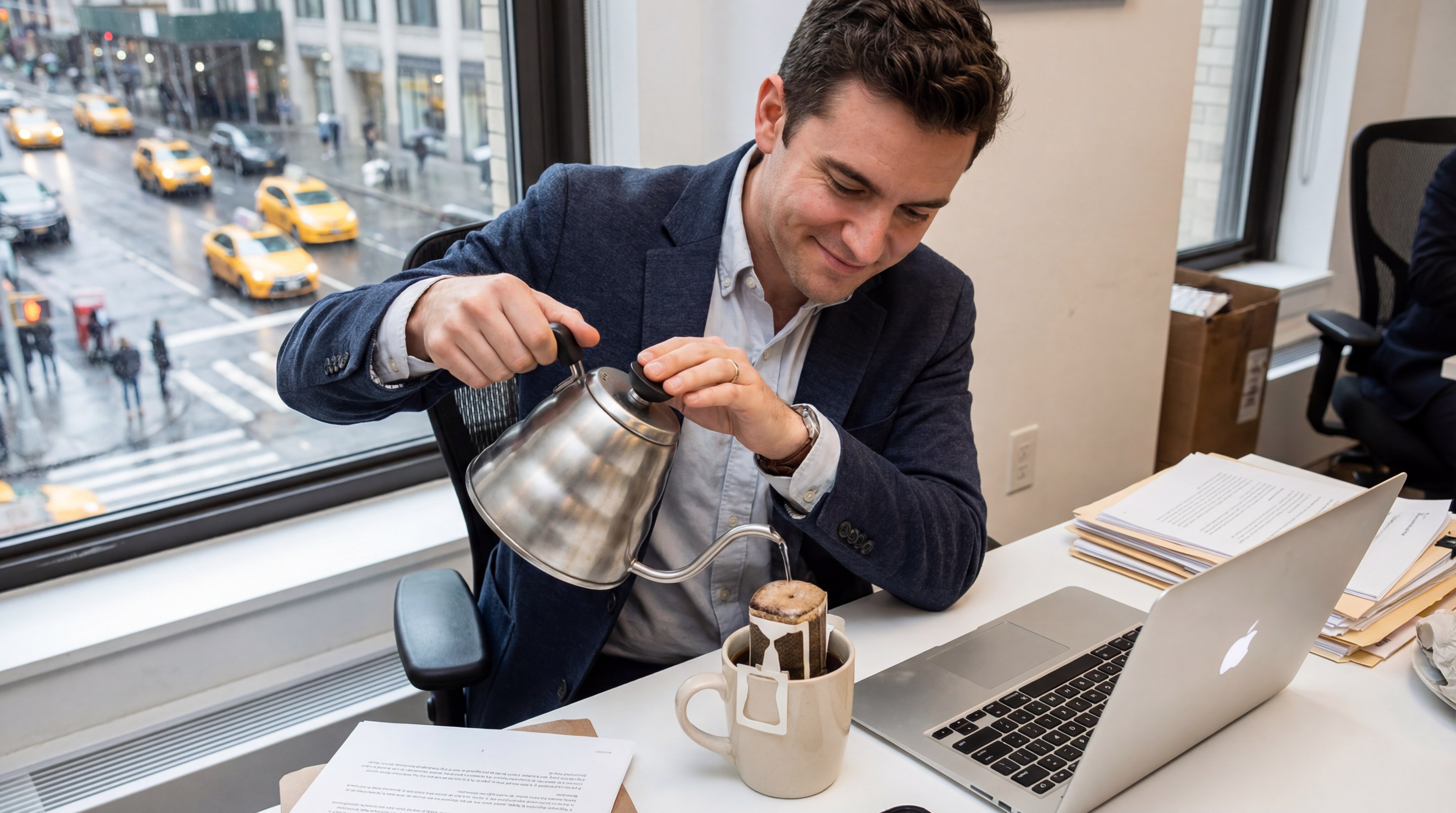
You are standing in your kitchen, running late for a meeting, and desperately needing a barista-quality brew without the 10-minute cleanup of a traditional Chemex. It is incredibly frustrating to settle for a plastic-heavy pod that tastes like cardboard when your brand’s reputation is built on artisanal quality. The massive opportunity in drip bags solves this by merging high-end specialty coffee with the “grab-and-go” convenience that current drip coffee market trends demand from modern urbanites.
Why are drip coffee market trends shifting in the US?
The shift in the United States is primarily driven by a “third-wave” coffee culture that now prioritizes premium convenience over traditional, bulky equipment. American consumers are increasingly looking for portable ways to enjoy single-origin beans at the office or while traveling, which is significantly influencing drip coffee market trends across the country.
Is the US consumer ready for single-serve pour-overs?
The data shows that North American professionals are rapidly moving away from plastic capsules in favor of more authentic brewing methods. You see, the demand for “equipment-free” pour-over coffee has skyrocketed as hybrid work becomes the norm.
Increased interest in single-origin specialty beans.
Growth in subscription-based coffee models.
Willingness to pay a premium for high-quality, portable filters.
Think about this: your customers no longer want to choose between speed and soul.
What role does the “anywhere coffee” culture play?
You likely realize that the modern worker is more mobile than ever before. Drip bags provide the perfect solution for providing a café experience in hotel rooms, flights, or remote workspaces.
Metric
US Market Impact
Demand Type
Premium Convenience
Target User
Hybrid Workers / Travelers
Growth Driver
Specialty Beans
This shift demonstrates that Americans are willing to invest in formats that respect the bean while respecting their time.
Key Takeaway: The US market is ripe for brands that can deliver a high-end pour-over experience in a format that requires zero specialized equipment.
How is Europe leading global drip coffee market trends?
Europe currently leads the world by leveraging its long-standing artisanal coffee heritage alongside some of the strictest sustainability mandates in the industry. As European countries move toward a circular economy, the drip coffee market trends in this region are heavily focused on compostable materials and plastic-free alternatives.
Why is sustainability the primary driver in Europe?
European consumers are making purchasing decisions based on the “clean-label” status of their coffee and the recyclability of the outer pouch. You must ensure your packaging aligns with these values to capture the 38% global market share currently held by Europe.
Adoption of bio-based materials like PLA.
Preference for aluminum-free outer barrier films.
Mandates for lower carbon footprints in manufacturing.
But that’s not all. The shift is also being pushed by legislative changes that penalize single-use plastics.
Are traditional European cafes adopting this format?
It is a fascinating development to watch old-world coffee houses in Milan or Berlin now offering “hanging-ear” bags for their regulars. They recognize that even the most loyal espresso drinker needs a portable option for the weekend.
Region
Market Share
Primary Trend Focus
Europe
38%
Eco-Sustainability
Germany/UK
High Growth
Single-Origin Specialty
France
Emerging
Premium Subscriptions
Europe’s dominance is a direct result of combining heritage quality with future-proof packaging solutions.
Key Takeaway: Success in the European market requires a dual focus on ultra-premium bean sourcing and verifiable packaging sustainability.
What drives consumer drip coffee market trends today?
The primary driver is the “Premiumization of Convenience,” where consumers refuse to sacrifice the sensory experience of a pour-over for the sake of speed. Modern drip coffee market trends show that people are looking for a ritual they can perform in under three minutes without the mess of a grinder.
Why do users prefer drip bags over pods?
The gravity-fed extraction process of a drip bag allows the delicate notes of a light roast to shine through in a way that high-pressure pods cannot replicate. You are selling an “experience,” not just a caffeine hit, which builds deeper brand loyalty.
Superior aroma release during the brewing process.
Tactile engagement that feels like traditional brewing.
Minimal waste compared to hard plastic capsules.
You might be wondering: does the consumer actually care about the ritual?
Does the brewing ritual matter to busy people?
Yes, because the act of pouring water over grounds provides a momentary “mental reset” during a stressful workday. Even a two-minute ritual creates an emotional connection between the consumer and your brand.
Consumer Driver
Value Rank
Business Impact
Flavor Integrity
High
Customer Retention
Portability
Medium
Market Expansion
Sensory Ritual
High
Brand Distinction
By focusing on the sensory aspects of the brew, you elevate your product from a commodity to a daily highlight.
Key Takeaway: Focus on the “ritual” of the drip bag to differentiate your brand from the generic, low-quality instant coffee market.
Are green filters part of drip coffee market trends?
Eco-friendly filter materials like corn-starch-based PLA and non-woven fabrics are now the standard for brands looking to survive in the Western market. These sustainable drip coffee market trends are no longer optional; they are a prerequisite for getting your products onto the shelves of major retailers.
What are the best materials for modern filters?
PLA (Polylactic Acid) is currently the gold standard because it is fully compostable while maintaining the structural integrity needed for hot water brewing. You can market these materials as “guilt-free” options for the eco-conscious Gen Z and Millennial demographics.
Heat-resistant PLA mesh for clear extraction.
Biodegradable non-woven fabrics for body and texture.
Recyclable outer pouches to complete the green cycle.
The catch is that these materials often require more advanced sealing techniques than traditional plastics.
Can sustainable packaging actually lower your costs?
While the raw materials may cost more per unit, they significantly reduce the long-term risk of environmental taxes and “greenwashing” PR disasters. In Europe, using sustainable materials can often open the door to government grants or lower retail entry fees.
Material Type
Biodegradability
Consumer Perception
PLA Mesh
100%
Ultra-Premium
Non-Woven
High
Professional
Traditional PET
Low
Budget/Low-End
Green filters are the bridge between your brand’s environmental claims and the physical reality of your product.
Key Takeaway: Transitioning to biodegradable filter materials is the single most effective way to future-proof your drip coffee line.
Why does specialty coffee fuel drip coffee market trends?
Specialty coffee is the engine of the market because it justifies the premium price point of drip bags through superior sourcing and roasting profiles. You aren’t just selling a beverage; you’re selling a “90-point” coffee experience that was previously only available in high-end city cafes, which is redefining drip coffee market trends globally.
Can drip bags maintain the freshness of specialty beans?
The secret lies in combining high-grade beans with advanced nitrogen flushing to keep oxygen levels below 1% inside the pouch. You can now offer a shelf life of up to 12 months without losing the delicate floral or fruity notes of your roast.
Oxygen levels strictly controlled during packaging.
High-barrier outer films to block light and moisture.
Consistent grind sizes optimized for drip extraction.
Here is the kicker: freshness is the only thing that separates a premium brand from a cheap imitation.
Why is single-origin coffee so popular in this format?
Single-origin labels provide the “story” that modern consumers crave, allowing them to feel connected to the farmers in Ethiopia or Colombia. This transparency builds trust and allows you to charge a significantly higher margin per bag.
Coffee Grade
Price Point
Consumer Loyalty
Specialty (90+)
$2.50+ / bag
Very High
Premium Blend
$1.50 / bag
High
Commercial
$0.80 / bag
Low
The synergy between specialty beans and the drip bag format creates a product that feels like an affordable luxury.
Key Takeaway: Use the drip bag format as a vehicle for your best specialty beans to maximize your brand’s perceived value and profit margins.
How does tech impact future drip coffee market trends?
Technology is shifting the landscape toward high-speed, fully automated systems that integrate weighing, filling, and ultrasonic sealing into a single compact footprint. In our experience at newideapack, we’ve seen that roasters who embrace automation are able to scale their production of drip coffee market trends without hiring dozens of workers.
What is the advantage of ultrasonic sealing?
Ultrasonic sealing uses acoustic vibrations to create heat at the molecular level, ensuring a perfect bond even if coffee dust gets caught in the seal area. This technology is vital for maintaining the hermetic integrity of the bag and extending shelf life significantly.
Zero risk of “burned” edges common with heat sealing.
Stronger seals for eco-friendly, delicate materials.
Faster production speeds with less material waste.
You see, better tech doesn’t just improve the product; it improves your bottom line.
Can automation handle the variety of modern bags?
Modern VFFS (Vertical Form Fill Seal) machines are now flexible enough to switch between different bag sizes and “ear” designs with minimal downtime. This allows you to experiment with different market segments without investing in multiple production lines.
Tech Feature
Production Impact
ROI Potential
Ultrasonic Sealing
100% Airtight Bags
High
Nitrogen Flush
12+ Month Freshness
Very High
Auto-Weighing
0.1g Precision
Medium
Automation is no longer a luxury for the giants; it is a necessity for any roaster looking to compete.
Key Takeaway: Investing in advanced packaging technology like ultrasonic sealing is the foundation for scaling your production effectively.
Can online sales influence drip coffee market trends?
E-commerce is the primary growth engine for drip bags, especially through recurring subscription models that provide stable revenue for roasters. Drip coffee market trends indicate that the lightweight, durable nature of these bags makes them the absolute best product for direct-to-consumer (D2C) shipping.
Why are subscriptions perfect for drip bags?
Subscriptions work because drip bags are a high-frequency, consumable item that fits perfectly into a daily routine. Once you get your coffee into a customer’s mailbox, the “unboxing” experience becomes your most powerful marketing tool.
Low shipping weight reduces fulfillment costs.
Durable packaging survives the transit process easily.
Letterbox-friendly sizes mean no missed deliveries.
Believe it or not, the “mailbox coffee” trend is just getting started.
How do online brands stand out?
Successful online brands use the outer pouch as a storytelling canvas, highlighting the origin, the roast profile, and the sustainable nature of the filter. You can create a “community” around your brand by encouraging users to share their brewing videos on social media.
Sales Channel
Growth Potential
Shipping Efficiency
D2C Subscription
Very High
Excellent
Amazon/Marketplace
High
Good
Retail Grocery
Medium
Moderate
The digital-first nature of the drip bag trend allows smaller, artisanal roasters to compete directly with global coffee giants.
Key Takeaway: Optimize your packaging specifically for the e-commerce “unboxing” experience to capture the growing subscription market.
Why is speed vital for current drip coffee market trends?
Production speed is critical because the massive demand in North America and Europe is quickly outstripping the manual capacity of most boutique roasters. If you cannot produce at least 50 bags per minute, you will struggle to fulfill wholesale orders for hotels or airlines, which are key pillars of drip coffee market trends today.
Can high-speed machines maintain quality?
Modern industrial machines achieve speeds of 80 to 90 bags per minute while using precision sensors to ensure every single seal is 100% hermetic. You don’t have to sacrifice the “hand-crafted” quality of your coffee just because you are packing it at high speeds.
Servo-driven systems for millimeter precision.
Integrated rejection systems for underweight bags.
Modular designs that grow with your business.
But wait, there’s more to consider regarding long-term maintenance.
Is it hard to keep high-speed lines running?
Actually, the latest generation of packaging equipment features self-diagnostic tools that alert your team to potential issues before they cause downtime. You can run these machines 24/7 with minimal human intervention, dramatically lowering your labor costs.
Production Mode
Bags Per Minute
Ideal Scale
Manual/Semi-Auto
5 – 10
Startup/Test
Professional VFFS
40 – 60
Regional Growth
Industrial High-Speed
80 – 100
National/Global
Scaling your output is the only way to transform your coffee business from a local boutique into a regional powerhouse.
Key Takeaway: To capture large-scale wholesale and retail opportunities, you must invest in machinery that balances high speed with absolute precision.
Do flavor profiles change drip coffee market trends?
Flavor innovation is a massive part of the market, with North American consumers favoring “functional” infusions while Europeans prefer regional terroir expressions. You must understand that drip coffee market trends vary by geography, requiring a flexible approach to your product lineup and flavoring strategy.
What are the trending flavors in the US?
The US market is currently obsessed with “functional coffee” that includes additives like collagen, mushroom extracts (Lion’s Mane), or even CBD. These additions allow you to market your drip bags as a wellness product, not just a morning beverage.
Classic flavors: French Vanilla and Salted Caramel.
Functional: Nootropics and protein infusions.
Seasonal: Pumpkin Spice and winter blends.
But be careful: adding oils or powders requires a sealing system that can cut through contaminants.
Do European drinkers prefer “pure” coffee?
In most European markets, the trend is toward “terroir-focused” coffee where the notes of chocolate or berry come naturally from the soil and processing. You should focus on high-transparency sourcing and “washed vs. natural” processing stories for this demographic.
Region
Flavor Preference
Marketing Angle
North America
High Innovation
Wellness / Lifestyle
Europe
High Tradition
Heritage / Terroir
Understanding these regional nuances allows you to tailor your packaging and roast profiles for maximum appeal in each market.
Key Takeaway: Use regional flavor preferences to create targeted product lines: “functional” for the US and “origin-pure” for Europe.
What is the outlook for drip coffee market trends?
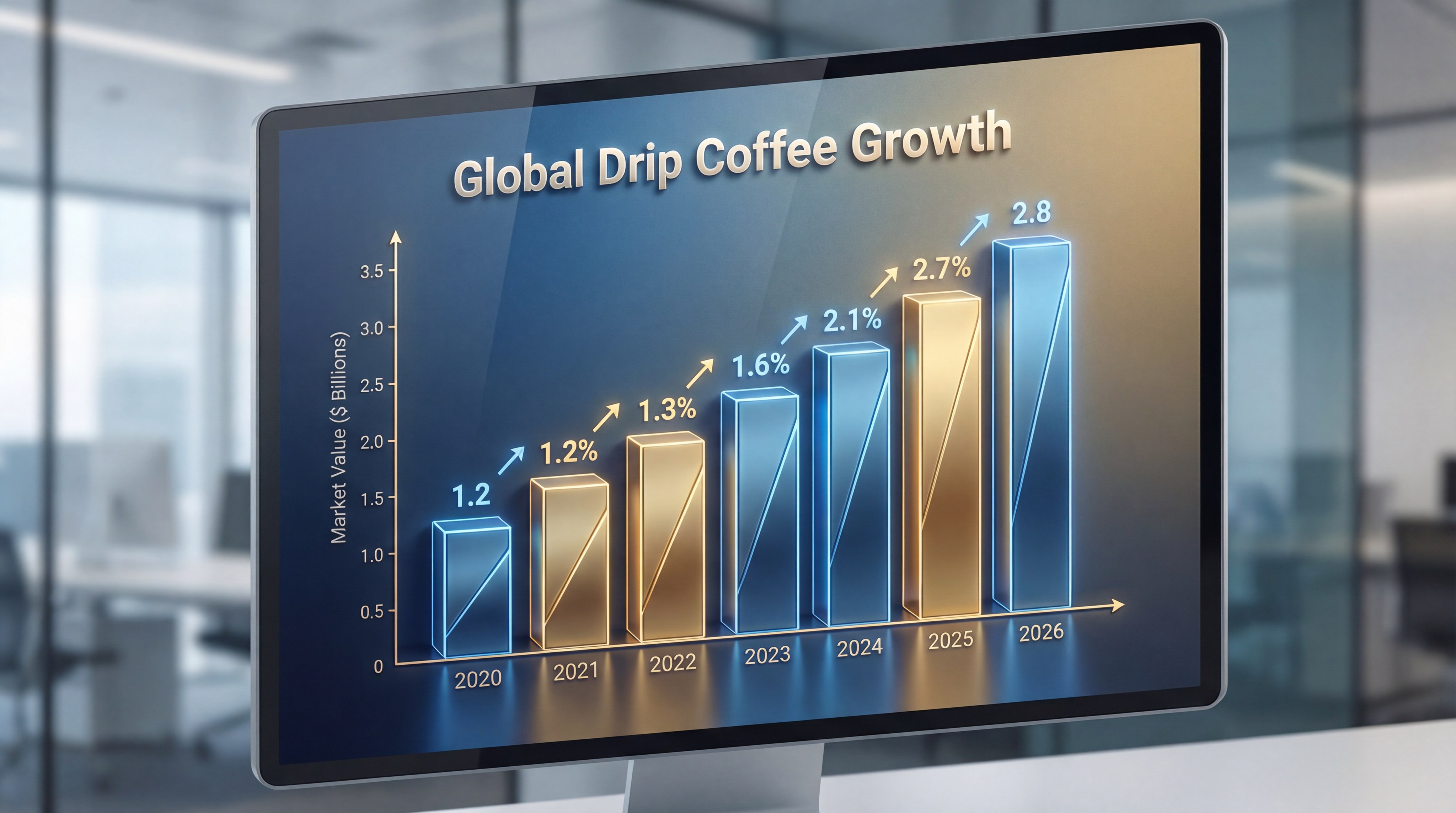
The outlook for the global market is incredibly bullish, with projections showing a rise to $4.70 billion by 2033 as more consumers switch from instant coffee to drip bags. You are witnessing a permanent shift in how the world consumes premium coffee, and these drip coffee market trends are set to dominate the next decade of industry growth.
Will drip bags eventually replace coffee pods?
While pods will likely remain in the mass-market budget segment, drip bags are already replacing them in the high-value, specialty category. You likely see this trend in luxury hotels and high-end offices where plastic capsules are increasingly being banned.
Projected CAGR of 6.5% through 2033.
Increased integration into travel and hospitality sectors.
Total dominance of the premium-convenience niche.
Think about the long-term: where do you want your brand to be in five years?
Is it too late to enter the market?
On the contrary, the Western market is currently in the “early majority” phase of the adoption curve. You have the benefit of mature technology and existing consumer awareness, but there is still plenty of room for innovative new brands.
Year
Market Value (Global)
Trend Status
2024
$2.66 Billion
High Growth
2033
$4.70 Billion
Market Maturity
The roadmap is clear: the future of coffee is portable, high-quality, and sustainably packaged.
Key Takeaway: The next five years represent a “gold rush” for drip bags in the West; those who invest in production today will own the market tomorrow.
Conclusion
The “Massive Opportunity” in drip bags across North America and Europe is a structural shift in how people value their time and their coffee. We have explored how regional demands—from US functional infusions to European sustainability mandates—are shaping the drip coffee market trends of the future. By solving the pain points of messy equipment and low-quality pods through advanced ultrasonic sealing and nitrogen flushing, you can build a brand that is both profitable and environmentally responsible.
At Newideapack, we are dedicated to helping roasters navigate this transition with world-class packaging solutions that scale with your ambitions. Whether you are a boutique roaster ready to enter the subscription market or an industrial player looking to optimize your production line, we have the expertise to get you there.
FAQ
Can I use my existing specialty beans for drip bags? Yes, specialty beans are the perfect choice. The drip bag format is specifically designed to highlight the unique flavor profiles of high-grade beans through a natural gravity-extraction process.
What is the best way to maintain shelf life? Nitrogen flushing is mandatory. By replacing oxygen with nitrogen during the packaging process, you can keep your coffee tasting “roasted-today” fresh for up to 12 months.
How do I know if I need ultrasonic sealing? If you plan to use sustainable materials like PLA, you need it. Traditional heat sealing often fails to create a secure, airtight bond on eco-friendly films, leading to stale coffee and leaks.
Can I start with a small production volume? Yes, you can. Many roasters start with semi-automated machines to test the market before scaling up to high-speed lines as their wholesale orders grow.
What is the ideal grind size for drip bags? A medium-fine grind is usually best. It needs to be fine enough to extract flavor in 2 minutes but coarse enough to allow water to flow through the filter without clogging.
Sales Pitch Component
To take the next step in your growth journey?
Contact us today and let’s build the future of coffee together.