What Innovative Leaders Know About Successful Sustainable Coffee Branding Today
2025年11月7日 by newideapack
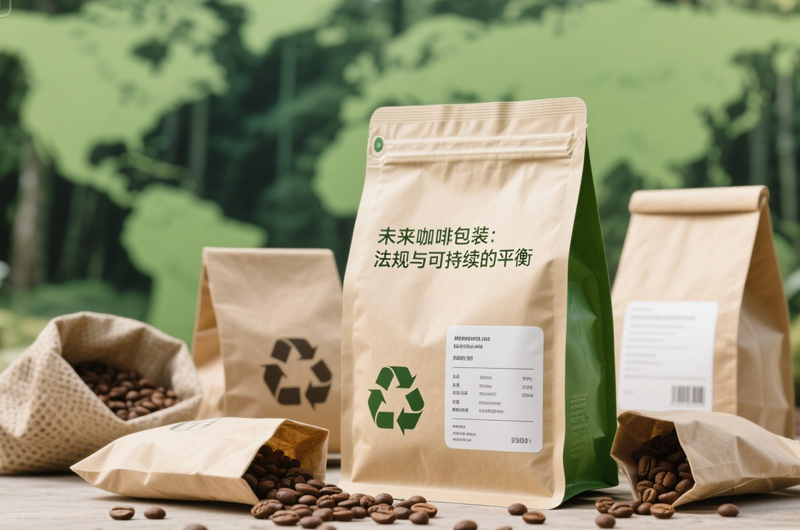
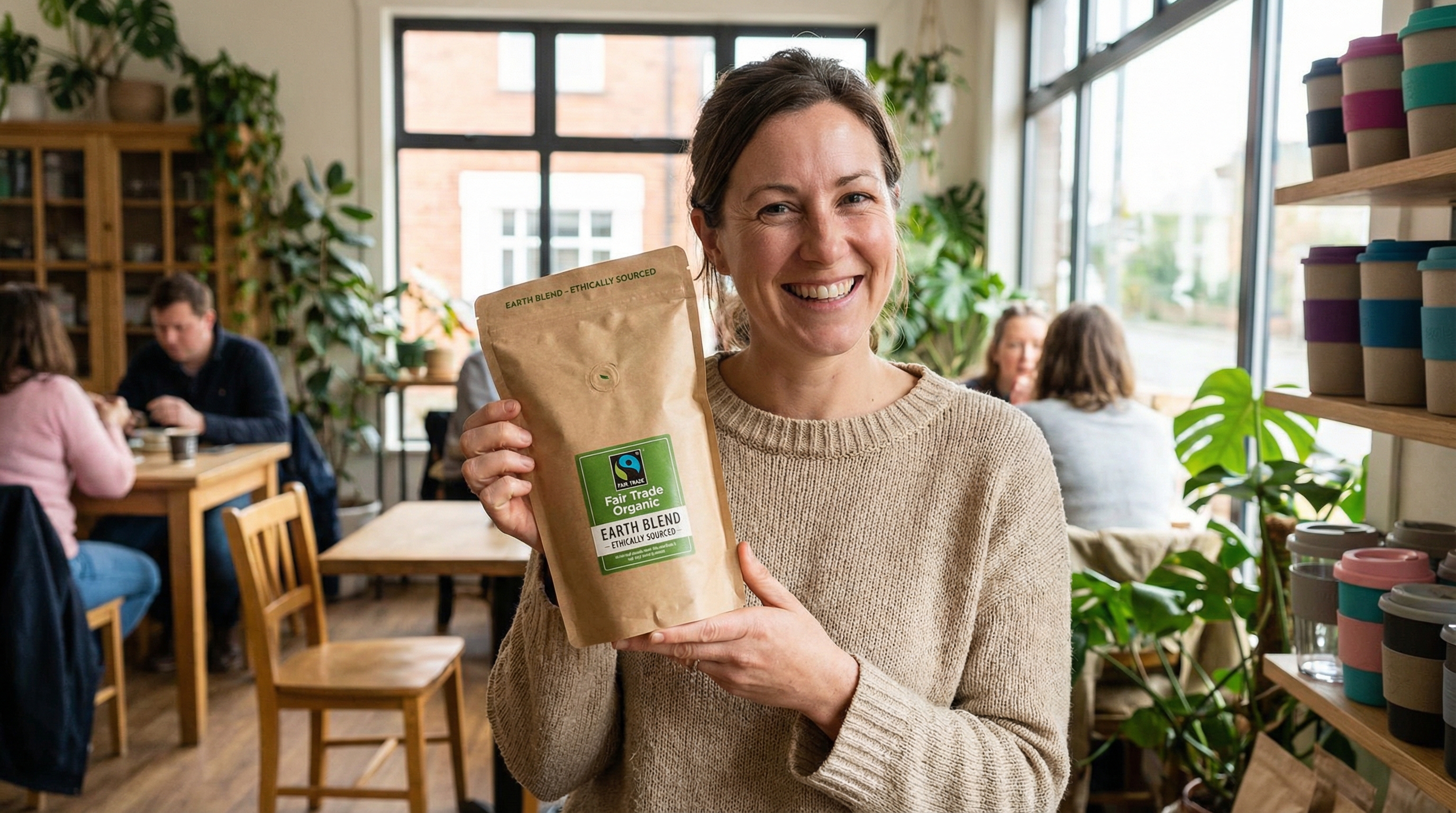
Sustainable coffee branding is the strategic use of eco-friendly materials and ethical narratives to align your specialty roasts with the environmental values of modern consumers. By replacing traditional plastic with compostable or recyclable alternatives, you transform your coffee packaging from a simple container into a badge of honor for the conscious drinker.
Imagine this: your customers love your roast, but every time they finish a bag, they feel a pang of guilt tossing that heavy, non-recyclable plastic into the trash. This creates a disconnect between your artisanal quality and your environmental impact. If you don’t address this, you risk losing loyal fans to competitors who wear their green credentials on their sleeves. The good news? You can bridge this gap by adopting sustainable coffee branding through innovative, earth-friendly packaging solutions that protect both the bean and the planet.
Why is sustainable coffee branding vital for growth?
Investing in sustainable coffee branding is essential because it builds deep emotional resonance with a demographic that prioritizes the planet over price. By choosing materials that reflect your ethics, you move beyond being a mere commodity and become a brand that represents a lifestyle.
Is the modern coffee consumer changing?
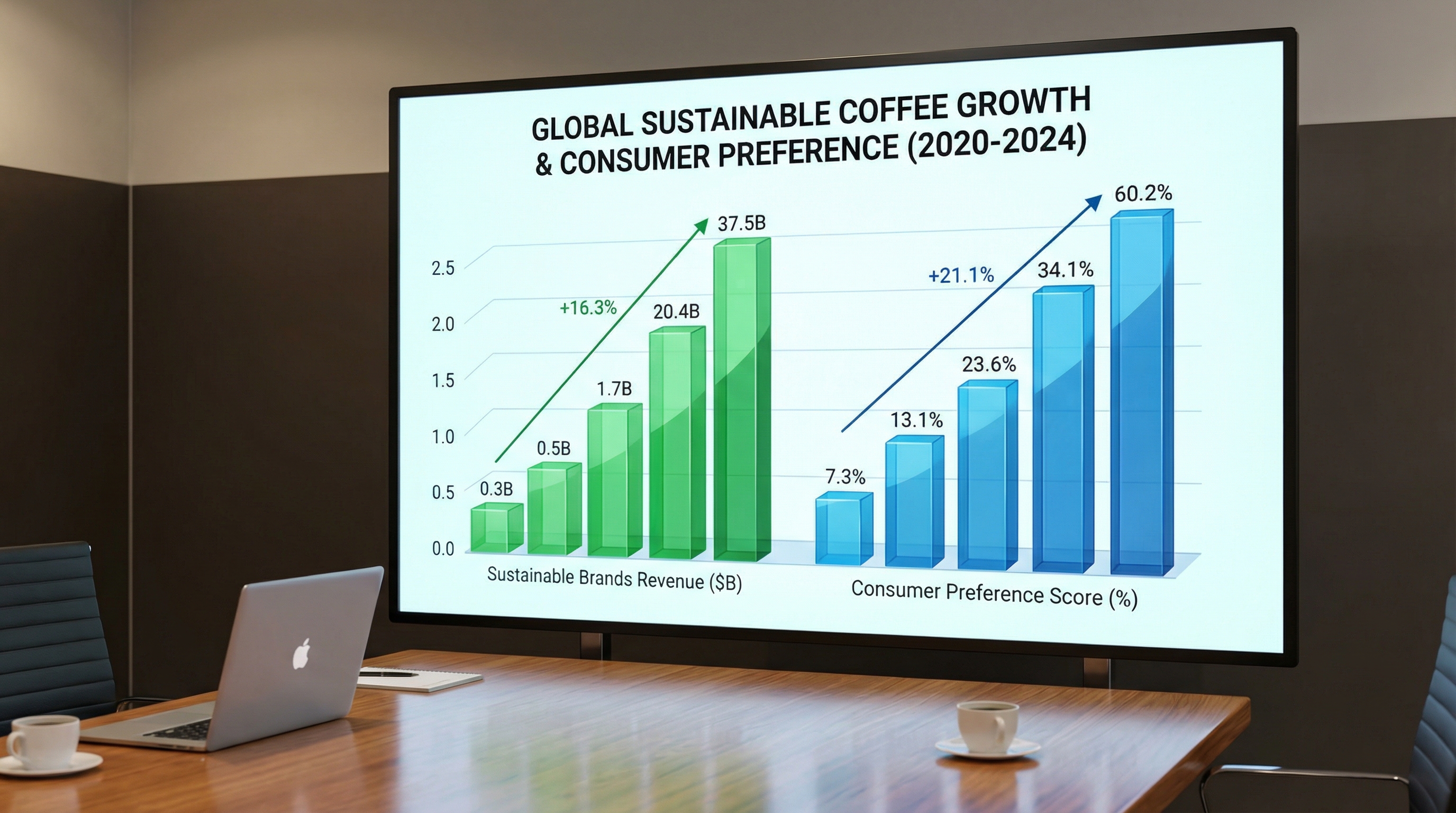
Yes, today’s drinkers are increasingly voting with their wallets for brands that demonstrate clear environmental accountability. Research shows that over 60% of consumers now look for eco-labels before buying, especially among Millennials and Gen Z who are willing to pay a premium for compostable options.
But here is the kicker.
If you don’t show them you care, they will find someone who does. Implementing high-quality coffee packaging solutions allows you to meet these demands without sacrificing the shelf-life or freshness of your specialty beans.
Eco-materials build instant trust with green shoppers.
Ethical narratives create a shared mission between roaster and drinker.
Waste reduction signals that your brand is forward-thinking.
Growth Driver
Impact on Branding
Consumer Perception
Eco-Materials
High
Trustworthy & Responsible
Ethical Narrative
Medium
Authentic & Caring
Waste Reduction
High
Innovative & Forward-Thinking
This table illustrates how specific sustainable actions directly correlate with improved consumer trust and market positioning.
Key Takeaway: Adopting green packaging isn’t just a trend; it’s a survival strategy that secures long-term loyalty by aligning your brand with your customer’s personal values.
How does material choice impact sustainable coffee branding?
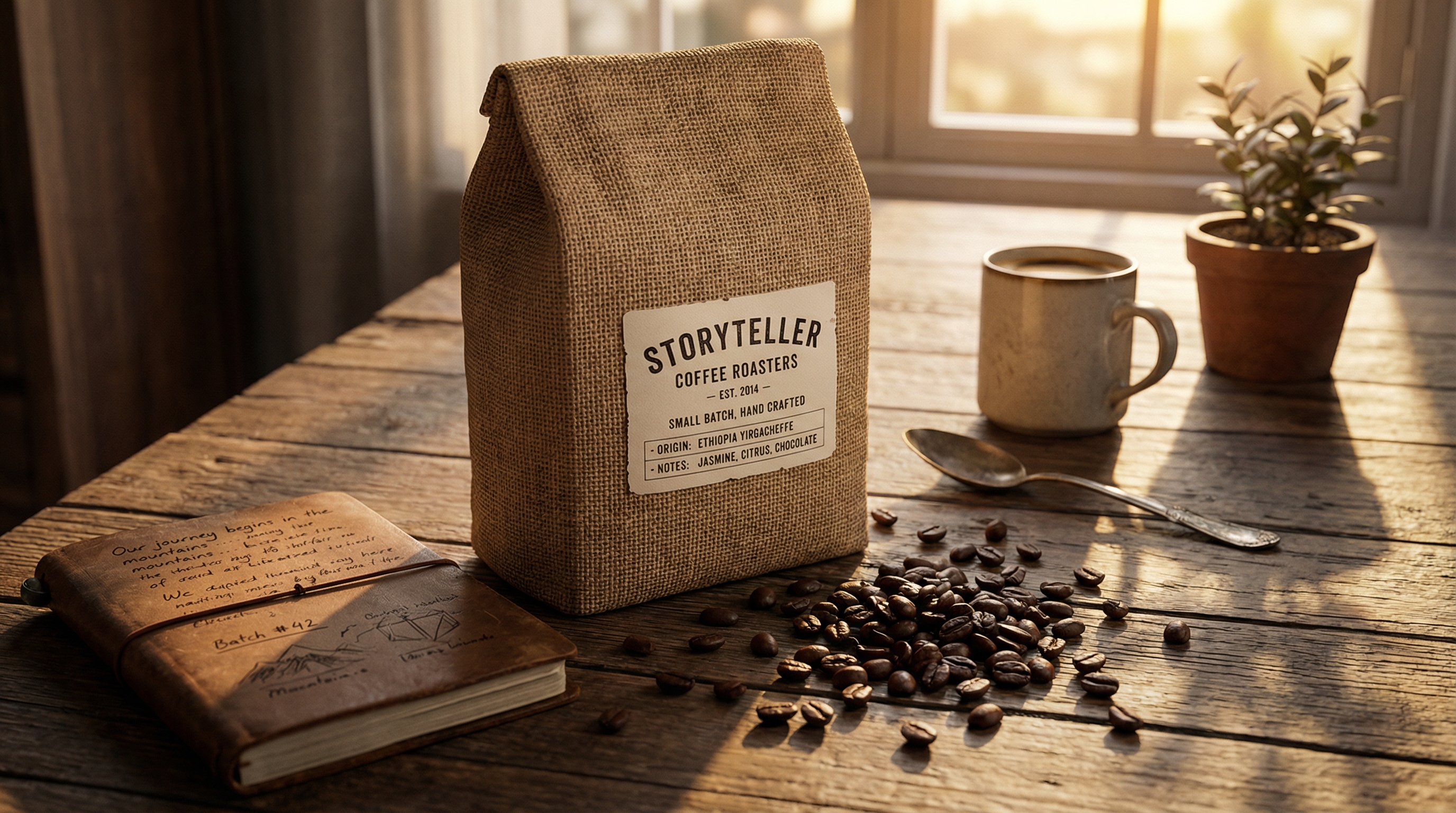
The materials you select for your bags serve as the primary “proof of concept” for your sustainable coffee branding efforts. When a customer touches a kraft paper bag or a textured bioplastic, they receive an immediate tactile confirmation of your brand’s commitment to the environment.
Can kraft paper convey an organic story?
Kraft paper is the gold standard for conveying a “farm-to-cup” aesthetic due to its raw, natural texture and compostable nature. It reduces the reliance on fossil-fuel-based plastics and highlights the artisanal nature of small-batch roasting through its earthy tones.
And the best part?
It feels “real” in the customer’s hands. By using renewable fibers, you tell a story of growth and renewal that resonates far better than shiny, industrial foils ever could.
Natural texture appeals to the “back to basics” movement.
Compostable kraft paper supports a circular economy.
Custom printing with water-based inks keeps the package non-toxic.
Are high-barrier bioplastics the future?
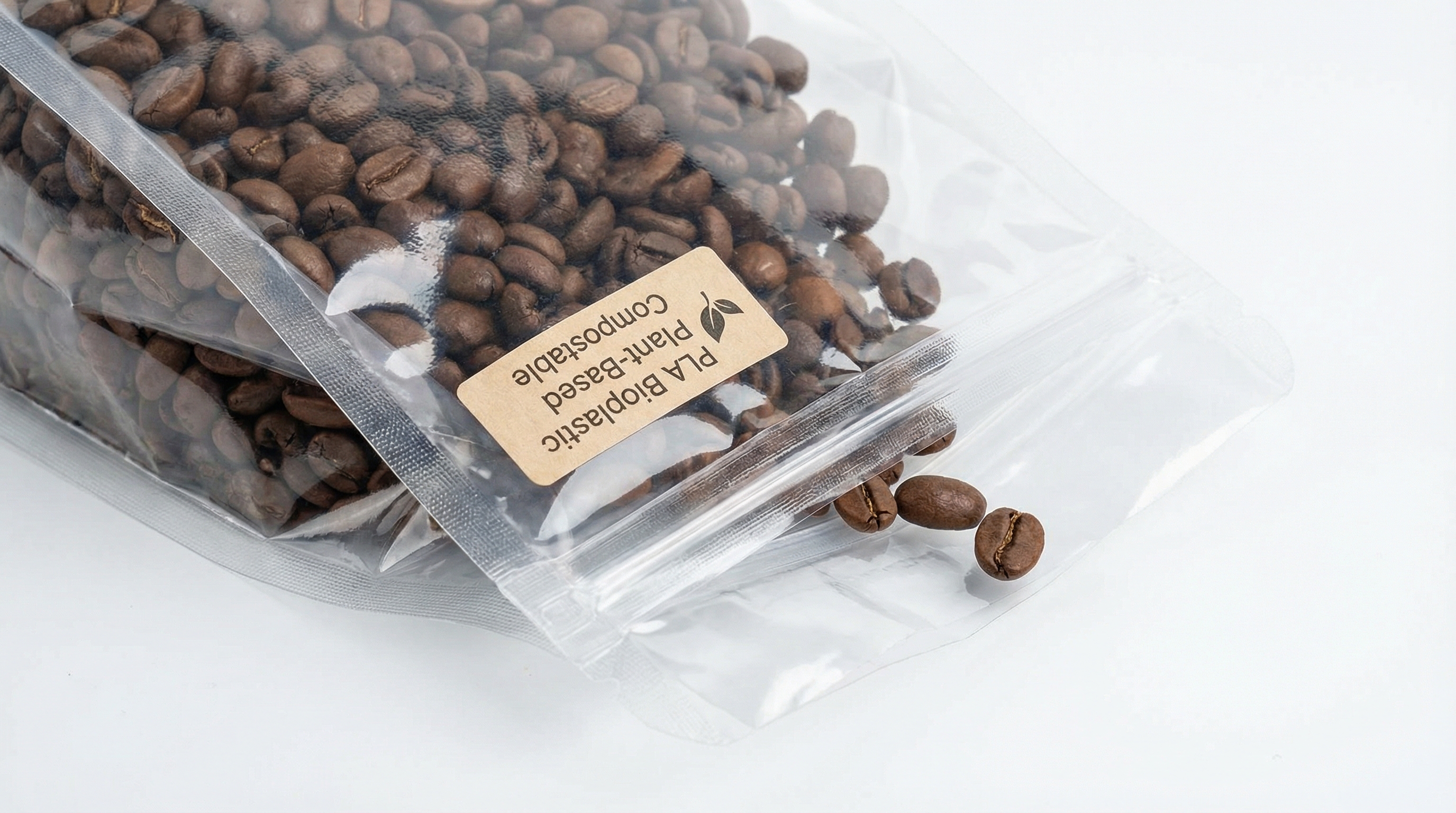
Bioplastics provide the necessary oxygen and moisture protection of traditional plastics while being derived from renewable sources like corn starch. They offer crystal-clear windows to show off your beans while maintaining peak freshness for longer than simple paper.
High transparency showcases the quality of your roast.
Renewable origins lower your brand’s carbon footprint.
Compatibility with existing machines simplifies the transition.
Material Type
Sustainability Score
Best For
Kraft Paper
Excellent
Organic & Small-Batch Roasts
PLA Bioplastic
Good
High-Visibility Retail Bags
Recyclable PE
Moderate
Bulk & Wholesale Distribution
Choosing the right material ensures that your packaging matches the specific shelf-life needs of your unique coffee blends.
Key Takeaway: Your choice of material is your brand’s “body language”; picking the right eco-substrate ensures your message of sustainability is heard before a single word is read.
Can compostable pouches drive sustainable coffee branding?
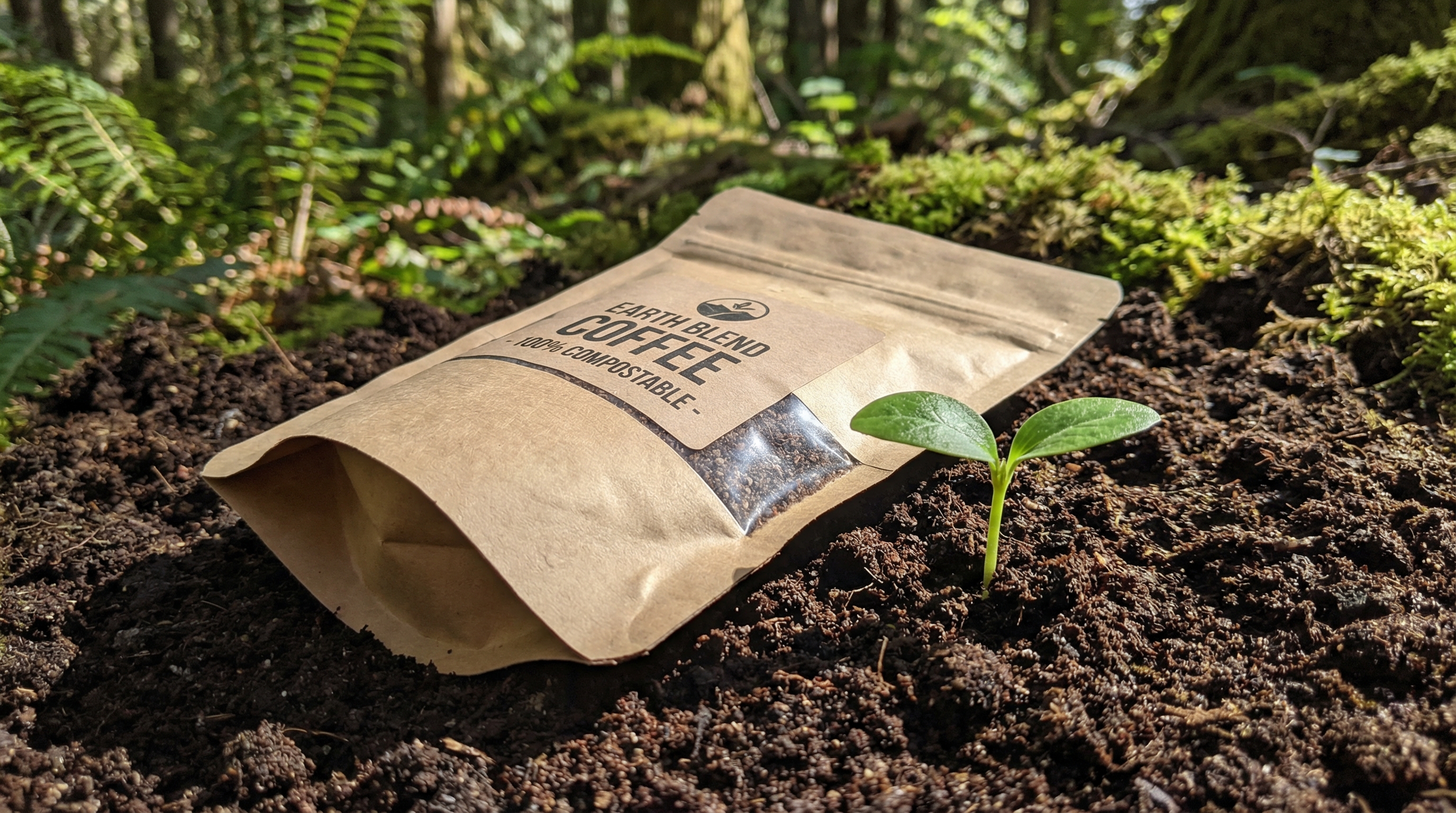
Absolutely, because compostable pouches provide a “zero-waste” conclusion to your coffee’s story, which is the ultimate goal of sustainable coffee branding. It allows your customers to participate in the lifecycle of your product by returning the packaging to the earth.
Do compostable bags actually preserve aroma?
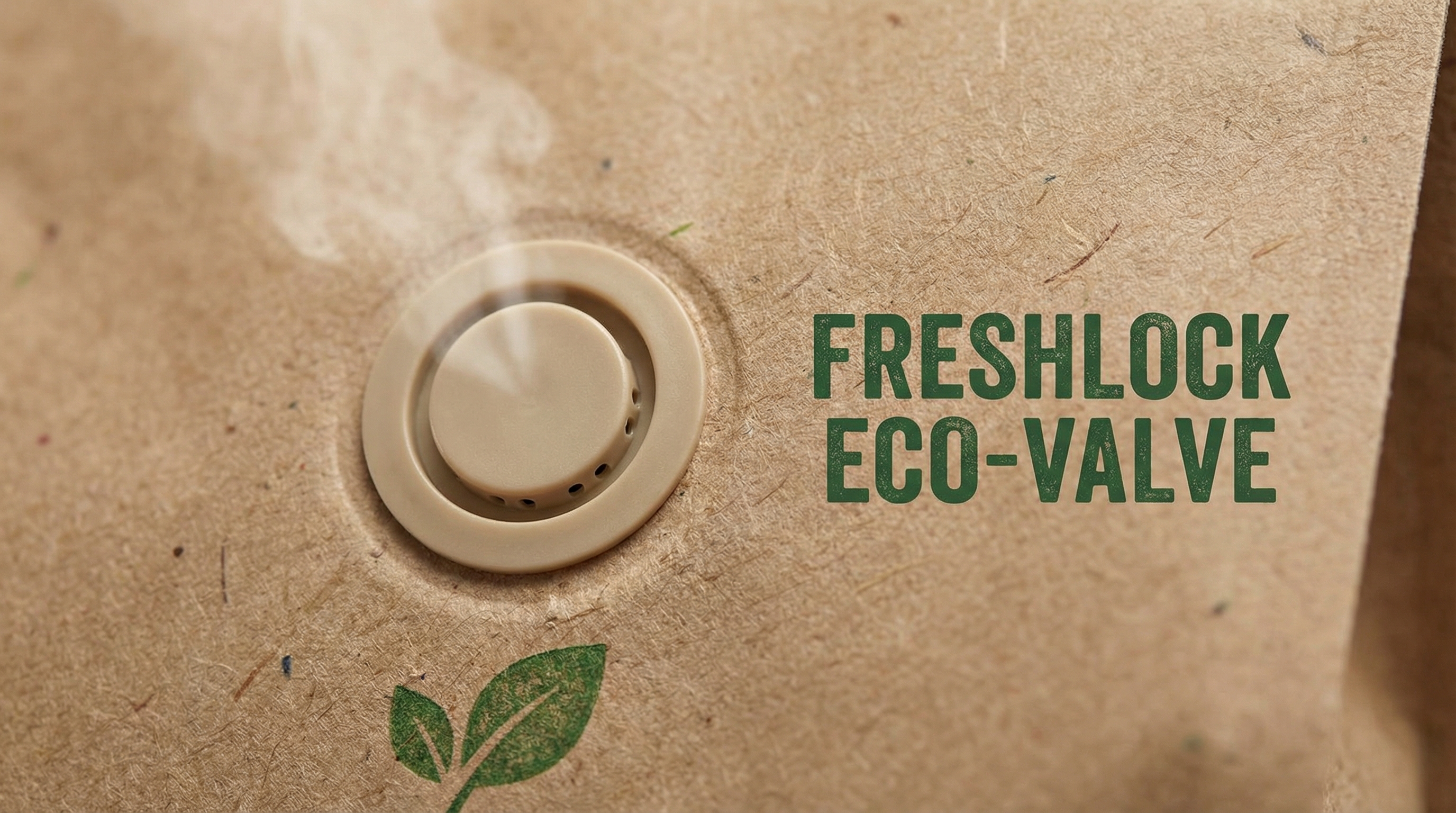
Modern compostable films are engineered with high-barrier layers that rival the performance of traditional aluminum-lined bags. Integrated compostable degassing valves allow CO2 to escape while multi-layer construction prevents oxygen from staling the beans over time.
Think about it this way.
You are giving your customers the best of both worlds: world-class coffee and a guilt-free disposal method. This level of thoughtfulness turns a one-time buyer into a brand evangelist who appreciates your lack of environmental compromise.
Degassing valves protect your flavor profile.
Heat-sealable properties ensure an airtight barrier.
Certified films break down safely in industrial compost facilities.
Feature
Compostable Pouch
Traditional Foil
Barrier Protection
High
Very High
Disposal Method
Compost Bin
Landfill
Carbon Footprint
Low
High
Transitioning to compostable options significantly lowers your brand’s environmental footprint without compromising the sensory quality of the coffee.
Key Takeaway: Compostable pouches solve the “plastic guilt” problem, allowing your brand to own the entire lifecycle of the product from soil to soil.
Does PLA technology improve sustainable coffee branding?
Yes, Polylactic Acid (PLA) technology is a cornerstone of modern sustainable coffee branding because it offers a plant-based alternative to petroleum-derived films. It allows you to maintain a professional, high-performance look while utilizing eco-friendly materials that are fully biodegradable.
Is PLA durable enough for shipping?
PLA has evolved to be incredibly resilient, handling the rigors of the postal system while protecting the fragile beans inside. High tensile strength prevents bags from tearing during transit, and its natural resistance to oils makes it perfect for darker roasts.
But wait, there’s more.
PLA is compatible with most modern packing machinery, meaning you don’t have to overhaul your entire production line to go green. You can scale your sustainability without slowing down your daily output at New Idea Pack.
Strong heat seals prevent accidental leaks in the mail.
Plant-based resins reduce dependency on oil.
Crystal clarity improves shelf appeal in retail environments.
PLA Property
Advantage
Business Benefit
Plant-Based
Renewable
Reduced Oil Dependency
Transparent
Visual Appeal
Higher Consumer Trust
Breathable
Moisture Control
Stable Product Quality
Utilizing PLA allows brands to leverage high-tech materials that support a clean, modern, and green brand image.
Key Takeaway: PLA technology provides the “industrial strength” needed for global coffee shipping while keeping your brand’s environmental promises intact.
How do drip bags help sustainable coffee branding?
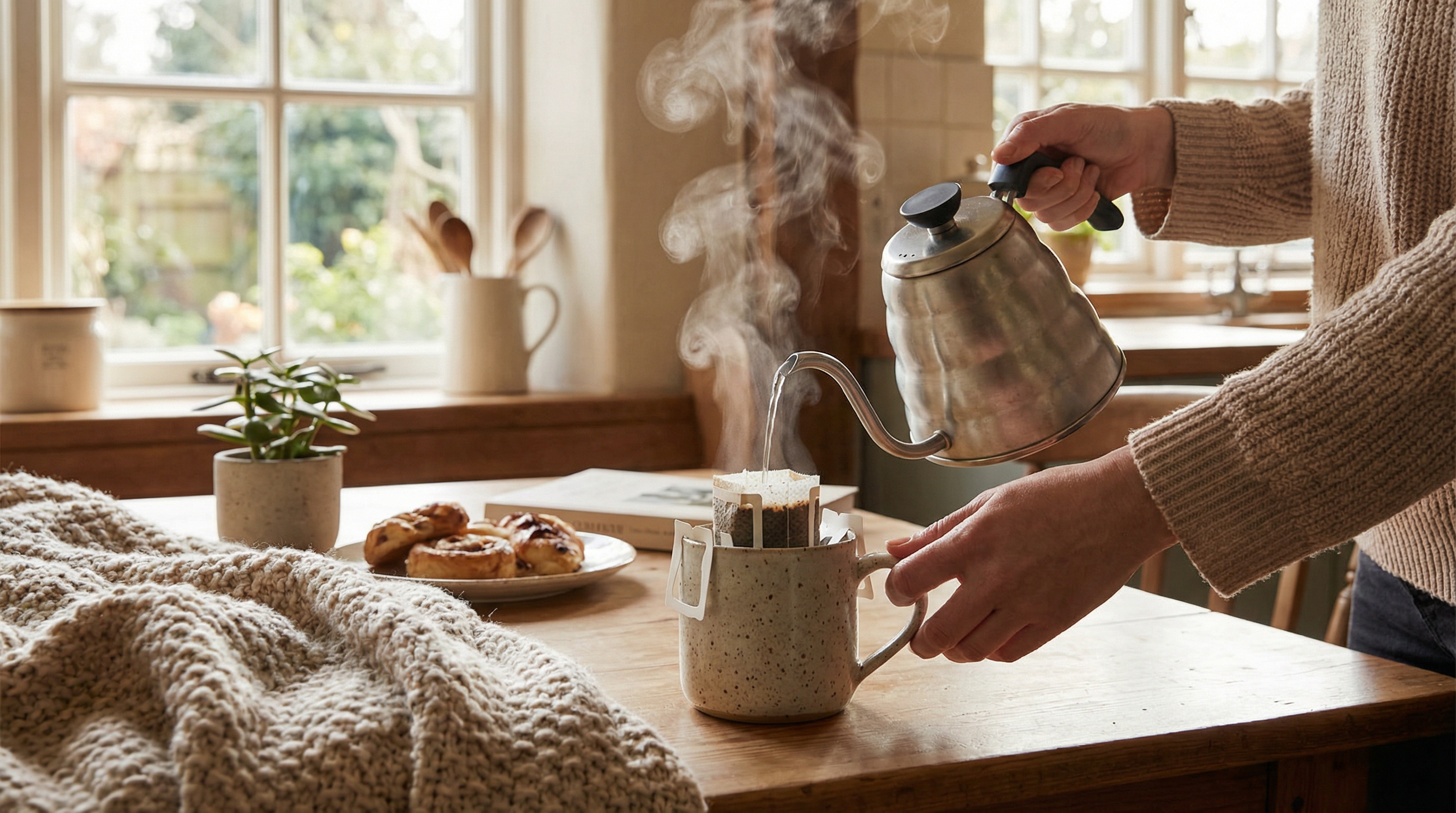
Drip bags are a revolutionary tool for sustainable coffee branding because they offer portion-controlled convenience without the massive plastic waste associated with traditional coffee pods. By using a drip coffee bag machine, you can provide a high-end experience that uses far less material.
Why are drip bags better than pods?
Unlike rigid plastic pods, drip bags are made from lightweight, often compostable filter paper and minimal outer packaging. They reduce the volume of waste per cup significantly while allowing for a full “pour-over” ritual that pods simply lack.
You might be wondering.
Can these small bags really make a difference for a growing roastery? When multiplied by thousands of daily cups, the reduction in landfill waste is staggering, and your customers will notice the difference in your footprint.
Bio-mesh filters are often biodegradable and food-safe.
Minimal outer packaging reduces total material usage.
Format
Material Waste
User Experience
Drip Bag
Minimal
Premium Pour-Over
Plastic Pod
High
Mechanical/Quick
Instant Sachet
Moderate
Low Quality
Switching to drip bags allows you to capture the convenience market while maintaining a superior environmental profile.
Key Takeaway: Drip bags provide the perfect entry point for eco-conscious customers who value both their time and the health of the planet.
Can nitrogen flushing aid sustainable coffee branding?
Surprisingly, yes—nitrogen flushing is a silent partner in sustainable coffee branding by drastically extending shelf life and reducing food waste. By removing oxygen, you ensure that your coffee stays fresh longer, meaning fewer bags are thrown away by retailers.
Does longer shelf life mean more sustainability?
Extended freshness reduces the frequency of shipping and the likelihood of product spoilage, which lowers the overall carbon footprint of your supply chain. It prevents the oxidation of delicate oils and aromatics, ensuring that the customer gets the same quality on day 60.
The truth is simple.
Waste is the enemy of sustainability, and a stale bag of coffee is just wasted resources. Anything you do to ensure every gram of coffee you produce is actually enjoyed is a win for your green credentials.
Nitrogen displaces oxygen to prevent flavor degradation.
One-way valves allow CO2 to escape without letting air in.
Preserving beans reduces the pressure on the global supply chain.
Process
Primary Benefit
Eco-Impact
Nitrogen Flush
Oxygen Removal
Reduced Product Waste
One-Way Valve
CO2 Release
Maintained Bag Integrity
Vacuum Seal
Volume Reduction
Optimized Shipping Space
Technological interventions like nitrogen flushing are essential for brands that want to prove their commitment to quality and resource efficiency.
Key Takeaway: Freshness is a sustainability metric; using technology to preserve your coffee’s life is a responsible way to manage resources.
How does minimalism support sustainable coffee branding?
Minimalism is a powerful visual shorthand for sustainable coffee branding because it suggests that your brand has nothing to hide and values “less” over “more.” By reducing the amount of ink and heavy graphics on your bags, you signal a commitment to simplicity.
Can less ink lead to more sales?
Using soy-based or water-based inks in a limited color palette reduces chemical runoff and makes the packaging easier to recycle or compost. Clean designs often stand out more on crowded retail shelves because they communicate a premium, sophisticated brand identity.
Let’s face it.
A busy, plastic-heavy design feels “cheap” and dated in today’s conscious market. A clean, minimalist paper bag feels like a piece of art that belongs in a modern, sustainable kitchen.
Reduced ink usage lowers the chemical footprint of production.
Simple typography improves brand recall and readability.
Monochrome or two-tone designs are easier for recycling facilities to process.
Design Element
Sustainable Choice
Brand Message
Ink Type
Soy/Water-Based
Non-Toxic & Clean
Coverage
Minimalist/Light
Honest & Transparent
Labels
Recycled Paper
Resourceful & Mindful
Reducing the visual and chemical noise of your packaging helps your brand’s core values shine through more clearly to your audience.
Key Takeaway: Minimalist design isn’t just an aesthetic choice; it’s a strategic move to reduce chemical waste and project a high-end, eco-conscious image.
Why is transparency key to sustainable coffee branding?
Transparency is the foundation of sustainable coffee branding because it builds the trust necessary for consumers to believe your eco-claims. In an era of “greenwashing,” providing verifiable data about your packaging and sourcing is the only way to stand out.
Should you include QR codes on bags?
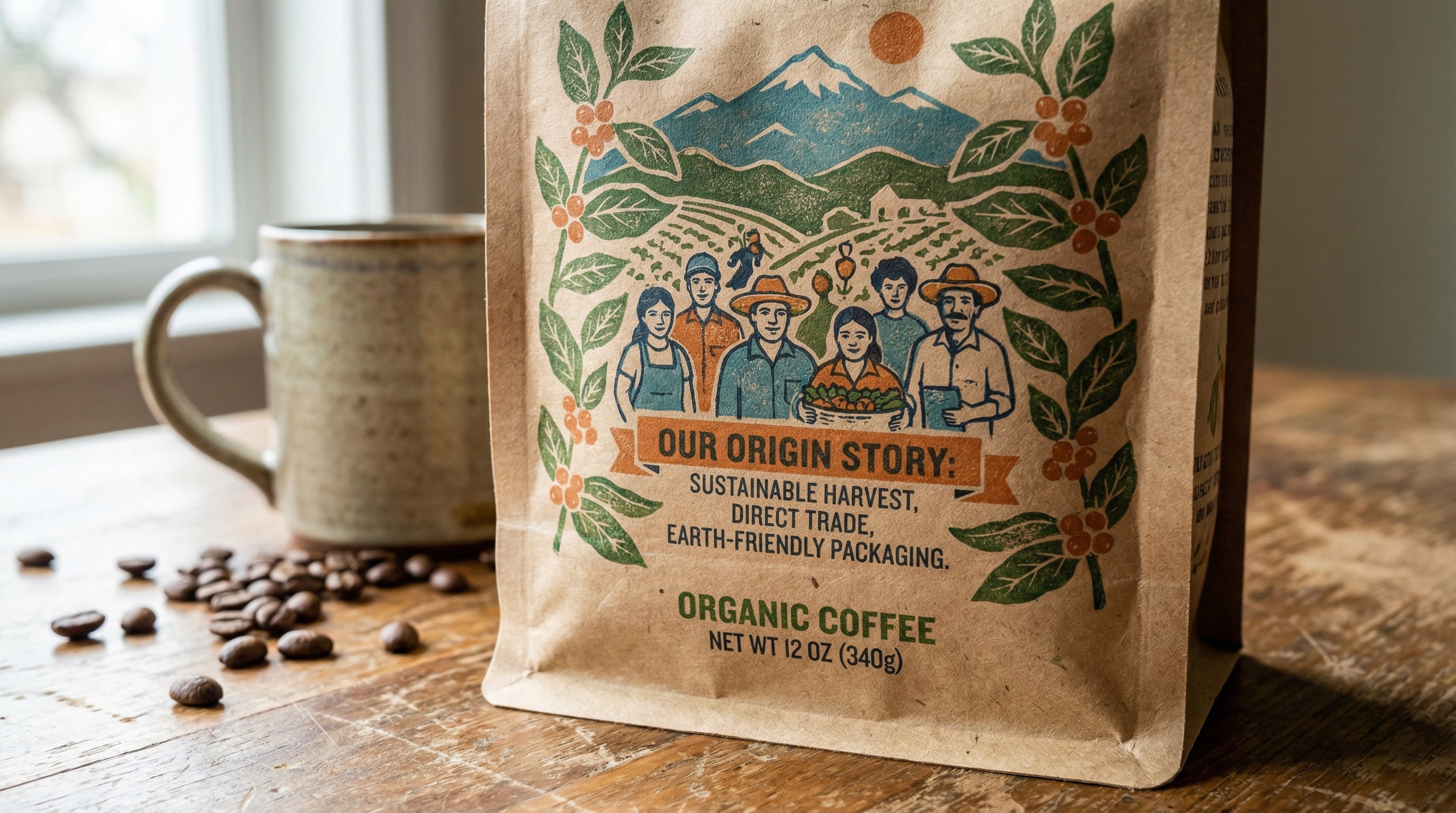
QR codes are an excellent way to bridge the gap between physical packaging and your digital sustainability story. They can link to the specific farm where the beans were grown or provide certificates showing the exact compostability of the bag.
Here is the secret.
When you give customers the “why” and “how” behind your packaging, they feel like partners in your mission. This transparency turns a simple coffee purchase into a shared environmental goal.
Origins stories connect consumers to the farmer’s hard work.
Disposal guides ensure the package ends up in the right bin.
Digital certificates prove you aren’t just using “green” buzzwords.
Transparency Tool
Function
Impact
QR Codes
Storytelling
High Engagement
Certifications
Verification
High Trust
Origin Labels
Traceability
Moderate Connection
Transparency tools transform your packaging into an interactive educational platform for your customers to explore your brand values.
Key Takeaway: Being an open book about your processes eliminates skepticism and creates a rock-solid bond with your community.
Can automation scale your sustainable coffee branding?
Automation is the engine that allows sustainable coffee branding to move from a niche offering to a global standard. By using efficient packaging machinery, you can maintain high environmental standards while producing the volumes needed to grow your business.
Does precision minimize material waste?
Automated systems are far more precise than manual bagging, ensuring that every centimeter of eco-friendly film is used effectively. Exact weighing prevents “overfilling” and product loss, while perfect seals reduce the risk of damaged goods and returns.
Think about it.
Consistency is a form of sustainability because it eliminates the errors that lead to landfill waste. The fewer mistakes your production line makes, the less waste you generate, making your operation at New Idea Pack leaner.
Precision filling ensures no coffee is wasted during the pack out.
Automated cutting minimizes film scrap between bags.
Energy-efficient motors lower the carbon cost of production.
Automation Benefit
Resource Saved
Business Result
Precision Scaling
Raw Coffee
Higher Profit Margins
Exact Cutting
Packaging Film
Lower Material Costs
Energy Efficiency
Electricity
Lower Overhead
Modern machinery is designed to be the backbone of a sustainable, high-growth coffee business that values its resources.
Key Takeaway: Scaling your sustainability requires the precision of automation to ensure that your growth doesn’t come at the cost of increased waste.
How do you measure success in sustainable coffee branding?
Measuring success in sustainable coffee branding requires looking beyond just sales figures and evaluating your total impact. You need to track metrics that prove your packaging is doing the environmental work you intended it to do.
Are customers noticing your green effort?
Tracking customer feedback and social media engagement can provide a “sentiment score” for your sustainability initiatives. Monitor mentions of your packaging in online reviews to see if consumers value the shift to compostable materials.
It gets better.
When your customers start tagging you in photos of their compost bins or recycling stations, you know your branding has successfully changed their behavior. This organic advocacy is worth more than any paid advertising campaign.
Repeat purchase rates often rise as brand trust deepens.
Social media “eco-mentions” boost your organic reach.
Reductions in landfill tonnage provide a clear environmental metric.
Metric
How to Track
Goal
Waste Reduction
Tonnage of Plastic Saved
20%+ Annual Decrease
Customer Loyalty
Repeat Purchase Rate
15%+ Increase
Brand Sentiment
Social Media Listening
Positive Eco-Mentions
A data-driven approach ensures that your sustainability efforts are actually contributing to the health of your business and the planet.
Key Takeaway: Success is measured by the shift in your brand’s perception from “just a coffee company” to a leader in the global sustainability movement.
Conclusion
Transitioning to eco-friendly packaging is the single most effective way to align your business with the future of the coffee industry. By focusing on sustainable materials, transparent storytelling, and efficient production, you create a brand that people are proud to support every morning.We believe that the best coffee shouldn’t just taste good—it should do good, and we are here to help you lead that charge for a greener tomorrow.
FAQ
Can I use compostable bags for wholesale coffee? Yes, but you must ensure they have high-barrier properties. Most modern compostable pouches are durable enough for wholesale, provided they are stored in a cool, dry place and used within the recommended shelf-life window.
What’s the best material for luxury coffee branding? The best choice is often a combination of textured kraft paper with a high-barrier PLA lining. This provides the premium, tactile feel of paper with the professional performance required to keep high-end specialty beans fresh.
How do I know if my packaging is truly sustainable? Verify your materials by looking for certifications like OK Compost or BPI. Sustainable packaging should have a clear “end-of-life” plan, whether that is being home-compostable, industrially compostable, or easily recyclable in standard streams.
Can eco-friendly packaging work with my current machines? Generally, yes, especially if you use PLA or recyclable PE films. Many modern machines are designed with the flexibility to handle various eco-friendly substrates without requiring major mechanical modifications to the production line.
What is the cost difference for sustainable materials? Initially, you may see a 10% to 20% increase in material costs compared to traditional plastic. However, this is often offset by the ability to charge a premium for your product and the long-term increase in customer loyalty.
Sales Pitch Component
If you’re ready to transform your packaging into a powerful marketing tool that protects your beans and our world!
Please contact us today to explore our specialized solutions.