The Ultimate Maintenance Checklist to Prevent Downtime
2025年10月9日 by newideapack
The ultimate maintenance checklist to prevent downtime consists of a disciplined schedule of daily cleaning, precise lubrication, and proactive component replacement. You likely know the feeling of a production line grinding to a halt right before a major deadline. It is frustrating to watch your ROI vanish due to preventable mechanical failures and worn-out seals. Fortunately, newideapack provides the professional packaging machine maintenance strategies you need to keep your facility running at peak efficiency 24/7.
Why is packaging machine maintenance vital for your ROI
Maintaining your equipment ensures high-speed operation and prevents the massive costs associated with emergency repairs. You should view every minute spent on upkeep as an investment in your company’s long-term profitability.
Will maintenance save you money?
Consistent upkeep prevents minor issues from spiraling into catastrophic engine or PLC failures. You can avoid the high price of expedited shipping for rare spare parts by catching wear early.
The best part?
Reduces emergency repair bills.
Lowens energy consumption.
Minimizes wasted packaging film.
Does it extend equipment life?
Regular attention ensures that your heavy-duty machinery operates within its designed parameters for decades. You will find that well-maintained machines retain a much higher resale value than neglected ones.
Think about it:
Prevents rust and corrosion.
Protects sensitive electronics.
Maintains structural integrity.
Key Takeaway: Prioritizing maintenance directly impacts your bottom line by extending the lifecycle of your hardware and preventing expensive emergency interventions.
Benefit Category
Impact on Business
Cost Control
Lowers unexpected repair expenses
Asset Value
Higher machinery resale worth
Efficiency
Consistent production speeds
How do you start your packaging machine maintenance daily?
Effective daily packaging machine maintenance begins with a visual inspection and a thorough cleaning of all contact surfaces. You must ensure that the environment is clear of debris before the first shift starts.
What are the top daily checks?
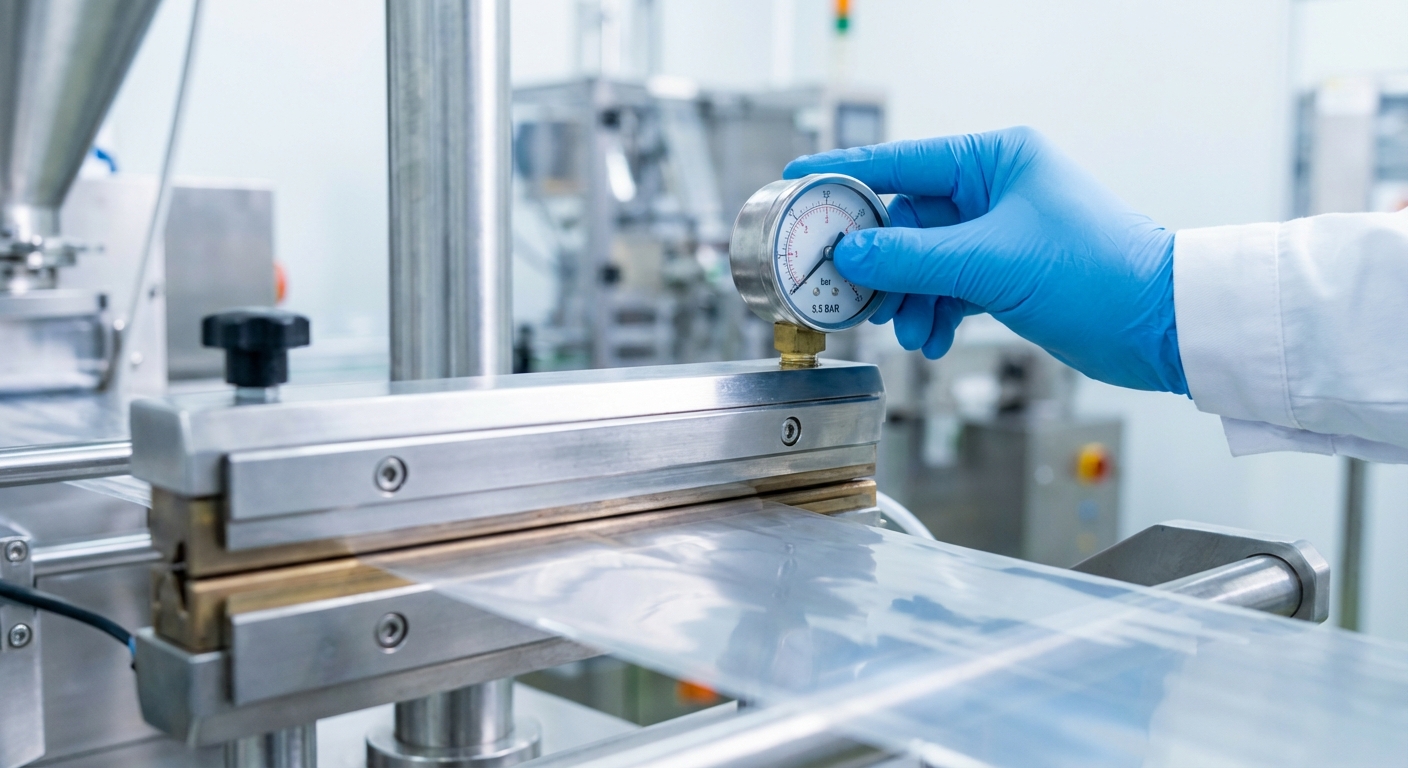
You should start by checking the air pressure levels and ensuring the heat-sealing bars are reaching the correct temperatures. Look for any loose bolts or unusual vibrations that might indicate a developing mechanical issue.
Believe it or not:
Check air pressure gauges.
Inspect sealing jaw alignment.
Verify safety sensor functionality.
Is daily cleaning necessary?
Removing dust and product residue from the sensors and forming tubes prevents accuracy errors and film jams. You will notice that a clean machine produces much more consistent aesthetic results for your brand.
Here is the deal:
Wipe down stainless steel surfaces.
Clear debris from the film rollers.
Sanitize food-contact zones.
Key Takeaway: Small daily actions prevent the accumulation of grime that leads to major sensor failures or product contamination issues.
Daily Task
Purpose
Visual Inspection
Catching loose parts early
Sensor Cleaning
Maintaining filling accuracy
Pressure Check
Ensuring seal integrity
What weekly packaging machine maintenance tasks are essential?
Weekly maintenance requires a deeper look into the mechanical drive systems and the tension of your belts or chains. You should allocate time specifically for tightening components that naturally loosen during high-speed operation.
Should you check belt tension?
Adjusting the tension of your conveyor belts and drive chains prevents slippage that can ruin your timing cycles. You can significantly reduce noise levels in your facility by keeping these parts properly aligned.
It gets better:
Check for belt fraying.
Tighten drive chain links.
Inspect motor mounts.
Why inspect electrical connections?
Checking for loose wires or signs of overheating in the control cabinet prevents sudden electrical shorts. You must ensure that all cooling fans are operational to protect the sensitive PLC components from heat damage.
But that’s not all:
Tighten terminal block screws.
Clean electrical cabinet filters.
Check for scorched wiring.
Key Takeaway: Weekly mechanical and electrical audits bridge the gap between daily care and long-term stability by addressing vibration-induced wear.
Weekly Focus
Expected Outcome
Belt Tensioning
Smoother product flow
Filter Cleaning
Prevents PLC overheating
Drive Inspection
Eliminates timing errors
How can monthly packaging machine maintenance prevent repairs?
Monthly packaging machine maintenance involves a comprehensive audit of the pneumatic systems and deep-level lubrication of internal bearings. You should use this time to verify that your machine’s timing is still perfectly synchronized.
How do you check pneumatics?
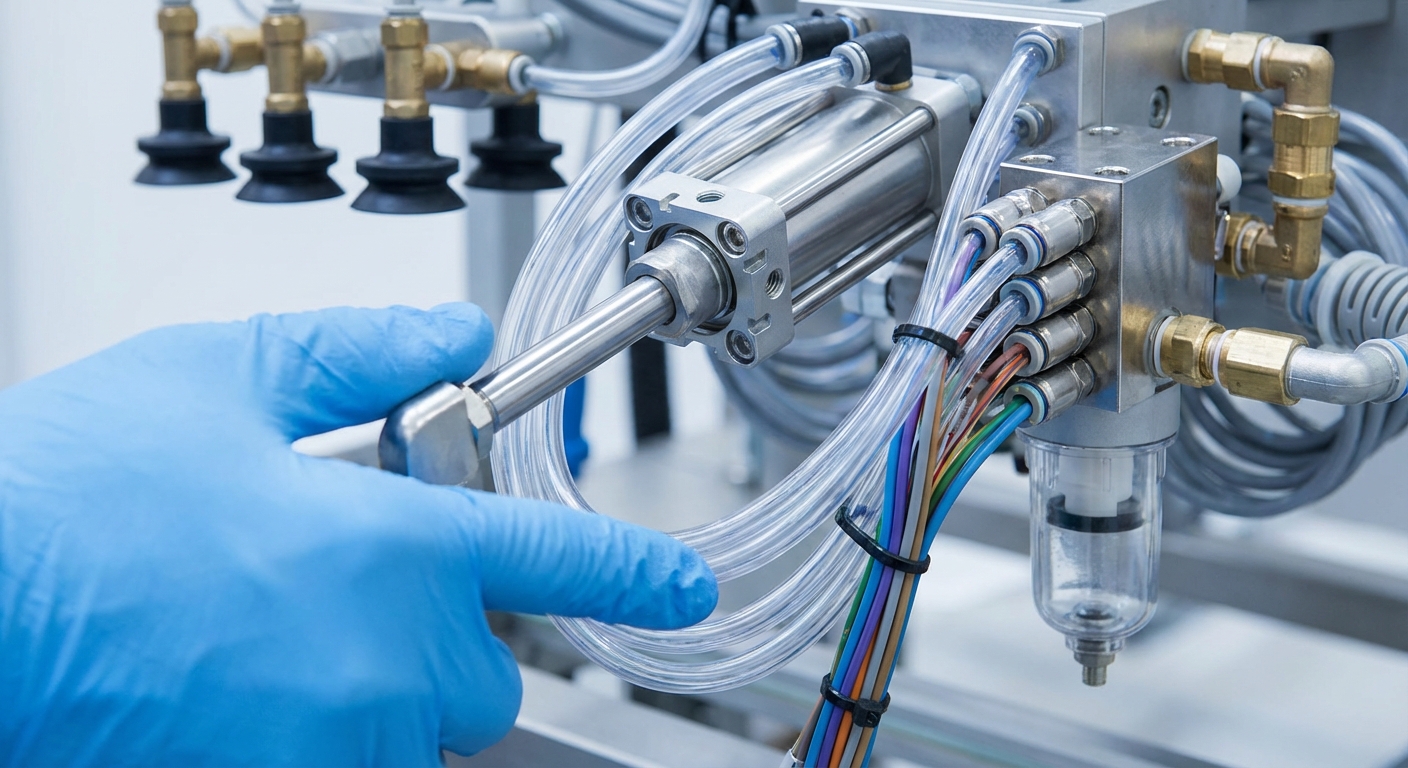
You need to inspect all air hoses for leaks and ensure that the water separators in your pneumatic line are drained. Replacing worn suction cups and vacuum filters during this stage ensures your pick-and-place systems never fail.
Want to know the secret?
Drain air filter bowls.
Check cylinders for leaks.
Replace vacuum suction pads.
Is timing calibration required?
Ensuring that the mechanical movements match the software commands prevents crashes between the sealing jaws and the product. You will achieve better weight accuracy by verifying the calibration of your multi-head weighers once a month.
Let’s dive in:
Recalibrate weighing sensors.
Test emergency stop response.
Sync film pull belts.
Key Takeaway: Monthly technical deep-dives ensure that the “brain” and the “muscles” of your machine stay in perfect harmony for complex tasks.
Monthly Audit
Performance Metric
Pneumatic Testing
Air consumption efficiency
Weigher Calibration
Filling weight precision
Timing Sync
Package per minute (PPM)
What role does cleaning play in packaging machine maintenance?
Cleaning is the foundation of maintenance because it allows you to see the actual condition of the metal and components underneath the dust. You cannot accurately inspect a machine that is covered in product residue or oil.
Can dirt cause mechanical failure?
Accumulated dust can enter sensitive bearings or clog cooling fans, leading to friction and eventual motor burnout. You should prioritize “Clean-In-Place” (CIP) procedures if you are handling powders or liquids.
How does it work?
Use approved cleaning agents.
Avoid high-pressure water on sensors.
Focus on the filling nozzles.
Does cleaning improve safety?
A clean machine reduces the risk of fires caused by dust buildup near heating elements or electrical sparks. You also protect your workers from slips and falls by keeping the surrounding floor free of leaked fluids.
The best part?
Removes flammable dust.
Eliminates slip hazards.
Improves operator visibility.
Key Takeaway: Rigorous cleaning schedules protect both your machinery’s health and your staff’s physical safety during every shift.
Cleaning Area
Tool/Method
Heat Bars
Wire brush or scraper
PLC Cabinet
Compressed air (low pressure)
Filling Tube
Sanitizing solution
Is lubrication the key to packaging machine maintenance success?
Proper lubrication is essential for packaging machine maintenance because it minimizes the friction that causes metal components to warp or snap. You must follow the manufacturer’s specifications regarding the type and amount of grease used for each part.
Which parts need grease?
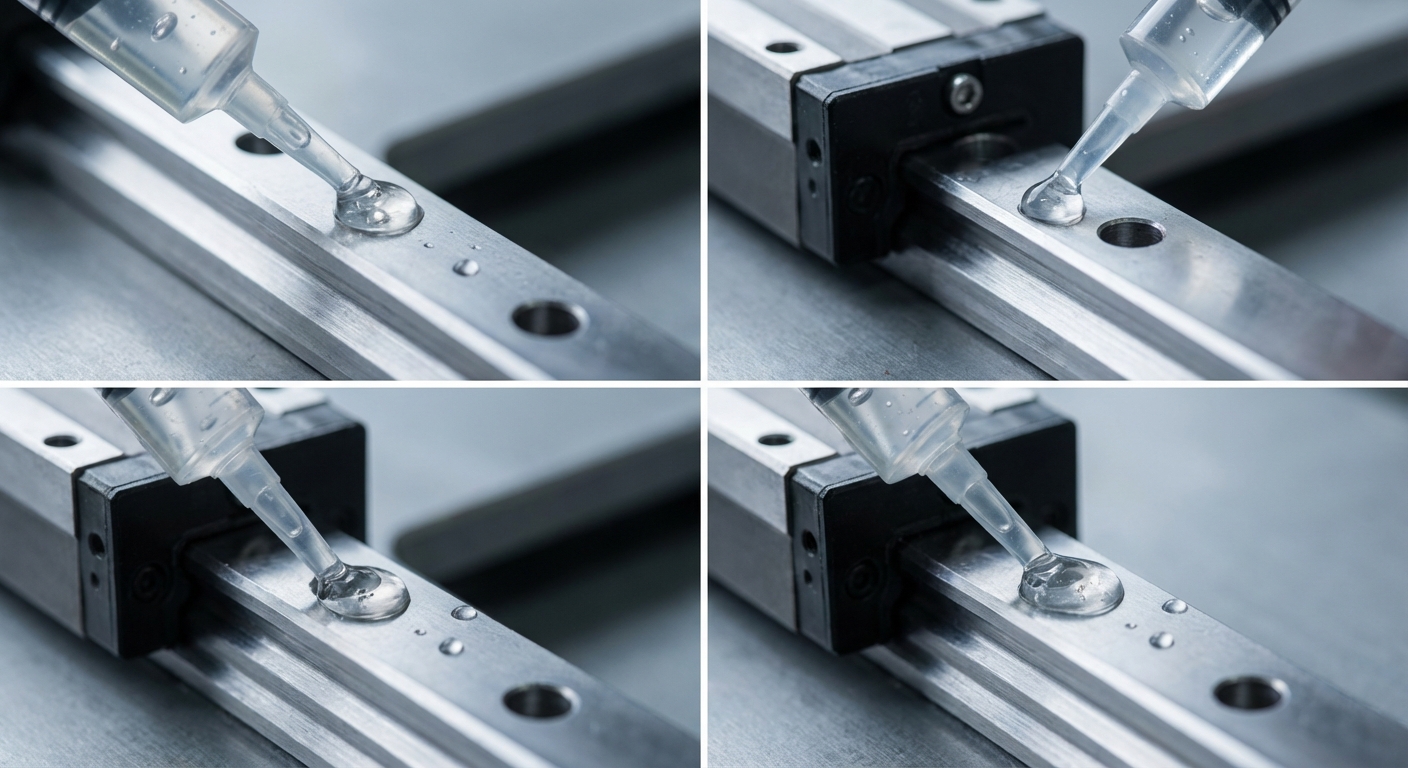
High-speed bearings, cam tracks, and sliding shafts require regular lubrication to prevent seizing during operation. You should always use food-grade lubricants if your packaging line handles consumables to maintain compliance.
Here is the deal:
Apply grease to linear rails.
Oil the drive chains.
Lubricate pivot points.
Can you over-lubricate a machine?
Applying too much grease can attract dust and create a “grinding paste” that actually accelerates the wear on your parts. You should wipe away any excess lubricant immediately after application to keep the area tidy.
Believe it or not:
Prevents dust buildup.
Reduces seal damage.
Lowers grease consumption.
Key Takeaway: Using the correct amount of food-grade lubricant ensures smooth movement and prevents the friction-based heat that destroys precision components.
Component
Lubricant Type
Bearings
Food-grade grease
Chains
Specialized chain oil
Guide Rails
Silicone-based spray
How do you manage spare parts in packaging machine maintenance?
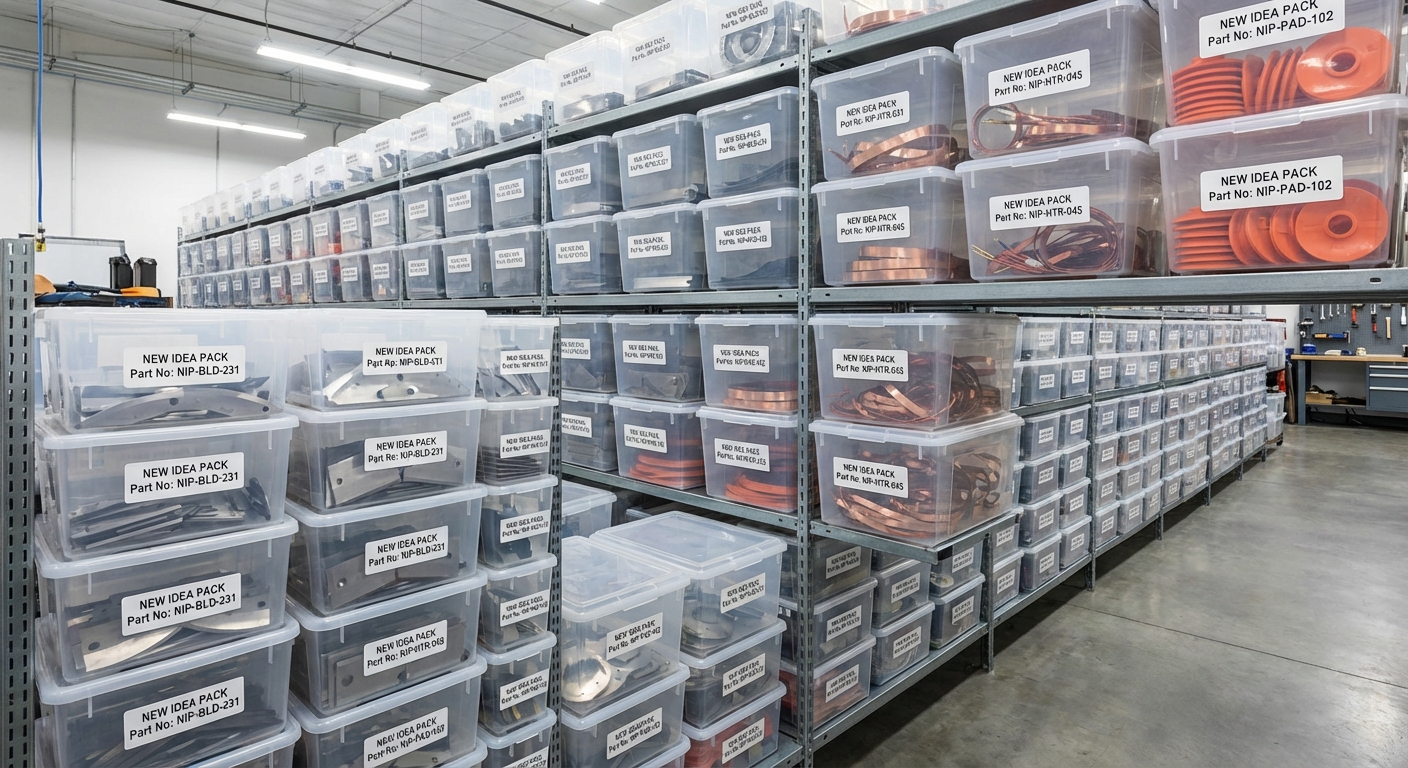
Managing your spare parts effectively means having critical “wear parts” on hand so that a simple broken seal doesn’t stop production for days. You should maintain an organized inventory system that alerts you when stock levels are low.
Which parts are “critical”?
You need to stock items like heating elements, thermocouples, and cutting blades that are designed to wear out over time. Having these available allows your team to perform repairs in minutes rather than waiting for overseas shipping.
Think about it:
Keep extra cutting knives.
Stock spare heating tubes.
Store backup rubber gaskets.
How do you organize stock?
Labeling your parts by machine model and part number ensures that technicians can find what they need during a high-pressure breakdown. You will find that newideapack provides detailed parts lists to help you organize your storage.
But that’s not all:
Use clear storage bins.
Implement a check-out system.
Audit stock levels quarterly.
Key Takeaway: A well-managed spare parts inventory is your insurance policy against long-term downtime and lost revenue.
Spare Part
Expected Lifespan
Cutting Blade
3-6 Months
Heating Ribbon
1-2 Months
Suction Cup
2-4 Months
Does training improve your packaging machine maintenance results?
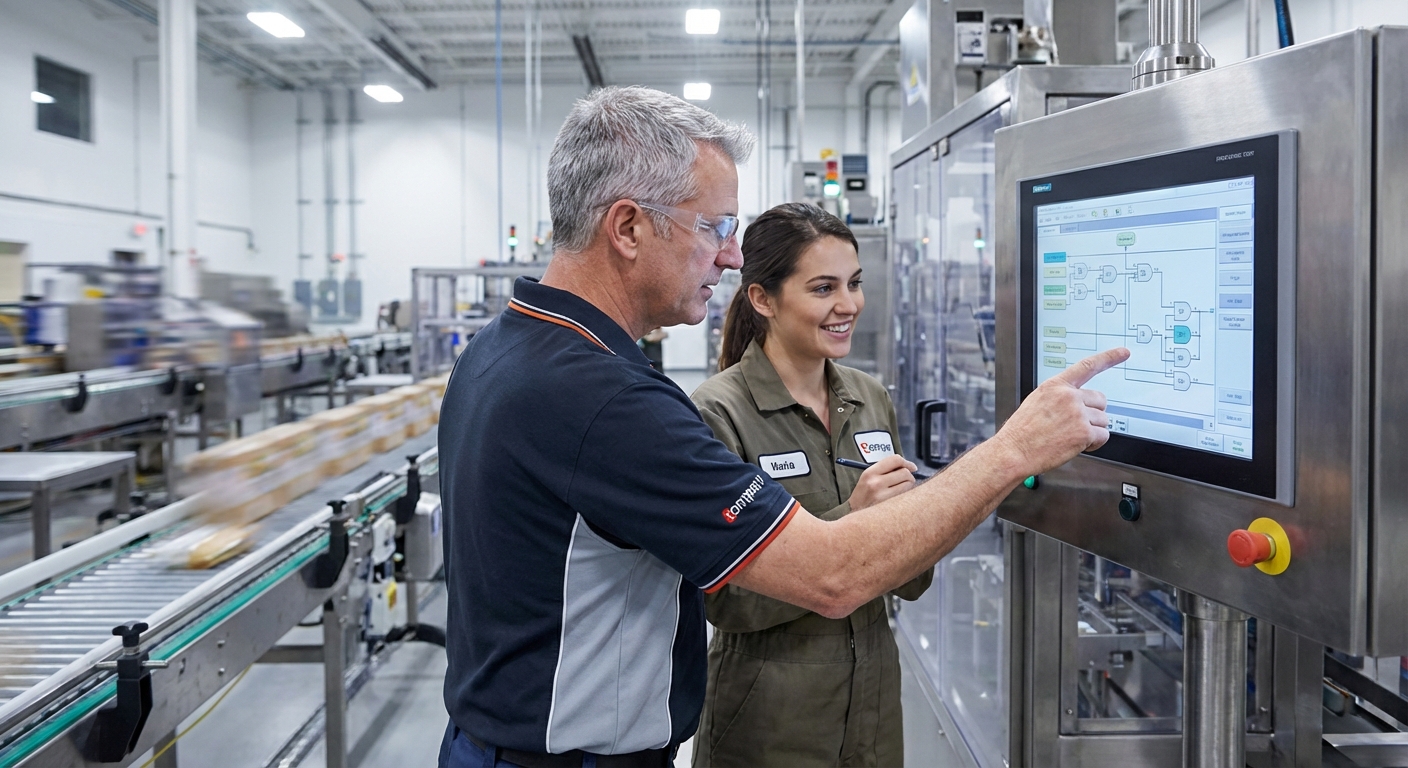
Staff training is a critical component of packaging machine maintenance because skilled operators can spot problems before they cause a shutdown. You should invest in regular workshops so your team understands the nuances of the equipment they use daily.
Who should be trained?
Both your operators and your internal maintenance technicians need to understand the specific error codes and mechanical adjustments of the machine. You can reduce human error significantly by empowering your staff with technical knowledge.
It gets better:
Operators learn basic checks.
Techs master deep repairs.
New hires get safety training.
How often is training needed?
You should conduct refresher courses whenever a software update is installed or a new machine is added to the line. You will notice a boost in morale when your employees feel confident in their ability to manage complex technology.
The best part?
Reduces operator errors.
Speeds up troubleshooting.
Increases overall safety.
Key Takeaway: Educating your workforce transforms them from simple machine users into proactive guardians of your production efficiency.
Training Level
Focus Area
Basic
Daily cleaning and safety
Intermediate
Troubleshooting error codes
Advanced
Mechanical timing and PLC
Why use software for your packaging machine maintenance?
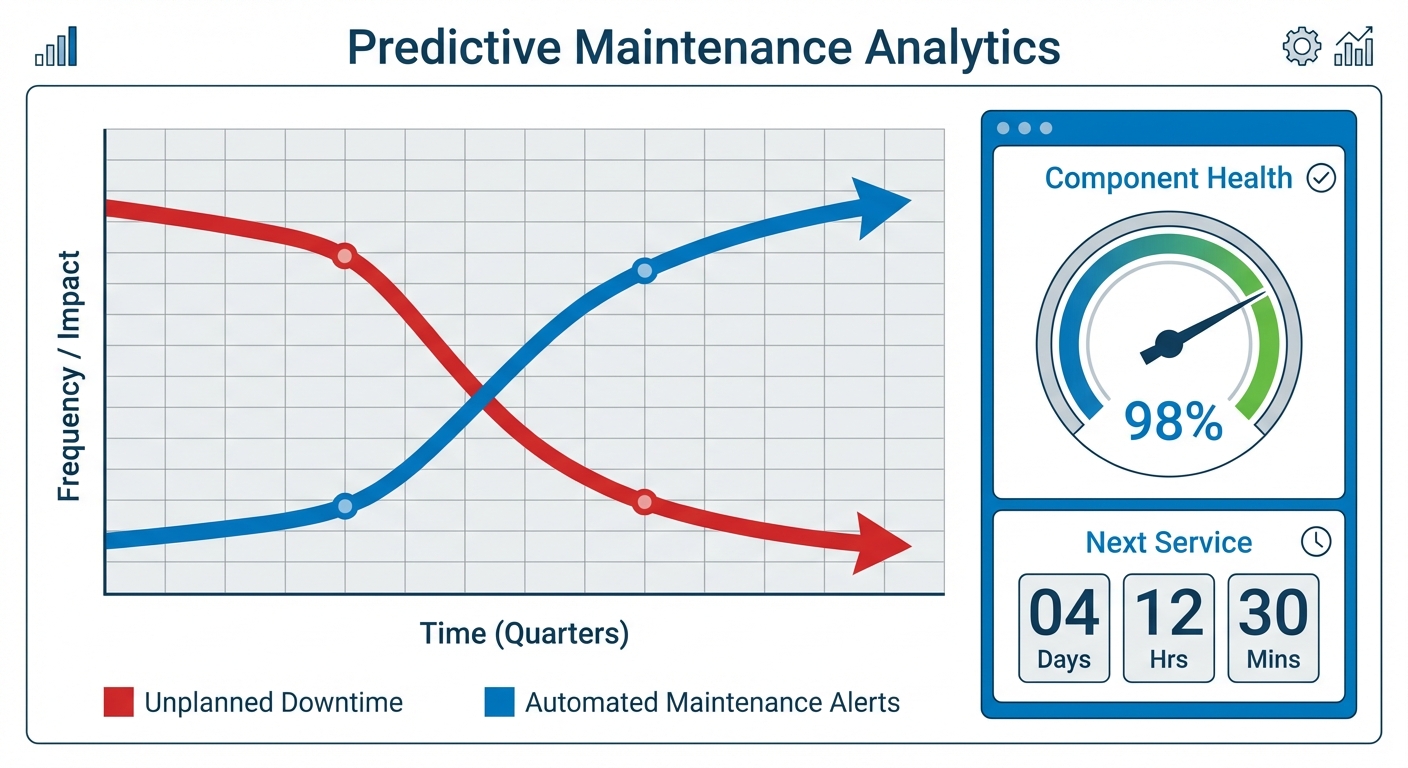
Maintenance software allows you to move from a reactive “fix-it-when-it-breaks” mindset to a proactive predictive schedule. You can use digital logs to track the history of every repair and identify recurring issues with specific components.
Can software track wear?
Digital systems can count cycles and alert you when a machine has reached the threshold for a major service or part replacement. You will find that automated reminders ensure that no small task, like oiling a bearing, is ever forgotten.
Here is the deal:
Automated maintenance alerts.
History of part replacements.
Cycle-based service triggers.
Does it help with data analysis?
You can analyze downtime data to determine if specific shifts or product types are causing more stress on the machinery. This information allows you to make data-driven decisions about future equipment purchases or process changes.
Want to know the secret?
Identifies bottleneck causes.
Tracks technician performance.
Estimates future repair costs.
Key Takeaway: Leveraging technology through maintenance management software provides the data necessary to optimize your entire facility’s uptime.
Software Feature
Practical Use
Alert System
Reminds staff of tasks
Data Logging
Identifies frequent failures
Inventory Link
Auto-orders spare parts
Can professional service help packaging machine maintenance?
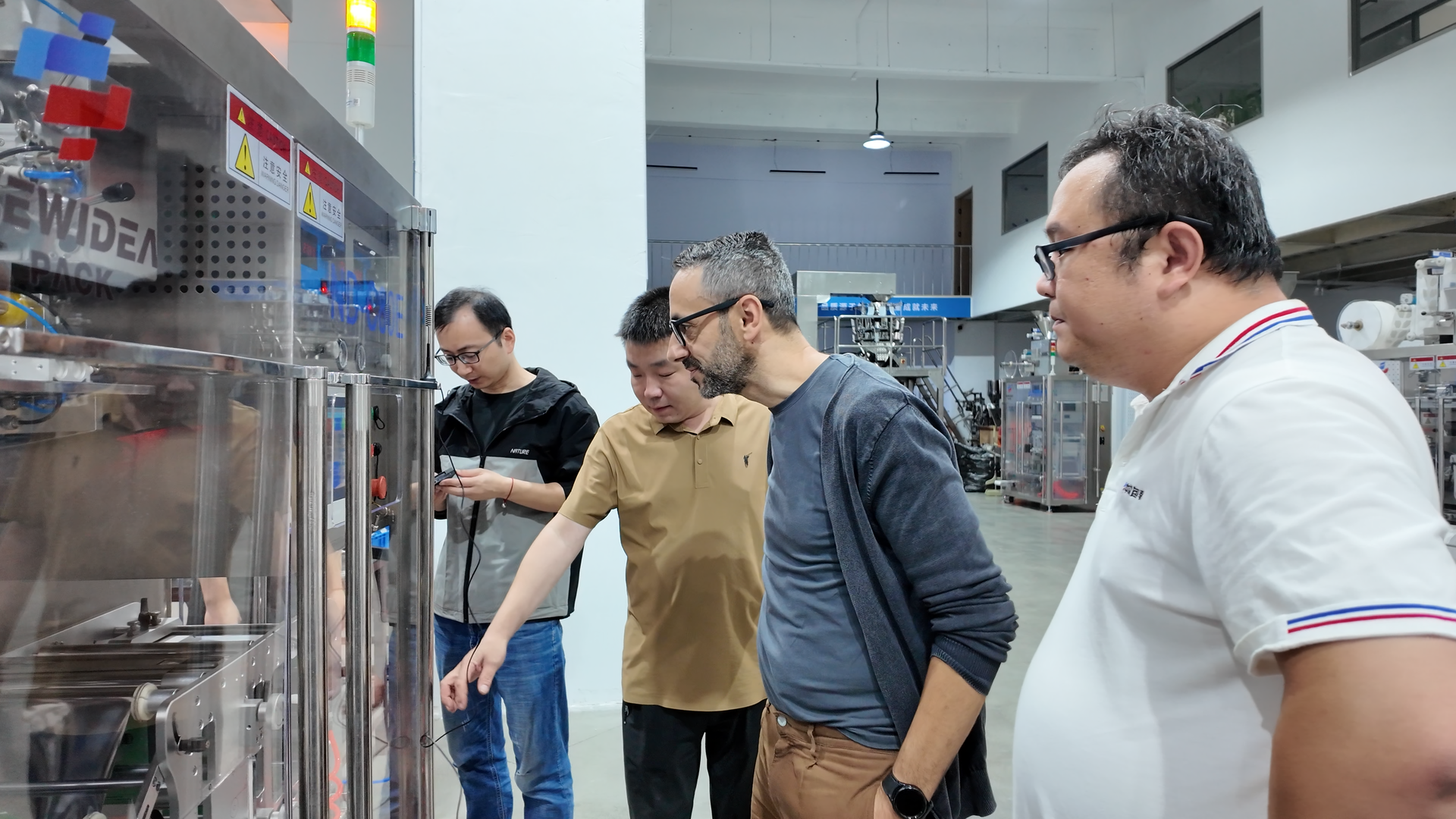
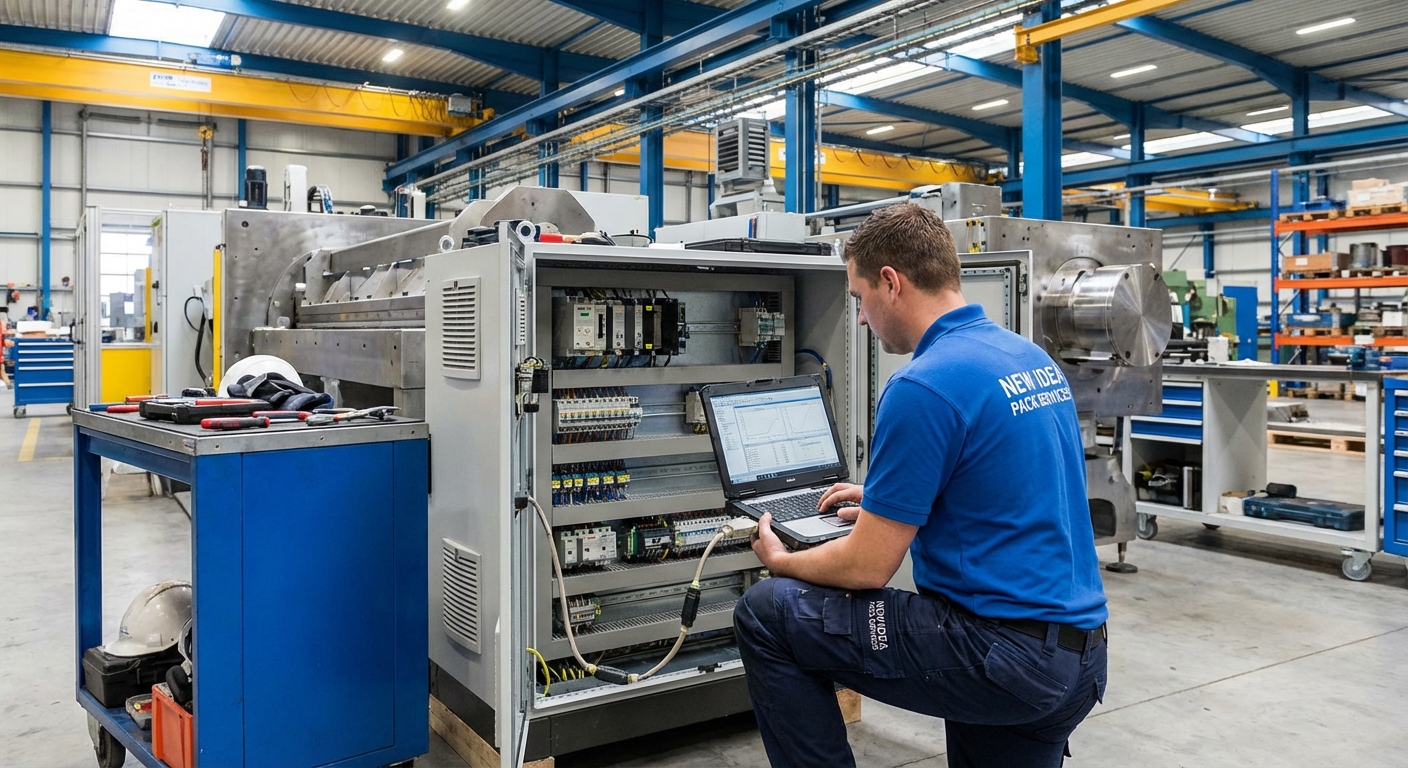
Professional service from a manufacturer like newideapack ensures that your most complex packaging machine maintenance tasks are handled by experts. You should schedule an annual or semi-annual visit from a factory-trained technician for a complete system overhaul.
Why hire a professional?
Certified technicians have specialized tools and diagnostic software that your internal team might not possess. You benefit from their experience seeing thousands of similar machines, allowing them to spot subtle issues you might miss.
Believe it or not:
Access to factory updates.
Specialized diagnostic tools.
Expert calibration services.
Is professional service cost-effective?
A single day of professional service can prevent a week of downtime, making it one of the most cost-effective decisions you can make. You also get a formal service report that can be used for insurance or quality auditing purposes.
Think about it:
Guarantees expert results.
Protects your warranty.
Provides official documentation.
Key Takeaway: Partnering with professional service teams provides a safety net that ensures your machinery always meets original factory specifications.
Service Type
Frequency
Professional Audit
Once per year
Software Update
As released
Major Overhaul
Every 2-3 years
FAQs About Packaging Machine Maintenance
Can I use any lubricant on my machines? No, you must use food-grade lubricants for any machine handling food products to ensure safety and compliance. Regular industrial grease can contaminate your product and lead to legal issues.
How do I know if my blades need replacing? You should replace them when you notice frayed edges on your packaging or if the machine requires multiple strikes to cut the film. Dull blades put extra stress on the drive motors.
Can I skip daily cleaning if the machine looks clean? No, you should never skip it because microscopic dust and residue can still interfere with sensitive optical sensors. Daily cleaning is a preventative habit, not just a response to visible dirt.
How do I track the maintenance history of my machine? The best way is to use a digital log or a dedicated CMMS software that records every service date and part replaced. This data helps you predict when the next failure might occur.
What is the most common cause of downtime? Usually, it is a lack of basic lubrication or failing to replace simple wear parts like heating elements before they burn out. Most downtime is entirely preventable through the checklists provided above.
Conclusion
Maintaining your packaging line shouldn’t be a guessing game. By following this ultimate checklist, you have the power to eliminate unexpected shutdowns, protect your equipment investment, and ensure your production targets are met every single day. We are dedicated to providing the most reliable automated solutions and support in the industry to help your business thrive.
Sales Pitch Component
If you are ready to optimize your production line or need expert assistance with your equipment
Please contact us today. At newideapack, we don’t just sell machines; we deliver the stability and innovation you need to lead your market.