The Ultimate Guide to Drip Coffee Bag: History and Global Trends
2025年12月31日 by newideapack
This comprehensive guide explores how the drip coffee bag evolved from a Japanese innovation into a global phenomenon that redefines convenience for modern specialty coffee lovers. Whether you are a brand owner looking for packaging solutions or a coffee enthusiast, understanding this journey reveals why this format is the future of the industry.
Why Is the Drip Coffee Bag Dominating the Modern Market?
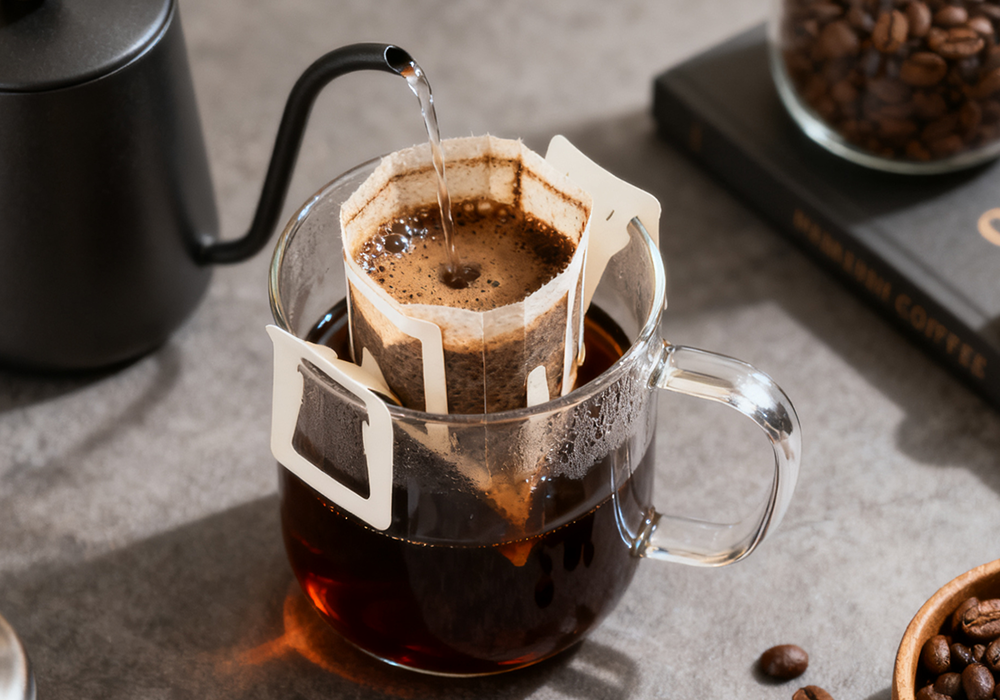
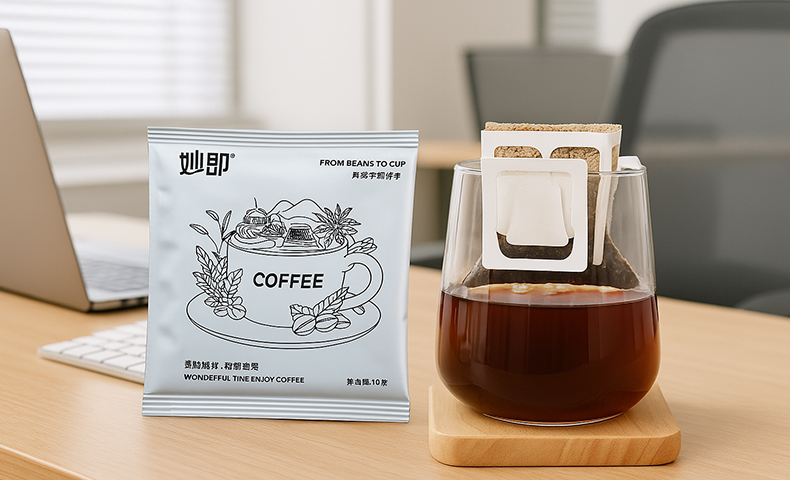
The drip coffee bag has transformed the global beverage landscape by offering a premium pour-over experience that fits into a pocket or purse. You no longer have to choose between the speed of instant coffee and the complex flavors of a traditional manual brew.
But wait, there’s more to it than just speed.
What Makes the Portable Pour-Over Experience So Unique?
Have you ever wondered why these small filters produce such a clean cup of coffee? Unlike instant granules, the high-quality mesh allows for optimal water flow and sediment filtration.
Portability: Perfect for office use, camping trips, or hotel stays.
Precision: Pre-measured grounds ensure a consistent taste every single time.
Simplicity: No bulky grinders, scales, or gooseneck kettles are required.
Think about this: you are essentially carrying a professional barista’s setup in a flat, lightweight envelope.
The Ultimate Guide to Drip Coffee Bag: History and Global Trends
How Does Innovative Packaging Preserve Specialty Freshness?
The secret to a great drip coffee bag lies in its protective outer layer and modified atmosphere packaging. Most premium brands use nitrogen flushing to remove oxygen, which prevents the delicate coffee oils from turning rancid.
Oxygen Barrier: Multi-layer foils keep external elements out.
Aroma Retention: Ultrasonic sealing locks in the volatile scent compounds.
Key Takeaway: For your business, choosing the right packaging technology ensures that your customers enjoy “roastery-fresh” flavor months after the production date.
Feature
Benefit to Consumer
Nitrogen Flushing
Extends shelf life up to 12 months
Ultrasonic Sealing
Ensures no glue or chemicals affect taste
This data confirms that the technical integrity of the bag is just as important as the beans inside.
What Is the History and Evolution of the Drip Coffee Bag?
The drip coffee bag originated in Japan during the 1990s as a response to the growing demand for high-quality coffee in a fast-paced urban environment. It was a revolutionary leap from the “tea bag” style coffee, which often resulted in over-extracted and muddy flavors.
Here is the interesting part.
Where Did the Original Concept Actually Begin?
Did you know that the first designs featured a single hook rather than the two-sided “ears” we see today? You can trace the development back to innovators who wanted to replicate the drip-pot method without the cleanup.
1990: Initial patent for the one-sided hanger design in Japan.
2001: The launch of the modern “three-point” support system for better stability.
It wasn’t long before this design took over the entire Asian market.
How Did It Achieve Global Expansion in the West?
As specialty coffee culture grew in Europe and North America, the drip coffee bag gained traction as a sustainable and premium alternative to plastic pods. You can now find these bags in boutique cafes from London to Los Angeles.
Third-Wave Movement: Roasters use them to showcase single-origin beans.
Subscription Models: The flat shape makes them ideal for low-cost mailing.
Key Takeaway: Understanding the history helps you appreciate that this format is a refined tool for quality, not just a cheap convenience.
Era
Key Development
1990s
Focus on basic functionality and convenience
2020s
Focus on specialty beans and eco-friendly filters
This progression shows how a simple tool evolved into a sophisticated vessel for the world’s best coffees.
What Are the Future Trends for the Drip Coffee Bag?
The drip coffee bag industry is currently pivoting toward extreme sustainability and full-scale automation to meet soaring global demand. You will notice that the market is moving away from generic blends toward highly specific, traceable coffee experiences.
The best is yet to come.
Can Eco-Friendly Materials Change the Industry?
Are you ready for a world where every part of your coffee packaging is fully compostable? Manufacturers are now developing biodegradable filters and recyclable outer sachets that do not compromise the barrier properties.
PLA Filters: Plant-based materials that break down naturally.
Recyclable Foils: Reducing the carbon footprint of every cup brewed.
This shift is driven by a global consumer base that demands environmental responsibility.
Is Automation Scaling the Drip Coffee Bag Production?
To keep up with the volume, brands are investing in high-speed drip coffee bag packing machines that handle everything from weighing to nitrogen injection. This technology allows smaller roasters to compete on a global scale.
Efficiency: Machines can produce up to 50-60 bags per minute.
Accuracy: Digital sensors ensure precise weight for every single unit.
Key Takeaway: Embracing automation and green materials is the only way for your brand to stay competitive in the next decade.
Trend
Market Impact
Compostability
Increases brand loyalty among Gen Z consumers
Automation
Lowers the unit cost for large-scale distribution
These trends indicate that the industry is maturing into a more sustainable and technologically advanced sector.
How Does the Drip Coffee Bag Differ from Instant Coffee?
The drip coffee bag offers a real coffee experience because it contains actual ground beans rather than dehydrated coffee extract. You will notice a significant difference in the complexity of the aroma and the clarity of the cup.
It is time to upgrade your routine.
Why Is Real Ground Coffee Superior to Soluble Powder?
The Ultimate Guide to Drip Coffee Bag: History and Global Trends
Have you ever felt disappointed by the flat, bitter taste of instant coffee? Ground coffee retains the natural oils and acids that provide the unique “terroir” of the growing region.
Complex Acids: Bright citrus or berry notes are preserved.
Mouthfeel: A richer, more satisfying body compared to watery instant drinks.
Using real grounds makes a massive difference in your daily ritual.
Can You Really Taste the Difference in Quality?
The drip coffee bag utilizes a gravity-based extraction method that mimics professional manual brewing. This allows for a clean separation of the grounds from the final liquid.
Clarity: No sediment or sludge at the bottom of the cup.
Aroma: The “bloom” occurs just like it does in a cafe.
Key Takeaway: Moving from instant to drip bags is the easiest way to improve your coffee quality without buying a machine.
Method
Coffee Type
Brewing Style
Instant
Dehydrated Extract
Dissolvable
Drip Bag
Fresh Ground Beans
Filtration
This comparison highlights why the filtration method is preferred by specialty coffee lovers.
Can a Drip Coffee Bag Support Specialty Coffee Beans?
The drip coffee bag has become the preferred format for “Third Wave” roasters who want to offer single-origin beans to a wider audience. You can now enjoy Gesha or Ethiopian Yirgacheffe coffee with incredible ease.
Quality is no longer restricted to the cafe.
How Do Roasters Maintain Single-Origin Integrity?
Do you worry that pre-ground coffee loses its character too quickly? Roasters solve this by grinding and sealing the coffee within minutes to prevent oxidation.
Freshness: Immediate sealing locks in the flavor profile.
Traceability: Labels often include farm names and roast dates.
This ensures that the unique story of the bean reaches your cup.
Why Is Grind Size Critical for This Format?
The drip coffee bag requires a specific medium-fine grind to ensure the water flows at the correct speed. If the grind is too coarse, the coffee will be weak; if too fine, it will clog.
Surface Area: Optimized for a 2-minute steep time.
Key Takeaway: The precision in grinding allows specialty beans to shine even in a portable format.
Factor
Impact on Flavor
Grind Size
Controls extraction time and strength
Origin
Determines the core flavor notes (floral, nutty, etc)
These elements work together to create a barista-level cup anywhere in the world.
What Is the Secret to a Perfect Drip Coffee Bag Brew?
The drip coffee bag is incredibly simple to use, but a few small adjustments to your technique can elevate the flavor from “good” to “extraordinary.” You have the power to control the strength and temperature for a customized experience.
Master the art of the pour.
Is Water Temperature Really That Important?
Have you ever wondered why your coffee tastes too bitter? Using boiling water can “burn” the grounds, so you should aim for a slightly cooler temperature.
Sweet Spot: 90°C to 94°C is ideal for most roasts.
Effect: Highlights sweetness and reduces harsh bitterness.
A small change in temperature can reveal hidden flavor notes.
How Should You Manage the Pouring Technique?
The drip coffee bag benefits from an initial “bloom” pour where you just wet the grounds and wait 30 seconds. This releases trapped gases and prepares the coffee for full extraction.
The Bloom: Enhances the overall aromatic complexity.
Slow Circles: Ensures all grounds are evenly saturated.
Key Takeaway: Taking an extra minute to pour slowly will significantly improve the richness of your brew.
Step
Action
Time
Bloom
Wet grounds slightly
30 Seconds
Main Pour
Fill filter to the top
60 Seconds
Following this simple ritual guarantees a much more professional result.
How Does Drip Coffee Bag Production Work for Brands?
The drip coffee bag manufacturing process is a marvel of modern engineering, combining food science with high-speed mechanical precision. You will find that the best brands use fully integrated systems to ensure hygiene and quality.
Let’s look behind the curtain.
What Machines Are Used for Large Scale Packing?
Do you know how thousands of these bags are made every hour? Specialized ultrasonic packing machines handle the delicate filter material without using any glue or heat that could affect flavor.
Speed: Modern lines produce 3,000+ units per hour.
Reliability: Automated sensors reject any bag that isn’t perfectly sealed.
This technology allows brands to scale up their production rapidly.
Why Is Nitrogen Flushing Essential in Production?
The drip coffee bag would lose its flavor in days without nitrogen flushing. This process replaces oxygen with an inert gas to stop the aging process of the ground coffee.
Longevity: Extends the best-before date significantly.
Quality Control: Residual oxygen levels are kept below 1%.
Key Takeaway: Investing in high-quality packing machinery is the foundation of a successful coffee brand.
Machine Feature
Benefit
Ultrasonic Sealing
Cleaner taste and stronger seams
Auger Filler
High precision in coffee weight
Proper equipment ensures that every bag your customer opens is as fresh as the day it was roasted.
Are Drip Coffee Bag Materials Safe and Non-Toxic?
The drip coffee bag is made from food-grade materials that are designed to withstand high temperatures without leaching chemicals. You can feel confident that your daily cup is safe as long as the manufacturer follows international standards.
Safety is a top priority for premium brands.
What Is the Filter Paper Actually Made Of?
Have you ever worried about microplastics in your coffee? Most high-quality filters are made from non-woven fabric or PET/PLA fibers that are certified food-safe.
Heat Resistance: Designed to stay stable at 100°C.
Neutrality: Does not add any “papery” taste to the brew.
These materials are tested rigorously before they ever reach your cup.
How Do Brands Ensure Compliance with Food Standards?
The drip coffee bag industry follows strict FDA and EU regulations regarding food contact materials. Manufacturers must provide certificates of analysis for every batch of filter material.
Certifications: ISO and SGS testing are industry standards.
Cleanroom Production: Minimizes contamination during the packing process.
Key Takeaway: Choosing a reputable supplier ensures that your coffee packaging meets all global safety requirements.
Material Type
Safety Status
Non-woven Fabric
Food-grade and BPA free
Medical Grade Paper
High purity and odorless
Checking for these certifications gives you and your customers peace of mind.
Why Is the Drip Coffee Bag So Popular in Offices?
The drip coffee bag has become the ultimate “desk-side” companion for professionals who want better coffee than the breakroom pot. You can enjoy a gourmet break without even leaving your chair.
Upgrade your workday experience easily.
Is It More Efficient Than a Traditional Coffee Break?
Do you find yourself wasting 15 minutes waiting in line at a cafe? With a portable filter, you only need hot water and two minutes to have a fresh cup.
Zero Cleanup: Just toss the used bag in the bin.
No Shared Equipment: Avoid the mess of a communal coffee machine.
It’s the most hygienic way to drink coffee in a shared space.
Can It Help Improve Employee Productivity?
The drip coffee bag provides a ritual that helps people focus. Providing high-quality coffee is also a great way for companies to show they care about employee well-being.
Focus: Better caffeine quality leads to better mental clarity.
Morale: Small perks make a big difference in daily happiness.
Key Takeaway: For office managers, stocking these bags is a cost-effective way to boost office culture.
Office Option
Cleanup Time
Quality Level
Drip Bag
0 Minutes
High
Shared Pot
10 Minutes
Low
The efficiency of this format makes it the logical choice for modern workplaces.
What Are the Environmental Impacts of a Drip Coffee Bag?
The drip coffee bag industry is under pressure to reduce waste, and the response has been a surge in sustainable innovation. You can now find options that balance convenience with a commitment to the planet.
Sustainability is the new standard.
Are There Fully Compostable Options Available?
Have you looked for “green” alternatives to traditional filters? Many brands are switching to cornstarch-based PLA filters that can be composted in industrial facilities.
Bio-degradable: Breaks down into natural elements.
Plant-based: Reduces the reliance on petroleum-based plastics.
This makes the “guilt-free” cup of coffee a reality.
How Can Brands Reduce Outer Packaging Waste?
The drip coffee bag requires an outer sachet for freshness, but these are now being made from recyclable mono-materials. This simplifies the recycling process for the end consumer.
Mono-material: Easier for recycling centers to process.
Minimalist Design: Using less material without losing the barrier.
Key Takeaway: As a business, adopting eco-friendly packaging is a powerful way to attract environmentally conscious customers.
Component
Sustainable Version
Filter
PLA (Compostable)
Outer Bag
Recyclable PE
These advancements show that convenience does not have to come at the expense of the earth.
Can a Drip Coffee Bag Be Used for Cold Brew?
The drip coffee bag is surprisingly versatile and can even be used to create a smooth, refreshing cold brew. You just need to change your perspective on the brewing time.
Try something new this summer.
How Do You Make Cold Brew Using a Drip Bag?
Did you know you can just drop the bag into a glass of cold water? If you leave it in the fridge overnight, you will have a concentrated cold brew by morning.
Method: Submerge the bag in 150ml of cold water.
Steep Time: 8 to 12 hours is the sweet spot.
It is the easiest cold brew method ever invented.
Why Does Cold Extraction Taste So Different?
The drip coffee bag used with cold water avoids extracting the bitter oils that heat usually brings out. This results in a much sweeter, chocolatey flavor profile.
Low Acidity: Much easier on the stomach than hot coffee.
Natural Sweetness: The slow process pulls out subtle sugars.
Key Takeaway: Don’t limit yourself to hot water; your favorite bag is a multi-seasonal tool.
Temperature
Brew Time
Flavor Profile
Hot (92°C)
2 Minutes
Bright and Aromatic
Cold (5°C)
10 Hours
Sweet and Mellow
The versatility of the filter bag makes it a year-round essential.
How Do You Store a Drip Coffee Bag Properly?
The drip coffee bag is designed for a long shelf life, but how you store it can still affect the final taste. You should keep them away from the “four enemies” of coffee: light, heat, moisture, and air.
Keep your stash fresh for longer.
What Is the Ideal Environment for Storage?
Have you been keeping your coffee in the fridge? That is actually a mistake because moisture can seep into the bags and ruin the flavor.
Cool and Dry: A dark pantry or cupboard is best.
Air-tight: Keep the sachets inside their original box.
Proper storage ensures the nitrogen seal remains effective.
Does the Outer Foil Sachet Really Work?
The drip coffee bag relies on the integrity of that outer sachet. As long as it isn’t punctured, the coffee inside will stay fresh for up to a year.
Light Proof: Foil blocks UV rays that degrade coffee.
Oxygen Barrier: Prevents the coffee from going stale.
Key Takeaway: Check the seals of your bags occasionally to ensure you are getting the freshest possible brew.
Enemy
Protection Method
UV Light
Aluminum Foil Layer
Oxygen
Nitrogen Flushing
By understanding these protections, you can ensure every cup tastes like it was just roasted.
Is the Drip Coffee Bag Cost-Effective for Consumers?
The drip coffee bag sits in a “sweet spot” between expensive cafe drinks and cheap home-brewed pots. You will find that the price-per-cup offers incredible value when you consider the quality of the beans.
Gourmet coffee doesn’t have to be expensive.
How Does the Price Compare to Cafe Pour-Overs?
Do you spend $5 or more at a specialty coffee shop every day? A premium drip bag usually costs less than $1.50, saving you a fortune over a year.
Savings: Save over $1,000 annually by switching.
Value: You get the same single-origin beans for a fraction of the price.
It is a smart financial move for any coffee lover.
Why Is It a Better Investment Than Pod Machines?
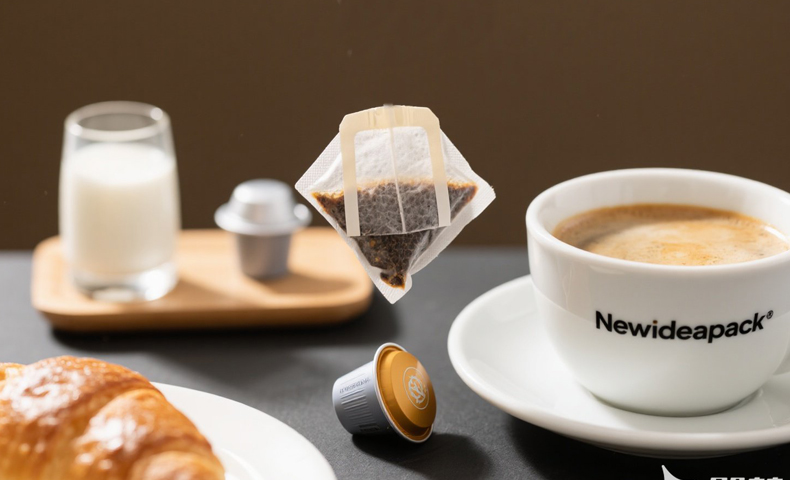
The drip coffee bag doesn’t require you to buy an expensive, plastic-heavy machine. You also avoid the maintenance and descaling costs associated with pod systems.
No Equipment Cost: Just a mug and a kettle.
Flexibility: You can switch brands and origins without being “locked in.”
Key Takeaway: Choosing drip bags is a low-risk, high-reward way to enjoy specialty coffee on a budget.
Method
Initial Cost
Price Per Cup
Cafe
$0
$5.00+
Drip Bag
$0
$1.00 – $1.50
The math clearly shows that this is the most economical way to drink high-quality coffee.
Why Should Brands Customize Their Drip Coffee Bag?
The drip coffee bag is a powerful marketing tool because it acts as a “miniature billboard” for your brand. You can use the packaging to tell your story and build a loyal community of customers.
Your packaging is your silent salesman.
How Does Custom Printing Enhance Brand Loyalty?
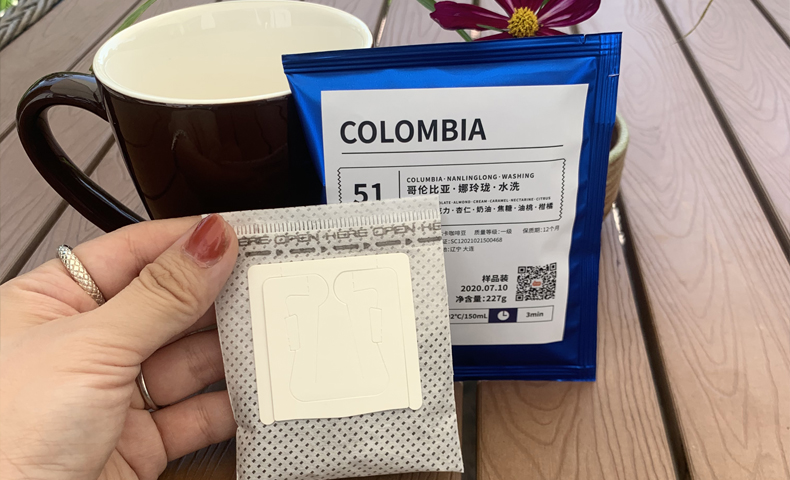
Have you thought about how much space you have for storytelling on a sachet? You can include QR codes, brewing tips, and beautiful artwork that reflects your brand’s personality.
Engagement: QR codes can lead to videos of the coffee farm.
Aesthetics: High-quality printing makes the product feel “giftable.”
This turns a simple beverage into a memorable experience.
The Ultimate Guide to Drip Coffee Bag: History and Global Trends
Can Custom Shapes and Sizes Attract More Customers?
The drip coffee bag can be customized with different hanger designs to fit various cup sizes. Offering a unique “look” can help you stand out on a crowded retail shelf.
Differentiation: A unique hanger design is instantly recognizable.
Utility: Larger bags for “extra-strong” lovers.
Key Takeaway: Customization allows you to charge a premium price by creating a perceived value that goes beyond just the coffee.
Custom Element
Marketing Value
QR Codes
Connects customers to your digital content
Matte Finish
Provides a premium, high-end tactile feel
Using these tools effectively will help your brand dominate the local market.
Conclusion
The journey of the coffee industry proves that the demand for quality and convenience will always drive innovation. By mastering the history and technology behind the format, you can better position your brand to meet the needs of today’s discerning drinkers. We are committed to helping you navigate these trends with cutting-edge packaging solutions that protect your product and the planet. To see how we can elevate your production, please contact us today. Our team is ready to provide the machinery and expertise to turn your vision into a reality, ensuring your brand stands out in the competitive global market.
FAQ
Can I use the same bag for a second cup?
No, it is not recommended. Drip filters are designed for a single extraction to ensure the flavor profile is balanced; a second use will result in a weak, bitter, and over-extracted taste.
What’s the best water temperature for brewing?
The ideal range is between 90°C and 94°C. Water that is boiling hot can scorch the delicate coffee grounds, while water that is too cool will fail to extract the full complexity of the beans.
How do I know if the bag is still fresh?
Check for a “puffy” feel to the outer sachet. A slightly inflated sachet often indicates that nitrogen flushing was used to displace oxygen, which is a great sign that the aroma has been preserved.
Can I brew this without a gooseneck kettle?
Yes, you absolutely can. While a gooseneck kettle provides more control, the design of the filter is forgiving enough that a standard carafe or even a steady hand with a regular kettle will produce excellent results.
How do I know if a filter is eco-friendly?
Look for the PLA or “Compostable” certification on the packaging. Genuine eco-friendly filters are made from plant-derived fibers like cornstarch and will explicitly state their industrial compostability.