How to Boost Production Efficiency With Professional Packaging Machines
2025年12月30日 by newideapack
Manual packaging workflows frequently generate excessive labor expenses and irregular product protection, which inevitably creates industrial bottlenecks that hinder your ability to scale effectively in competitive markets. These operational failures often result in damaged goods and compromised professional reputations when poorly sealed batches reach your high-value clients or retail partners without warning. Transitioning to integrated automated systems provides the definitive answer for streamlining your facility while ensuring 100% data traceability and significant material savings for a rapid return on investment. With over fifteen years of specialized industrial engineering experience and successful deployments across eighty countries, our analysis serves as the premier guide for selecting high-performance machinery that eliminates manual error.
Why are Packaging Machines vital for modern B2B growth?
Packaging Machines are vital because Packaging Machines facilitate a seamless transition from expensive, error-prone manual labor to high-precision automated systems that maintain consistent quality across thousands of production cycles. By integrating modern Packaging Machines into your facility, you can significantly reduce raw material consumption while simultaneously increasing your output to meet the surging demands of global supply chains. Here is the deal. Automation serves as the foundational bridge between local manufacturing and large-scale international distribution by removing human variability from the sealing and filling processes. This strategic investment protects your profit margins by ensuring every package meets rigorous safety standards without requiring the overhead of massive manual crews.
Automated precision eliminates the variability associated with human fatigue.
Lean technology reduces film and adhesive waste by up to thirty percent.
High-speed cycles allow for rapid fulfillment of large-volume corporate orders.
Stainless steel construction ensures compliance with international hygiene regulations.
Key Takeaway: Professional automation is no longer an optional luxury but a mandatory requirement for maintaining industrial competitiveness and safety.
Growth Metric
Manual Operation
Automated System
Hourly Throughput
200 – 500 units
3,000 – 6,000 units
Material Waste
5% – 8%
Less than 0.5%
Labor Intensity
Extremely High
Minimal Supervision
Analyze this comparative data to understand how upgrading your facility can transform your annual production efficiency and bottom-line profitability.
How do Filling and Capping Packaging Machines handle liquids?
Filling and capping machines handle liquids by utilizing sophisticated volumetric or gravimetric sensors to dispense exact product quantities into containers before applying precise torque to secure every closure. These systems are specifically engineered to manage diverse viscosities, ranging from thin water-like fluids to thick industrial pastes, without experiencing the dripping or overflow issues that plague manual pouring. You might be wondering. Does the machine adjust for foaming or high-viscosity products during high-speed operation? Specialized diving nozzles and piston pumps ensure that even difficult substances are bottled with millimeter precision to prevent product giveaway and maintain a clean production environment.
Volumetric pistons provide accurate dosing for consistent liquid viscosities.
Diving nozzles prevent foaming by filling from the bottom of the container.
Rotary capping heads apply consistent torque to prevent leakage during shipping.
Stainless steel pumps allow for rapid cleaning and product changeovers.
Key Takeaway: Liquid handling accuracy is the primary factor in preventing expensive product giveaway and ensuring consumer safety through secure capping.
Boost Production Efficiency With Professional Packaging Machines
Liquid Category
Best Filling Method
Capping Torque
Thin Water/Alcohol
Overflow Filling
Low-Medium
Heavy Oils/Syrups
Piston Filling
High-Precision
Foaming Chemicals
Diving Nozzle
Tamper-Evident
Selecting the appropriate pump and nozzle configuration ensures that your liquid products are bottled with industrial precision and aesthetic uniformity.
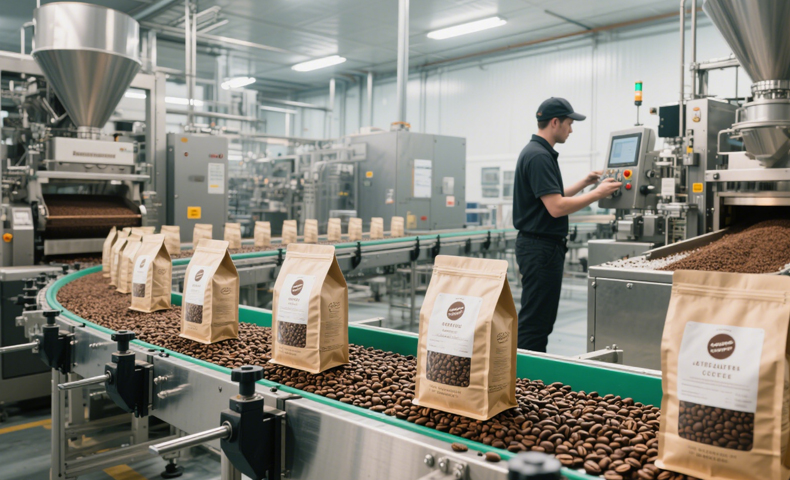
Vertical Form-Fill-Seal technology is vital because it integrates the creation of bags, product dosing, and final sealing into a single continuous movement that maximizes floor space. Utilizing these integrated Packaging Machines allows you to transform flat film rolls into finished pouches at speeds that manual bagging can never hope to match. What’s the real story? The efficiency of a vertical workflow reduces your cost-per-package by eliminating the need for expensive pre-made bags while simultaneously ensuring airtight integrity. This system is the preferred choice for coffee, snacks, and medical powders because it maintains a sterile environment while producing diverse bag styles on demand.
One machine performs three distinct functions to save facility space.
Roll-stock film usage significantly lowers material procurement expenses.
Modular forming tubes allow for rapid changes in bag dimensions.
Nitrogen flushing options extend the shelf life of perishable food items.
Key Takeaway: Form-fill-seal systems provide the highest return on investment for businesses requiring flexible, high-speed bagging solutions for bulk products.
Bag Style
Material Type
Max Speed (BPM)
Pillow Pouch
PE / Laminated
80 – 100
Gusset Bag
PP / Foil
60 – 70
Quad Seal
Complex Laminate
40 – 50
Evaluating these production speeds will help you determine the best bagging configuration for your current and future market demand.
Can Sealing Packaging Machines ensure 100% integrity?
Sealing machines ensure 100% integrity by applying regulated heat, pressure, or ultrasonic vibrations to bond packaging materials into a permanent, leak-proof barrier that protects goods from moisture. These systems act as your final defense against contamination by creating hermetic seals that maintain product freshness and prevent the entry of harmful bacteria during transport. But wait, there’s more. Modern sealing technology can even bond through product contamination in the seal area, which is a common cause of failure in traditional manual heat sealers. This ensures that every unit leaving your facility is perfectly preserved and ready for long-term storage or retail display without the risk of spoilage.
Labeling and coding machines are vital because they provide the necessary retail data and logistics information required for international supply chain compliance and consumer safety. By using automated Packaging Machines for these tasks, you ensure that expiration dates, batch numbers, and barcodes are applied with millimeter precision to every single container. This is where it gets interesting. Automated coding prevents the blurry or missing information that often leads to retail rejection and expensive administrative fines from your distribution partners. These systems guarantee that your products are fully traceable, which is essential for managing potential recalls and maintaining the trust of your corporate clients.
Precise label application ensures a premium aesthetic for retail shelves.
Inkjet and laser coders print real-time data without stopping production.
High-resolution printing ensures barcodes are always readable by scanners.
Automatic sensors detect container positions for perfect label placement.
Key Takeaway: Traceability data is the backbone of modern industrial safety and the key to professional retail logistics management.
Marking Type
Technology
Application
Expiration Date
Inkjet Printing
Daily batches
Brand Logo
Adhesive Labeling
Container surface
Permanent Code
Laser Marking
Glass/Metal items
Integrating high-speed coding into your production line ensures that your products meet all legal requirements while enhancing their overall professional appearance.
How do Cartoning and Case Packing Packaging Machines work?
Cartoning and case packing machines work by organizing primary products into secondary containers through automated folding, insertion, and sealing processes that reduce manual handling. These systems eliminate the need for large packing crews by automatically erecting cardboard boxes and gently placing your products inside for bulk shipment or retail display. Ready for the good part? Automating the cartoning phase prevents the scuffing and crushing that often occurs when manual laborers handle heavy or delicate items at high speeds. This ensures that your products arrive at their destination in pristine condition while significantly lowering the labor cost per unit for your organization.
Box erectors fold cardboard flats into shipping-ready containers automatically.
Robotic loaders handle various product shapes with gentle vacuum or grip tools.
Top-load and side-load options cater to different weight and stability needs.
Integrated sealers use exact tape lengths to reduce secondary material waste.
Key Takeaway: Secondary packaging automation is the final step in creating an efficient logistics chain that minimizes product damage and labor overhead.
Loading Style
Best Product
Production Speed
Top-Loading
Stable bottles/cans
High (40 – 60 CPM)
Side-Loading
Flat boxes/pouches
Moderate (20 – 40 CPM)
Wrap-Around
Bulk multi-packs
High (50 – 70 CPM)
Selecting the right case packer configuration allows you to protect your primary goods while maximizing the efficiency of your warehouse stacking operations.
Why choose Wrapping and Strapping Packaging Machines?
You should choose these machines because they provide the ultimate stability for palletized loads, ensuring that your goods remain secure and protected during the rigors of long-distance transit. Utilizing specialized Packaging Machines for wrapping prevents moisture and dust from damaging your inventory while it sits in the warehouse or travels on a truck. Think about it. A single collapsed pallet can cost your business thousands in lost inventory and insurance claims, which makes automated strapping a vital investment for risk management. These systems apply consistent tension that human operators cannot replicate, guaranteeing that your shipments remain perfectly square and stable throughout the entire distribution journey.
Stretch wrapping uses elastic film to bind the load tightly to the pallet.
Heat shrink tunnels provide skin-tight protection for retail multi-packs.
Strapping units reinforce heavy cases with plastic or metal bands.
Pre-stretch technology reduces film consumption by up to three hundred percent.
Key Takeaway: Load stability is your primary defense against transit-related product loss and expensive shipping accidents in the global market.
Method
Protection Level
Best Application
Stretch Wrap
High (Dust/Moisture)
Full Pallet Loads
Shrink Wrap
High (Aesthetic)
Retail Bundles
Strapping
High (Structural)
Heavy Bundles
Reviewing your shipping stability requirements will help you choose the best combination of wrapping and strapping technology for your facility.
How do Palletizing Packaging Machines optimize logistics?
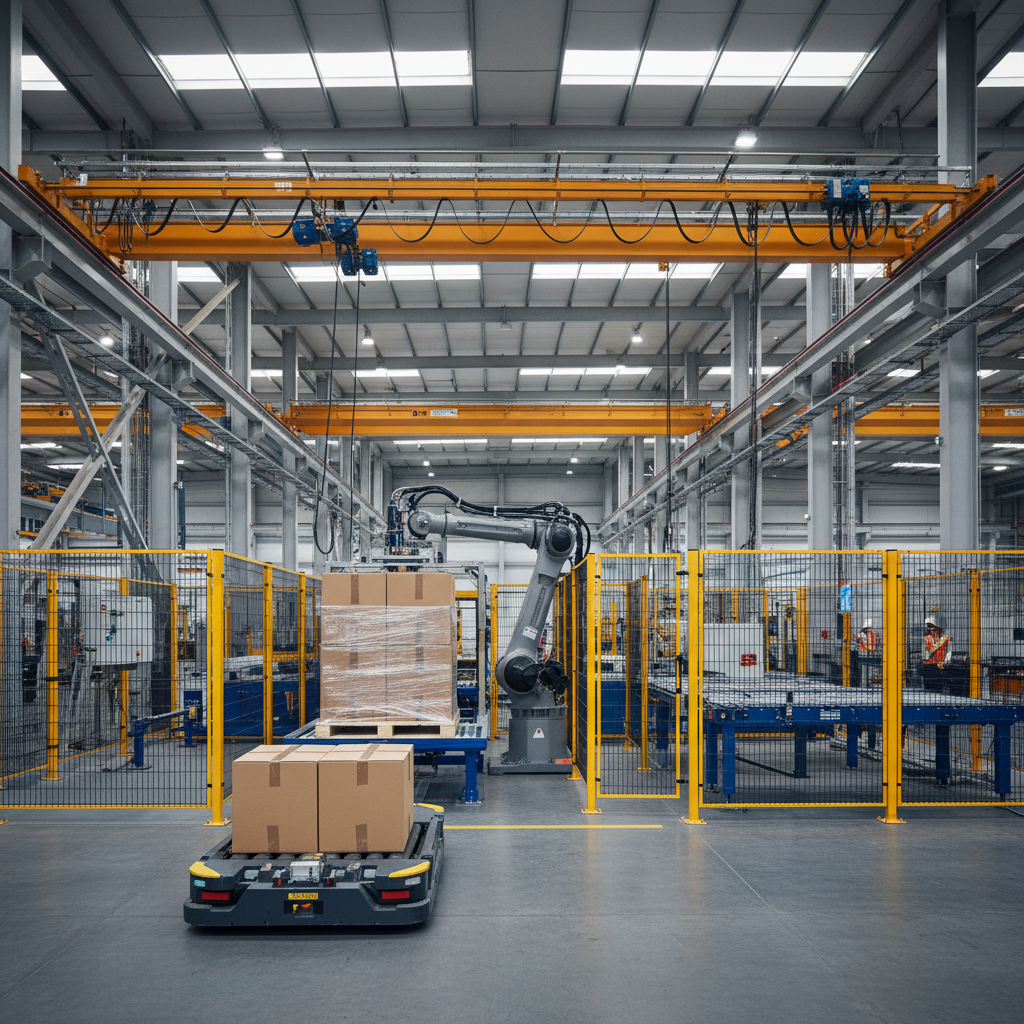
Palletizing machines optimize logistics by automatically stacking finished cases into perfect patterns that maximize truck space and warehouse density without requiring manual lifting. These systems use high-level mechanical layers or robotic arms to build stable, square pallets that are far more reliable than those built by manual labor crews. Look at this. Automated palletizing eliminates the risk of workplace injuries caused by repetitive heavy lifting, which lowers your insurance premiums and improves your overall facility safety. By ensuring every pallet is built to the same exact specifications, you can optimize your shipping costs by fitting more product into every single transport vehicle.
Robotic palletizers handle multiple product lines simultaneously with high flexibility.
Layer palletizers build complete rows of boxes for extremely high throughput.
Pattern software calculates the most stable layout to prevent load shifting.
Integration with warehouse software provides real-time data on production output.
Key Takeaway: Automated palletizing serves as the critical bridge between your production floor and your global distribution network.
Palletizer Type
Main Benefit
Ideal Volume
Robotic Arm
Extreme Flexibility
Low-Medium
High-Level Layer
Maximum Speed
High-Volume
Collaborative (Cobot)
Small Footprint
Boutique Lines
Implementing an automated stacking solution will dramatically improve your warehouse throughput while protecting your staff from physical strain and injury.
Inspecting and conveying machines are vital because they ensure that only perfect, contaminant-free products reach your customers while moving them efficiently between various production stations. Integrating these Packaging Machines into your line provides a “fail-safe” quality control system that detects metal fragments, weight errors, or labeling defects in real-time. Here’s the kicker. These systems act as your quality police, preventing the brand damage and massive financial losses that result from product recalls or consumer safety incidents. Smart conveyors further optimize your facility by adjusting speeds to prevent bottlenecks, ensuring that every piece of equipment on your line is operating at its peak efficiency.
Metal detectors find microscopic shards to prevent consumer injury and liability.
Checkweighers monitor every package to prevent expensive product giveaway.
Vision systems check for cap alignment and label presence at high speeds.
Modular conveyors allow for rapid reconfiguration of your facility floor layout.
Key Takeaway: Quality control automation is the only way to guarantee 100% compliance with safety regulations at modern industrial speeds.
Inspection Tool
Target Defect
Outcome
Metal Detector
Foreign Objects
Consumer Safety
Checkweigher
Under/Overfill
Profit Protection
Vision Camera
Label Alignment
Brand Integrity
Combining rigorous inspection with smart conveying creates a robust production environment that minimizes waste and guarantees total customer satisfaction.
How to select the right Machines for your ROI?
Selecting the right packaging machines for your ROI involves a detailed analysis of your current production bottlenecks and a long-term projection of your future growth requirements. You must balance the initial capital investment against the significant monthly savings in labor, materials, and energy that high-performance automation provides to your facility. What’s the catch? Buying the “cheapest” machine often leads to higher maintenance costs and frequent downtime, which can quickly erase any initial savings you hoped to achieve. A professional assessment from an engineering team will help you identify the specific machines that offer the fastest payback period through improved efficiency and reduced waste.
Calculate ROI by dividing the investment cost by monthly labor and material savings.
Factor in the total cost of ownership including maintenance, parts, and electricity.
Choose machines with intuitive PLC interfaces to minimize staff training time.
Ensure your vendor provides 100% traceability and direct engineering support.
Key Takeaway: Strategic investment in high-quality automation today creates a resilient and profitable business capable of dominating tomorrow’s market.
Selection Factor
Priority
Business Impact
Speed/BPM
High
Scalability
Build Quality
Very High
Maintenance Cost
Energy Class
Moderate
Utility Savings
Investing in high-performance equipment ensures that your facility remains efficient, compliant, and profitable in the face of changing market demands.
Conclusion
Navigating the diverse world of packaging technology requires a strategic understanding of how automation transforms production efficiency and product safety. By integrating the right combination of filling, sealing, and end-of-line systems, you can eliminate manual bottlenecks and position your brand for global scalability. Our commitment to industrial precision and 100% traceability ensures that every machine we build contributes directly to your long-term success and profitability. Don’t let manual errors limit your business potential any longer—take the first step toward a more efficient and profitable future. To find the perfect custom solution tailored specifically for your industrial goals, contact us today and let our engineering team build your success.
Frequently Asked Questions
Can I handle multiple product types on a single packaging machine? Yes, most modern machines are designed with modularity in mind, allowing you to change “format parts” or adjust PLC settings to handle different sizes and materials. This flexibility is essential for businesses that need to scale their product offerings without investing in multiple distinct production lines.
The best way is to follow a strict preventative maintenance schedule? The best way is to follow a strict preventative maintenance schedule, which includes daily cleaning of contact surfaces and weekly lubrication of moving mechanical parts. Using 100% traceable spare parts and having direct access to engineering support ensures that minor issues don’t turn into major mechanical failures.
Absolutely, you can take a “modular approach” by automating critical bottlenecks? Absolutely, you can take a “modular approach” by automating the most critical bottlenecks first, such as filling or sealing, and then gradually adding case packers or palletizers. Most industrial equipment uses standardized communication protocols like Modbus or EtherNet/IP to sync with your current conveyor systems.
Standard units usually have a lead time of 30 to 60 days? Standard units usually require 30 to 60 days for manufacturing and testing, while fully customized, integrated lines may take 90 to 120 days depending on complexity. This time includes the engineering design phase, manufacturing, and rigorous factory acceptance testing (FAT) to ensure the machine meets your specs.
Yes, high-performance sealing and FFS machines are now optimized for eco-films? Yes, high-performance sealing and FFS machines are now optimized with precise temperature controls that can handle the unique melting points of POF and biodegradable substrates. This allows your brand to meet modern sustainability targets without sacrificing the integrity or speed of your packaging process.