Mastering Coffee Bean Density: How to Stop Costly Packaging Inaccuracy
2025年12月28日 by newideapack
You’ve dialed in your roast profile, perfected your blend, and the coffee tastes incredible, but your packaging line is telling a different story. One batch fills perfectly, while the next overflows the bag or, worse, leaves it looking underfilled and cheap. This inconsistency isn’t usually a machine failure; it is a physics problem related to Coffee bean density, a variable that silently destroys profitability. If you ignore how density changes from bean to bean, you risk giving away free product or damaging your brand’s reputation. At Newidea Pack, we help you master these variables so your production line runs as smoothly as your morning brew.
Why is coffee bean density the silent killer of filling accuracy?
Coffee bean density is the primary factor that determines the mass of coffee that fits into a specific volume, directly dictating whether your volumetric filler hits the target weight. If you set your machine to dispense a 12oz cup volume, but the density of your beans drops, that same cup might only hold 10oz of product.
The Physics of the Problem
It comes down to simple math: Volume × Density = Mass.
Volumetric fillers measure space (cups or auger turns).
Scales measure mass (grams or ounces).
If density fluctuates, volume-based filling becomes a guessing game.
The Financial Impact
Here is the deal: When density is high, you overfill. When density is low, you underfill. Both scenarios cost you money. Overfilling is “product giveaway”—literally giving away profit. Underfilling risks legal penalties and customer trust.
Key Takeaway: Understanding the density of your specific product is not optional; it is the only way to ensure your volumetric filling equipment delivers the correct weight every single time.
Scenario
Density
Resulting Weight
Business Impact
High Density
Heavy
Overweight
Loss of Profit (Giveaway)
Low Density
Light
Underweight
Compliance Risk / Complaints
Consistent
Stable
Accurate
Optimal ROI
Fluctuating density is the most common cause of packaging weight errors in volumetric systems.
How do green and roasted beans differ in volumetric behavior?
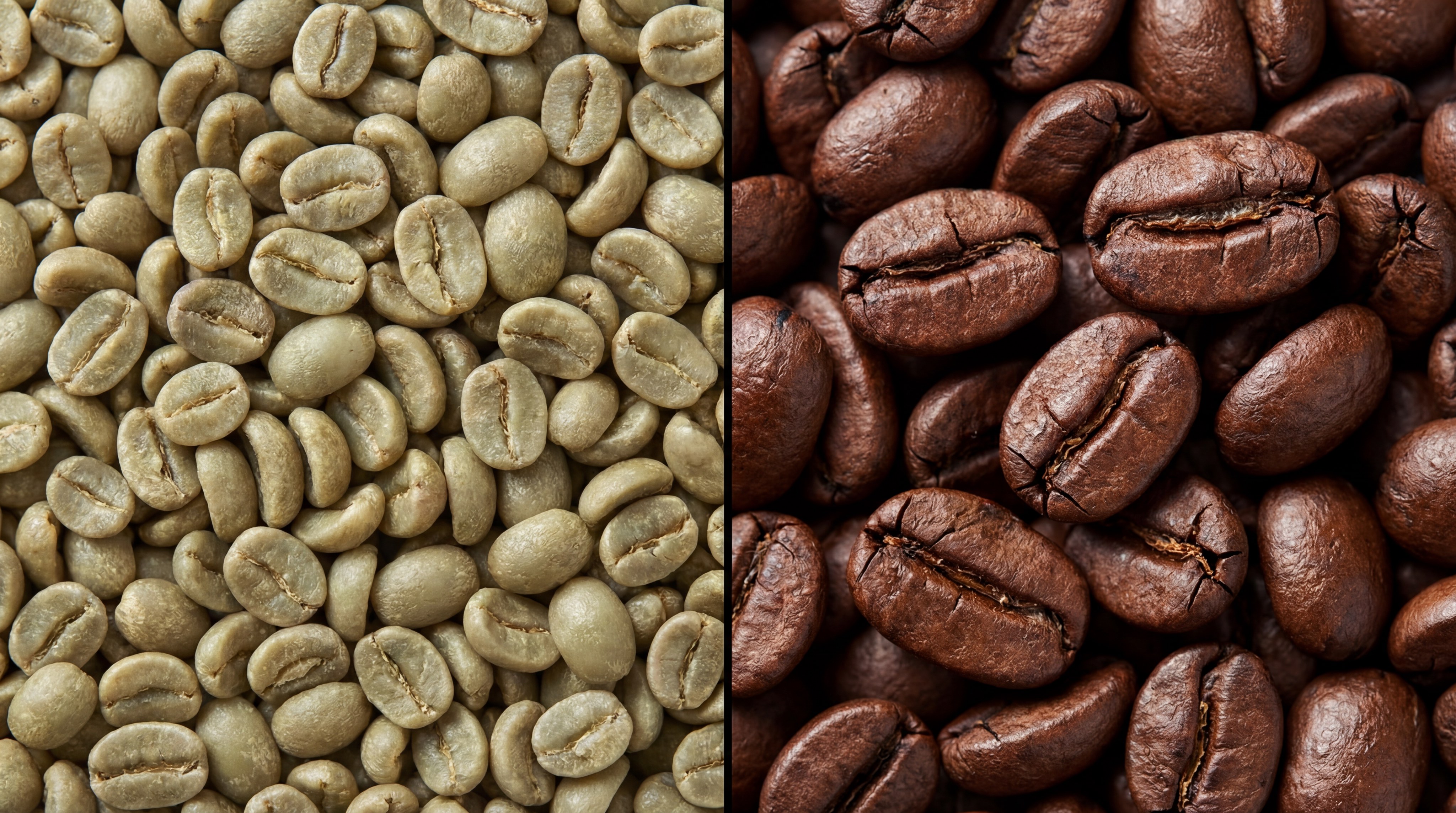
Green beans are significantly denser than roasted beans, meaning Coffee bean density drops dramatically as the roasting process expands the cellular structure of the bean. You cannot use the same machine settings for green and roasted coffee and expect anywhere near the same results.
The Expansion Factor
During roasting, the “crack” signifies the release of moisture and gas.
Green beans: High moisture (~11%), compact structure.
Roasted beans: Low moisture (<2%), porous and expanded.
Why This Matters for Packaging
You might be surprised to learn that a pound of roasted coffee takes up nearly twice the space of a pound of green coffee. If you run roasted beans through a filler calibrated for green beans, you will massively underfill the package by weight.
Key Takeaway: Always recalibrate your volumetric cups or auger counts when switching between green and roasted products, as the volume-to-weight ratio changes by up to 50%.
Bean State
Moisture %
Volume Impact
Filling Adjustment Needed?
Green
~10-12%
Compact
Yes (Smaller Volume)
Roasted
~1-3%
Expanded
Yes (Larger Volume)
Aged
Variable
Variable
Monitor Closely
Green beans are heavy and small; roasted beans are light and large.
Do different varietals require different machine settings?
Yes, different coffee varietals possess unique Coffee bean density profiles, necessitating specific adjustments to your Advanced Drip-bag Ultrasonic Packaging Machine or standard filler to maintain accuracy. Genetics play a huge role in how hard and heavy a bean is.
Arabica vs. Robusta
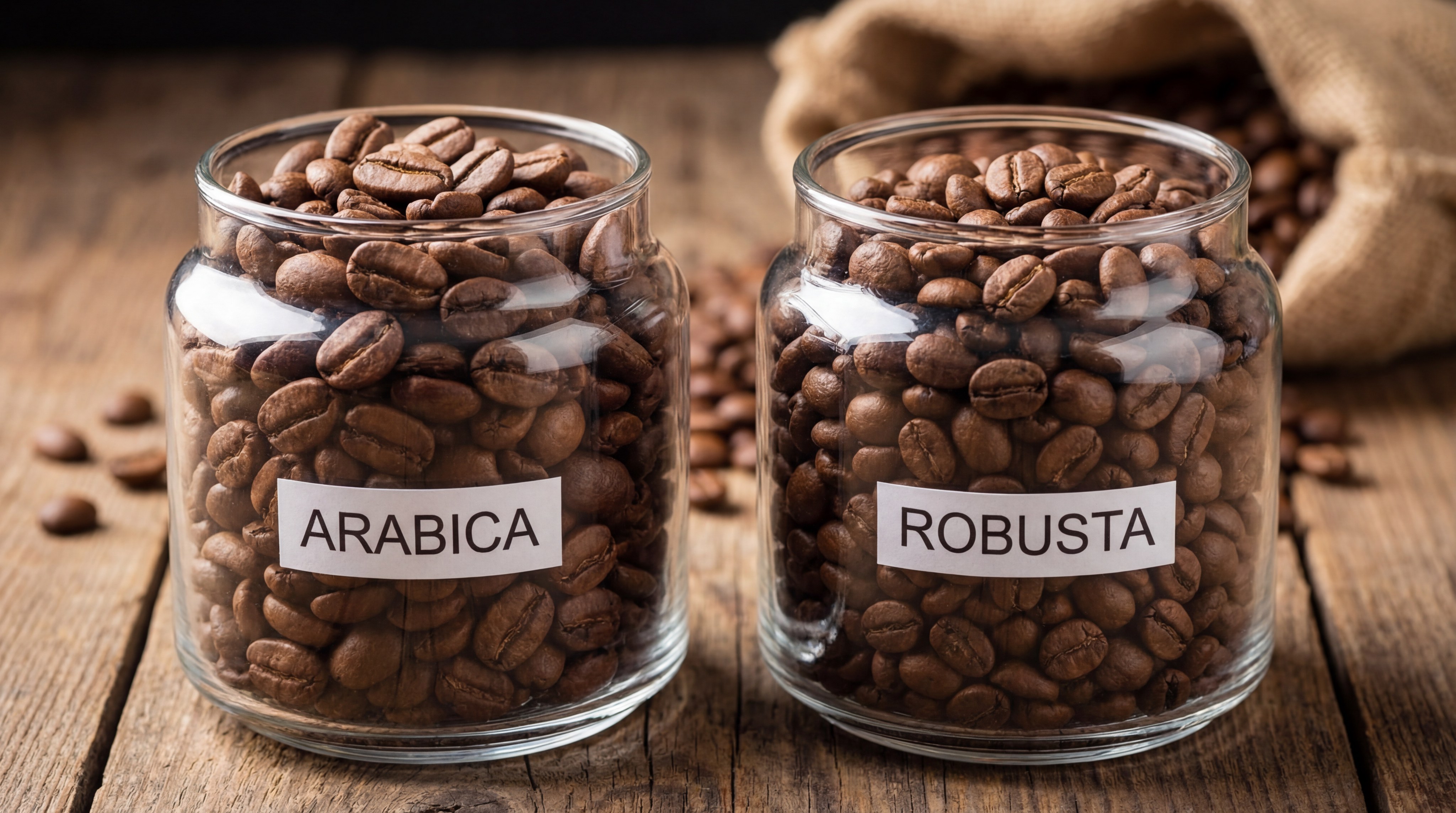
Generally speaking, Arabica beans are denser than Robusta beans.
Arabica: Grown at higher altitudes, slower maturation, denser structure.
Robusta: Grown at lower altitudes, faster growth, less dense.
The Shape Factor
It’s not just density; it’s shape. Peaberries (round) flow differently than flat beans. This flow rate affects how quickly the volumetric cup fills. If the beans don’t settle quickly enough into the cup during the machine’s cycle, you get a “short fill.”
Key Takeaway: Treat every new varietal as a new product. Do not assume that your Colombian Supremos will fill at the same weight as your Brazilian Santos.
Varietal
Typical Density
Flow Characteristic
Arabica
High
Consistent
Robusta
Medium/Low
Fast
Maragogype
Low (Porous)
Slow Settling
Genetics determine the baseline density before roasting even begins.
Can high-altitude growth change your packaging parameters?
Absolutely, because Coffee bean density is directly correlated with the altitude at which the coffee was grown. High-altitude environments (Strictly Hard Bean – SHB) produce coffees that are physically harder and heavier than those grown at sea level.
The Altitude Effect
At high elevations, nights are cooler.
This slows down the coffee cherry’s respiration.
Sugars develop more slowly.
The resulting bean is incredibly compact.
Implications for Volumetric Filling
If you switch your production line from a low-grown blend to a high-grown single origin, your machine will suddenly start overfilling every bag. Why? Because you are packing more mass into the same volume cup.
Key Takeaway: Altitude is a reliable predictor of density. Use the bean’s grade (SHB, HB, Soft) as a guide to pre-adjust your volumetric filler before the first test run.
Classification
Altitude (m)
Bean Hardness
Filling Risk
SHB
>1350
Very Hard
Overfilling
HB
1200-1350
Hard
Minimal
Soft
<1200
Soft/Porous
Underfilling
Higher altitude equals harder beans, which equals heavier volumetric fills.
Does the roast level drastically alter bulk density?
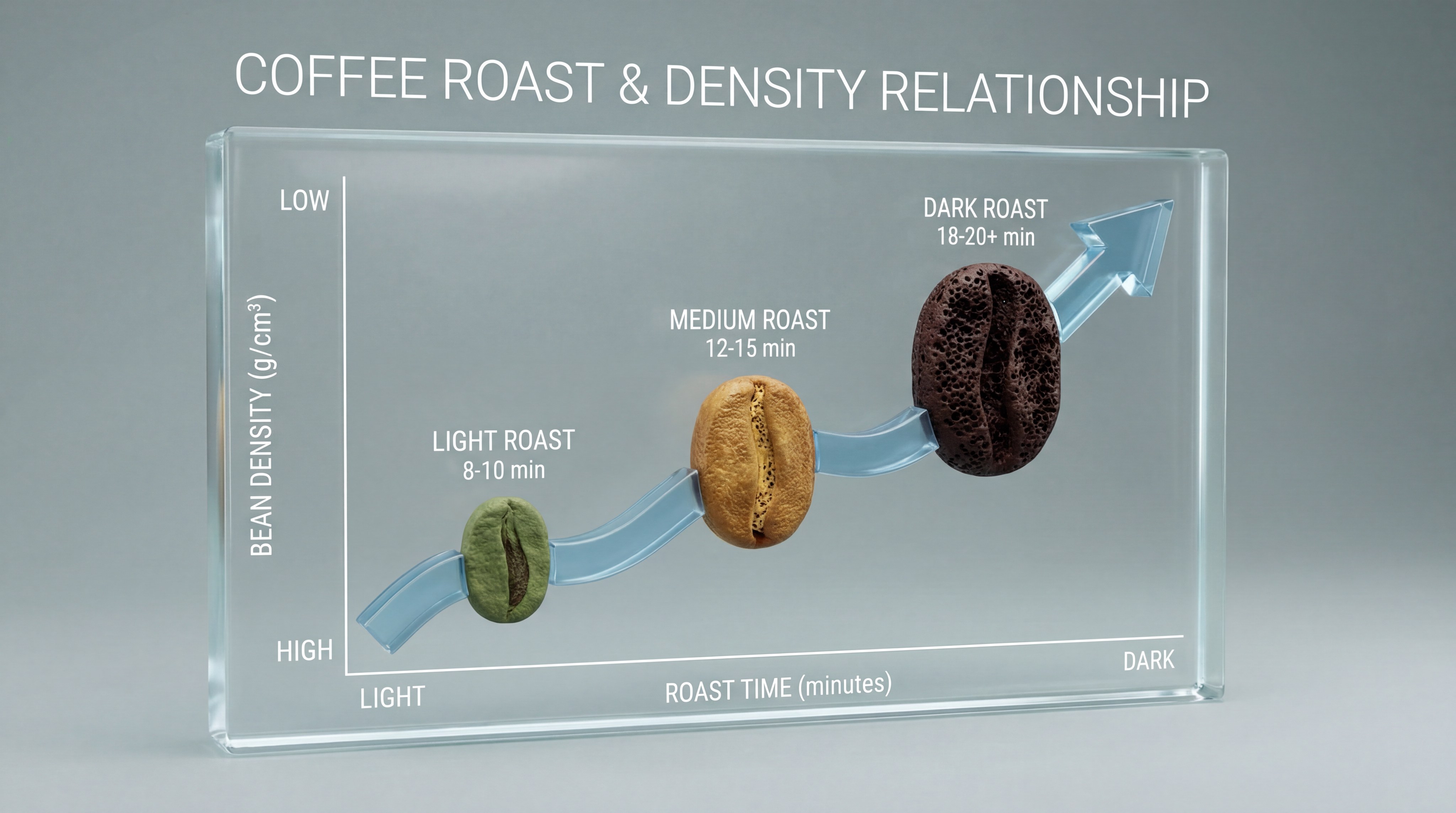
The roast level is perhaps the most significant manipulator of Coffee bean density, with dark roasts expanding significantly more than light roasts. As the cellulose structure breaks down under heat, the bean puffs up, reducing its density.
Light vs. Dark Roast
Think of it like popcorn.
Light Roast: Retains moisture and structural integrity. Heavy.
Dark Roast: Oils migrate to surface, structure expands. Light.
If you package a dark French Roast using the settings for a light Breakfast Blend, your customers will be disappointed. The French Roast takes up so much room that a standard 12oz bag volume might only hold 10oz of actual beans.
Key Takeaway: Dark roasts require larger volumetric cups or more auger revolutions to achieve the same net weight as light roasts.
Roast Profile
Color
Relative Volume
Density Status
Light
Cinnamon
Low
High
Medium
Brown
Medium
Balanced
Dark
Oily Black
High
Low
The darker the roast, the “lighter” the bean is by weight.
How does moisture content manipulate weight readings?
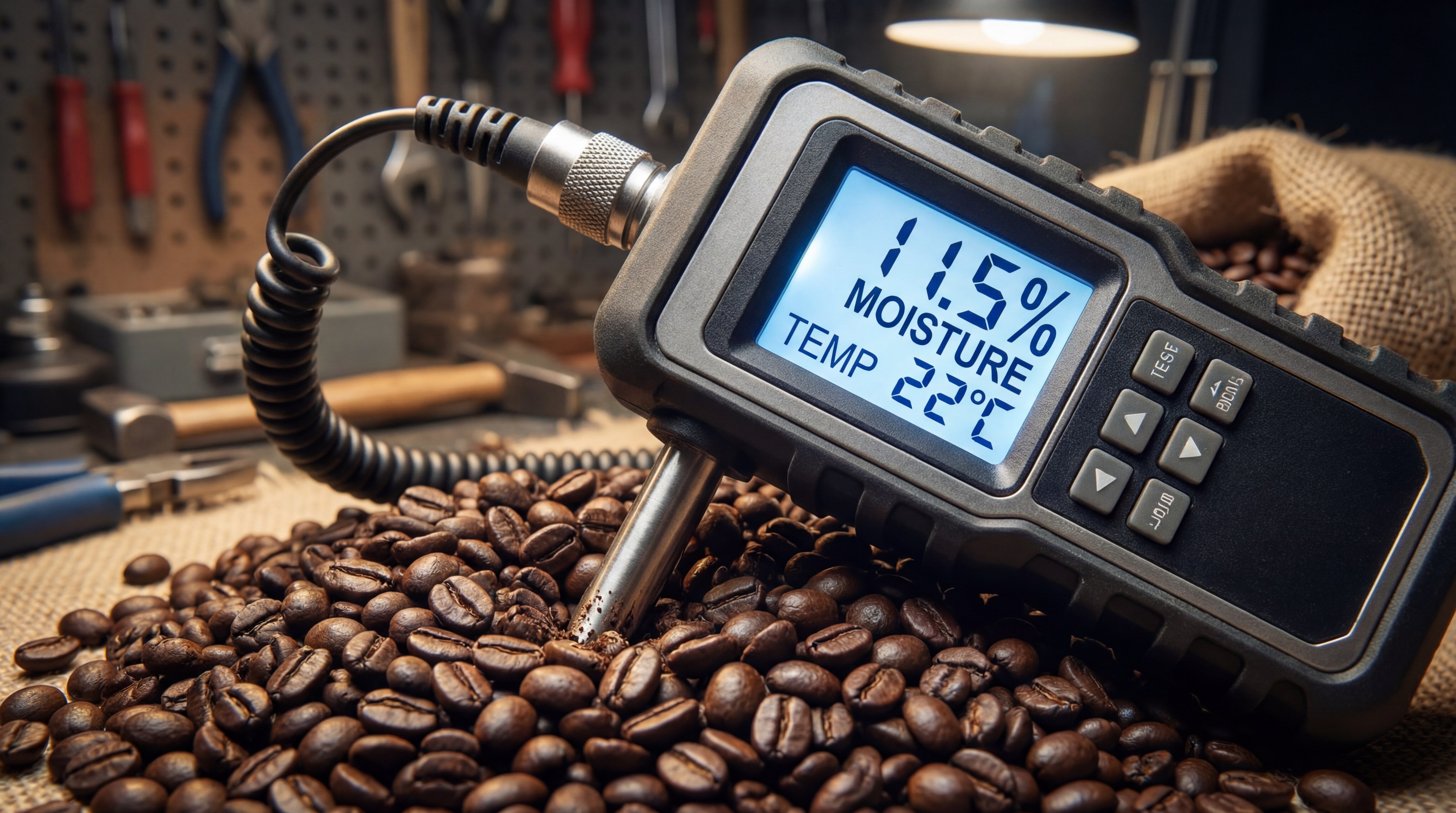
Moisture content acts as a hidden variable in Coffee bean density, adding weight without significantly adding volume. In high-humidity environments, roasted beans acts like sponges, absorbing moisture from the air.
The Humidity Factor
Coffee is hygroscopic.
If your packaging facility is humid, beans absorb water weight.
If it is dry, they lose weight.
The Flow Issue
But there is another problem. High moisture can make beans (especially ground coffee) sticky. This causes “bridging” or “rat-holing” in the hopper, where the product doesn’t flow down into the volumetric cup evenly. This leads to inconsistent, light fills.
Key Takeaway: Control the humidity in your packaging room. If you can’t, frequent weight checks are required to adjust for the moisture the beans are absorbing or losing.
Moisture Level
Bean Behavior
Flow Characteristic
Accuracy Risk
High
Heavy/Sticky
Poor / Clumping
Inconsistent
Optimal
Stable
Smooth
Low
Low
Light/Static
Fast / Static Fly-away
Static Cling
Invisible water weight can throw off your calibration by several grams.
Do processing methods influence the final fill weight?
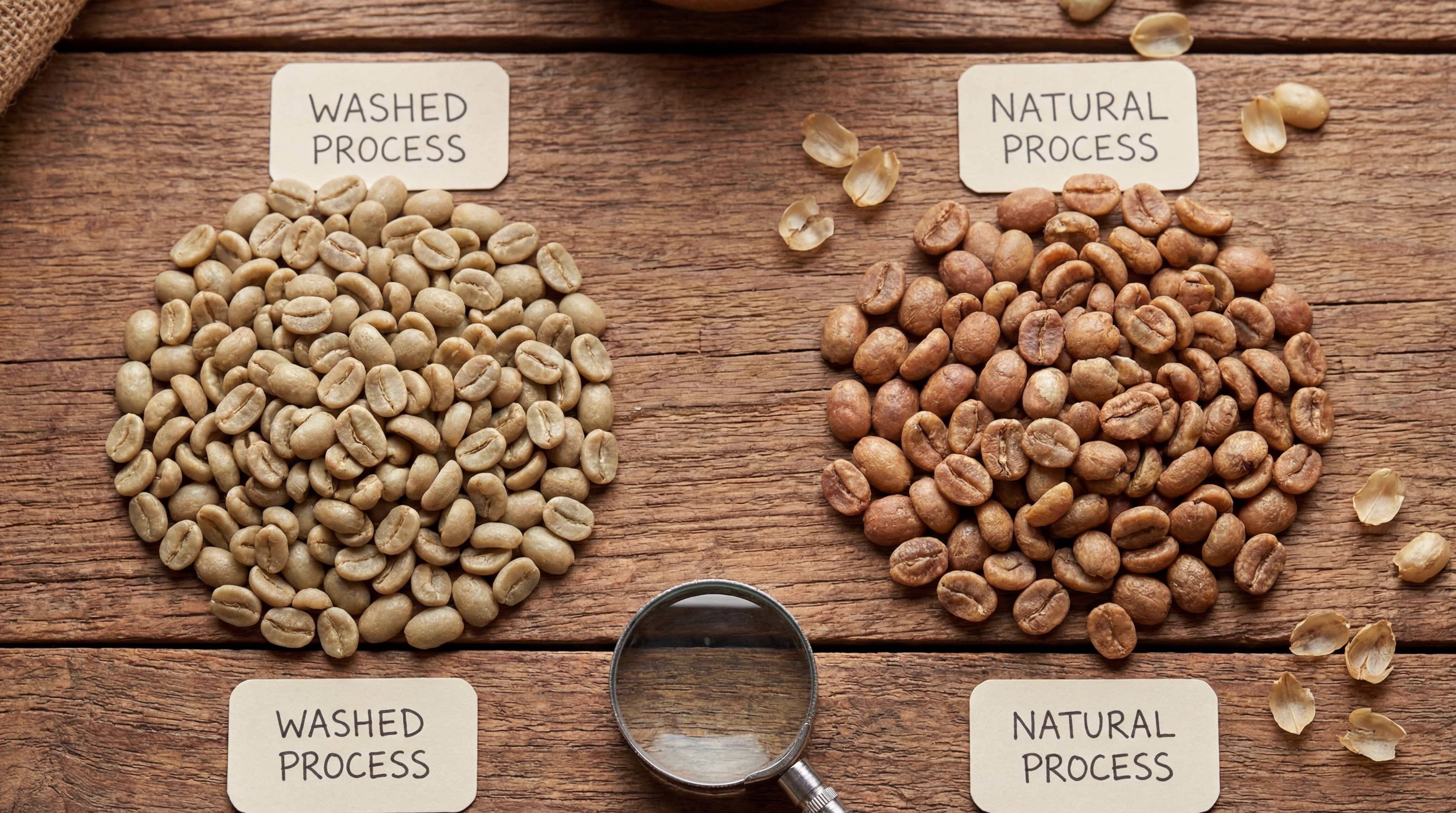
Washed Process: The fruit is removed before drying. Result: Clean, uniform, denser beans.
Natural Process: Dried with the fruit on. Result: More sugar, varied texture, slightly less dense.
Bulk Density Impact
Washed coffees tend to have a more uniform shape and surface texture. This allows them to pack tighter together in a volumetric cup (higher bulk density). Natural processed beans can be more irregular, creating larger air gaps between beans, which lowers the fill weight for the same volume.
Key Takeaway: When switching from a Washed Arabica to a Natural Ethopian, expect the bulk density to drop, requiring a slight increase in fill volume.
Process
Bean Texture
Bulk Density
Packing Tightness
Washed
Smooth/Clean
High
Tight
Natural
Textured
Medium
Loose
Honey
Sticky
Variable
Risk of Clumping
Processing defines the surface texture, which defines how tightly beans pack.
Is a volumetric filler or a multi-head weigher better for you?
If your Coffee bean density varies significantly between batches, a volumetric filler will struggle, whereas a multi-head weigher automatically compensates for these changes.
Volumetric Cup/Auger
Pros: Fast, simple, cost-effective.
Cons: “Blind” to density. If density drops, weight drops.
Best For: Long runs of consistent product (e.g., house blends).
Multi-Head Weigher
Pros: Measures mass, not volume. Accurate regardless of density.
Cons: Higher initial investment.
Best For: Specialty roasters dealing with many different origins and roast levels.
Key Takeaway: For ultimate accuracy amidst density fluctuations, a weigher is superior. For speed and consistency on stable products, volumetric is efficient.
Technology
Basis of Measure
Sensitivity to Density
Cost
Volumetric Cup
Volume
High Sensitivity
Low
Auger Filler
Volume
High Sensitivity
Medium
Multi-Head
Weight
Zero Sensitivity
High
Choose the technology that matches your product’s variability.
How often should you recalibrate for density shifts?
You must check the Coffee bean density and recalibrate your Best Food Packaging Machines: Proven Custom Solutions at the start of every single batch to maintain accuracy. Density is not a fixed number; it is a moving target.
The “Set and Forget” Myth
Many operators set the machine once and run it all week.
This is a recipe for disaster.
Temperature changes in the plant, humidity shifts, and bin changes all affect flow.
The Calibration Routine
Use a simple 1-liter measure. Fill it with beans, weigh it. That is your bulk density (g/L). Input this into your machine or adjust the cup size until the dispensed weight matches your target.
Key Takeaway: Make density checks a standard operating procedure (SOP) for every shift change and every new bean bag opened.
Task
Frequency
Purpose
Density Check
Every Batch
Establish Baseline
Checkweigher
Continuous
Catch Drift
Cup Adjustment
As Needed
Correct Weight
Daily calibration is the cheapest insurance against product waste.
What are the financial risks of ignoring bean density?
Ignoring Coffee bean density leads directly to “product giveaway,” where you accidentally ship more coffee than the customer paid for, silently draining your profit margins.
The Cost of Overfilling
If you overfill each 12oz bag by just 0.5oz to “be safe” because you don’t understand the density:
That is 4% of your product given away for free.
On 100,000 bags, you just gave away 4,000 bags of coffee.
The Cost of Underfilling
Underfilling is arguably worse.
Consumer complaints.
Bad reviews.
Potential fines from weights and measures authorities.
Key Takeaway: Precision isn’t just about quality; it’s about protecting your bottom line. Investing in understanding density pays for itself in saved product.
Error Type
Cause
Financial Consequence
Overfill
High Density ignored
Lost Margin (Direct Cost)
Underfill
Low Density ignored
Lost Customers (Future Rev)
Variable
Poor Calibration
Operational Inefficiency
Small density errors compound into massive financial losses over time.
Conclusion
Mastering Coffee bean density is the difference between a packaging line that prints money and one that burns it. We have explored how roast levels, altitude, and varietals all conspire to change the physics of your beans, and why your machinery needs to adapt. By respecting the relationship between volume and mass, you can stop giving away free product and ensure your customers get exactly what they paid for.
At Newidea Pack, we don’t just build machines; we engineer solutions that account for the real-world variables of coffee production. Whether you need a robust volumetric filler for high-speed blends or a precision multi-head weigher for your single-origin gems, we have the expertise to optimize your line.
FAQ
Can I use the same volumetric cup for dark and light roast coffee? No, you really shouldn’t. Dark roast is much less dense (more volume per gram) than light roast. If you use the same cup, the dark roast bag will be significantly under-weight. You need a larger cup volume for dark roasts.
What is the best way to measure coffee bean density in my roastery? The simplest method is the “bulk density” test. Take a container with a known volume (like a 1-liter cylinder), fill it level with beans (do not pack it down), and weigh the contents. This gives you grams per liter (g/L), which you can use to adjust your machine.
How do I know if density is the cause of my filling errors? If your machine is mechanically sound (cups are opening, auger is turning) but the weight varies wildly between different coffee types, density is the culprit. If the weight varies within the same batch, check for flow issues or “bridging” in the hopper.
Can I upgrade my volumetric filler to handle density changes automatically? Some modern auger fillers can be equipped with a “feedback loop” from a checkweigher. The checkweigher weighs the filled bag and tells the filler to spin more or less on the next cycle. However, for cup fillers, manual adjustment is usually required.
Does ground coffee have a different density than whole bean? Yes, ground coffee generally has a higher bulk density than whole beans because the particles pack together more tightly, removing air gaps. However, ground coffee is also more susceptible to humidity and compaction, which can make volumetric filling tricky without an auger.
Sales Pitch Component
Contact us today to discuss how we can improve your filling accuracy and protect your profits.