How to Maximize Shelf Impact with Side Gusset Bag: Ultimate Guide
2026年2月15日 by newideapack
The Side gusset bag is the industry standard for coffee packaging because it maximizes internal volume while maintaining a slender, professional profile on retail shelves. You spend countless hours sourcing and roasting the perfect bean, yet poor packaging can lead to stale flavors and a forgettable brand presence. It is incredibly frustrating to see your hard work lose its aromatic punch before it even reaches the customer’s cup. By choosing a traditional side-gusseted format, you provide the structural integrity and high-barrier protection your specialty coffee deserves.
Why choose a Side gusset bag for specialty coffee?
A Side gusset bag is the go-to choice for specialty roasters because its expandable sides allow for a high product-to-package ratio. This design ensures that even large quantities of beans remain compact and easy to handle during transport. You will find that this structure supports the weight of the coffee without sagging or losing its iconic shape.
Does it provide a premium look?
The box-like appearance of these bags once filled screams “artisanal quality” to discerning coffee lovers. It offers a flat front and back panel that serves as the perfect canvas for your roastery’s unique branding and story.
Sleek matte or gloss finishes.
Stable upright positioning when filled.
Iconic “brick” shape that customers trust.
But wait, there is more.
How does it protect your roast?
Specialty coffee requires a controlled environment, and these bags utilize multi-layer laminates to block out light and moisture. This ensures that the delicate flavor notes you worked so hard to develop remain intact until the first brew.
Key Takeaway: Using this bag style elevates your brand perception while providing the physical durability needed for premium coffee logistics.
Feature
Primary Benefit
Expandable Gussets
Increases volume without bulk
Flat Panels
Optimized for large branding labels
Structural Support
Maintains bag shape under weight
The structural advantage of this bag makes it a staple for any roaster looking to blend tradition with modern efficiency.
How does a Side gusset bag optimize retail shelf space?
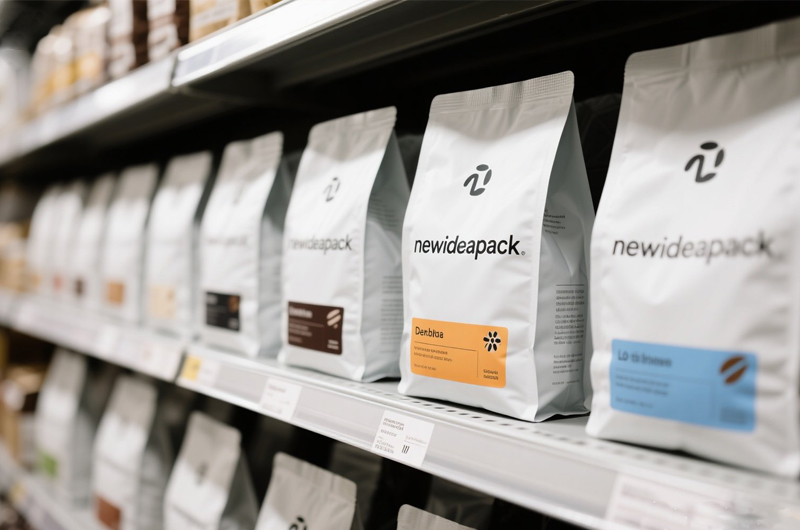
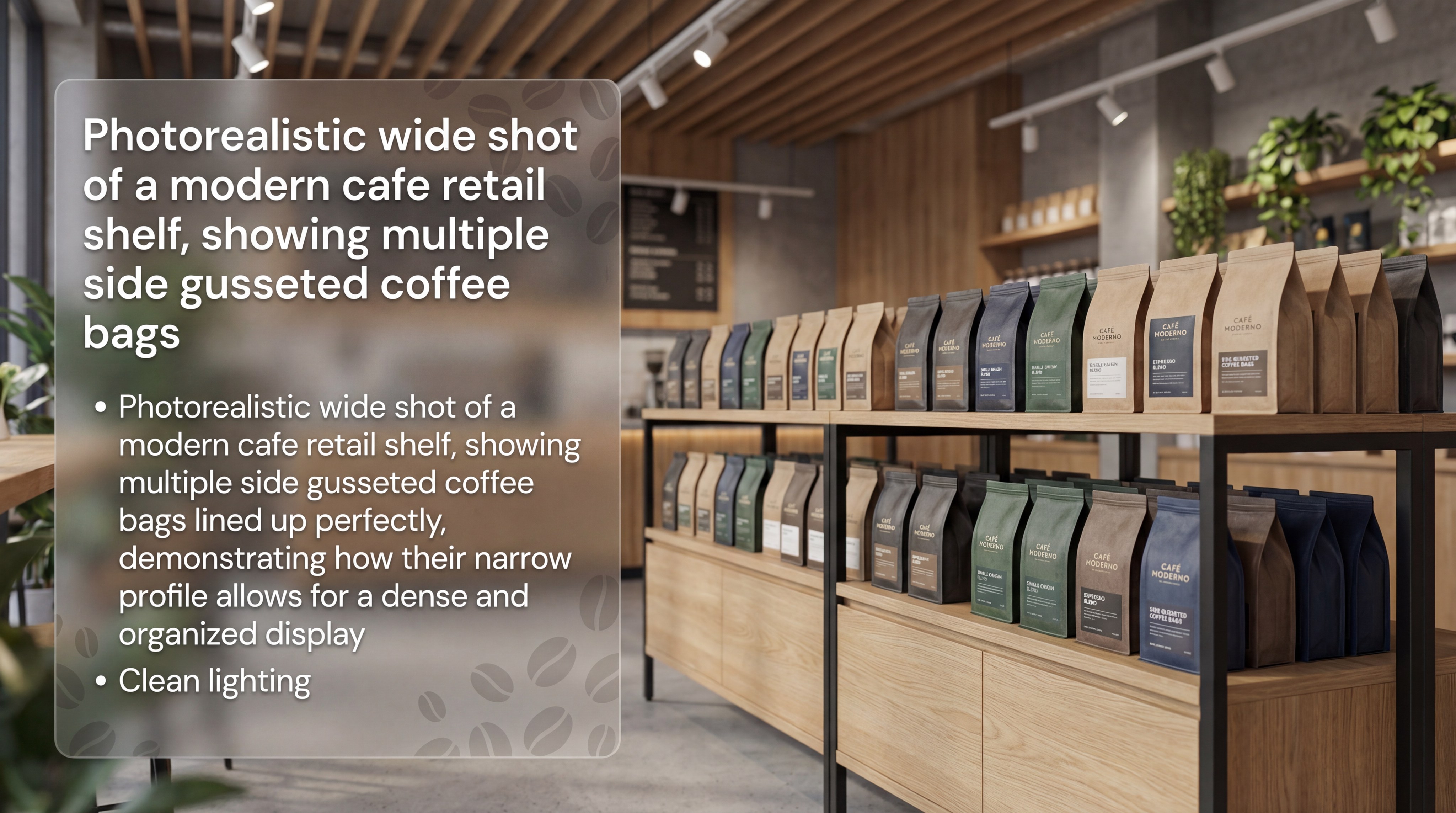
The Side gusset bag optimizes retail space by utilizing a narrow width and expanding depth, allowing more units to fit in tight display rows. Unlike wide stand-up pouches, these bags sit snugly against one another, maximizing your “billboard” space on the shelf. You can showcase a wider variety of roasts in the same square footage.
Can it improve store visibility?
Because these bags are taller and more slender, they draw the eye upward and create a professional, organized look in any cafe. Shop owners appreciate this efficiency, making them more likely to feature your product in prime eye-level positions.
Reduced shelf footprint per unit.
Taller profile for better visibility.
Uniform look across different SKUs.
Think about this for a second.
Is it easy to stack and display?
The rectangular nature of the filled bag allows for easy stacking in crates or on secondary display tables. This versatility means your coffee looks great whether it is on a dedicated shelf or at a checkout counter.
Key Takeaway: Maximizing shelf efficiency means more product is visible to the customer, directly increasing your potential for impulse purchases.
Metric
Space Impact
Width
Allows for 25% more units per row
Height
Increases eye-level brand recognition
Stability
Reduces toppling on busy shelves
Retailers prefer packaging that works with their space, and this classic format is a proven winner for floor management.
Can a Side gusset bag effectively preserve bean freshness?
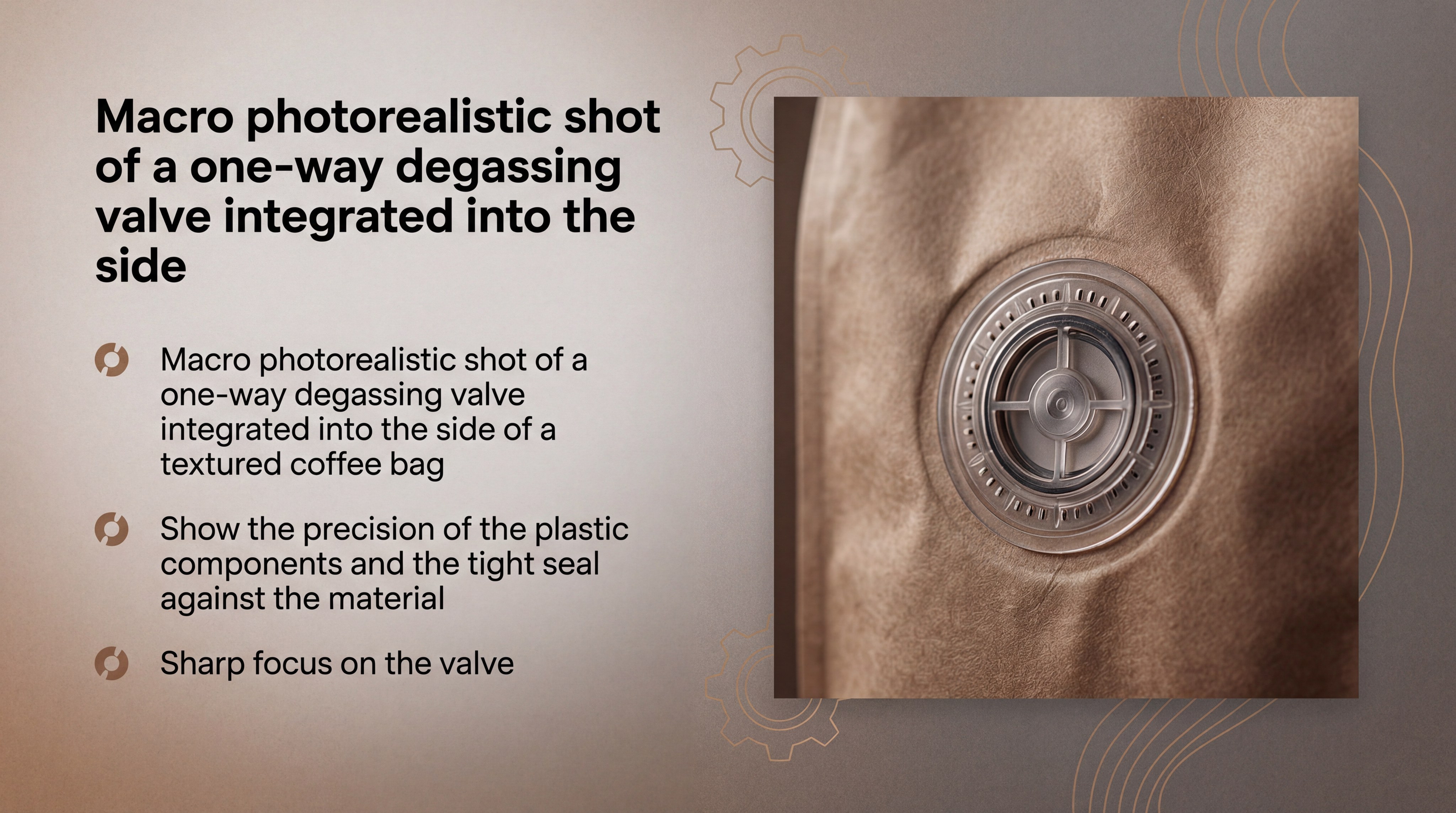
A Side gusset bag preserves freshness by integrating one-way degassing valves and high-barrier materials that shield beans from oxygen. Freshly roasted coffee releases CO2, and without a valve, your bags could bloat or even rupture during storage. You need a solution that lets the gas out while preventing air from creeping in.
Why is the degassing valve critical?
The one-way valve is the heartbeat of coffee packaging, allowing you to bag your beans immediately after roasting. This locks in the “bloom” and ensures the consumer gets that fresh-roast aroma the moment they open the seal.
Prevents oxidation and staling.
Allows for “scent-testing” without opening.
Maintains bag integrity post-roast.
Here is the best part.
Does the material matter for shelf life?
Most high-quality gusseted bags use an aluminum or metalized polyester layer to create a total barrier against light and moisture. This technology can extend your coffee’s peak freshness from a few weeks to several months.
Key Takeaway: Advanced valve technology and barrier layers turn your packaging into a protective vault for your high-end coffee beans.
Barrier Component
Protection Type
One-Way Valve
Gas release / Oxygen block
Aluminum Foil
Total light and UV protection
PE Inner Layer
Airtight heat-seal integrity
Freshness is your brand’s reputation, and investing in the right barrier is the most cost-effective way to protect it.
Why is the Side gusset bag ideal for bulk bean packaging?
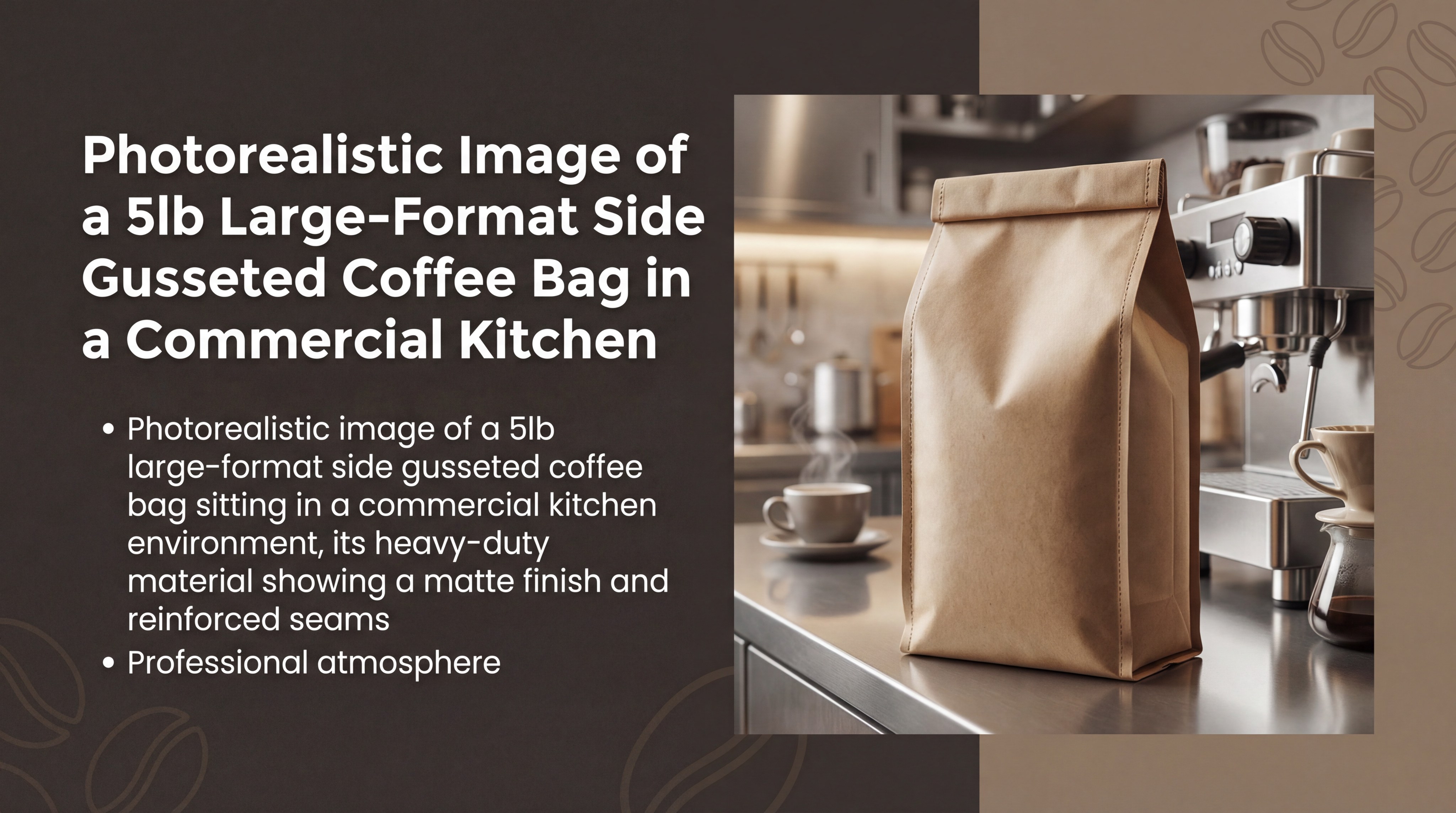
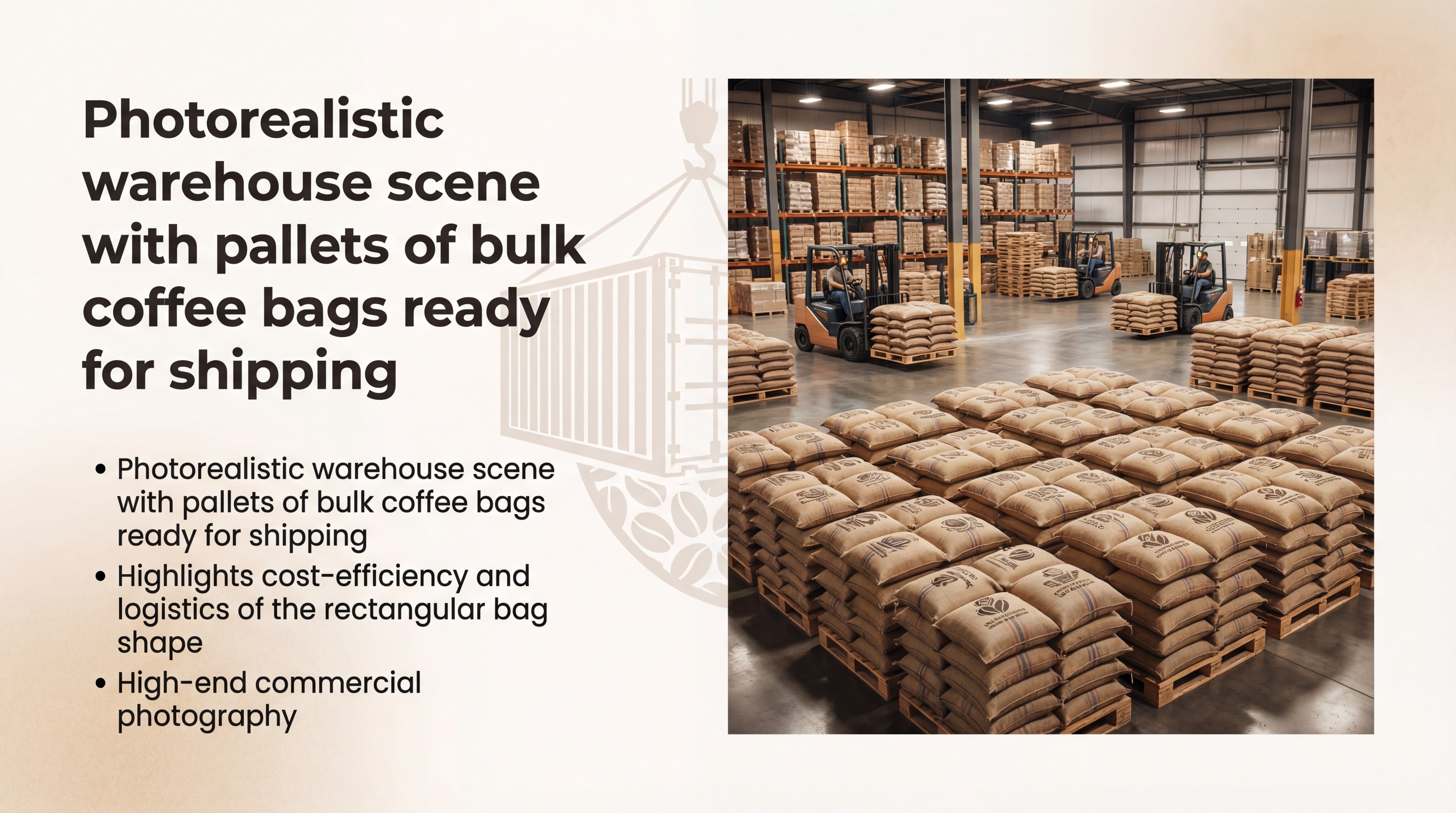
The Side gusset bag is perfect for bulk bean packaging because its bellows-like structure can comfortably accommodate 2lb, 5lb, or even 10lb weights. When you are supplying wholesale accounts or busy cafes, you need a bag that handles large volumes without tearing. You will find that the side-seal construction provides the necessary strength for heavy-duty industrial use.
How does it handle heavy loads?
The weight of the beans is distributed across the side gussets, which prevents the bottom from bursting under pressure. This structural stability is why these are the preferred choice for commercial roasters moving high volumes daily.
Reinforced side seals for strength.
Center-back seal for added support.
Large capacity for wholesale shipping.
You might be wondering about the cost.
Is bulk packaging cost-effective?
By using a single large-format gusseted bag instead of several smaller ones, you reduce material waste and packaging labor. It is the most efficient way to supply your B2B partners while keeping your margins healthy.
Key Takeaway: Larger gusseted bags offer the durability required for wholesale environments while significantly lowering your per-pound packaging costs.
Capacity
Typical Use Case
12oz – 1lb
Standard retail consumer sales
2lb – 2.2lb
Professional cafe espresso bars
5lb – 10lb
High-volume wholesale supply
Efficiency in the warehouse translates to profit in the bank, and bulk gusseted bags are the logistical gold standard.
What materials work best for a Side gusset bag?
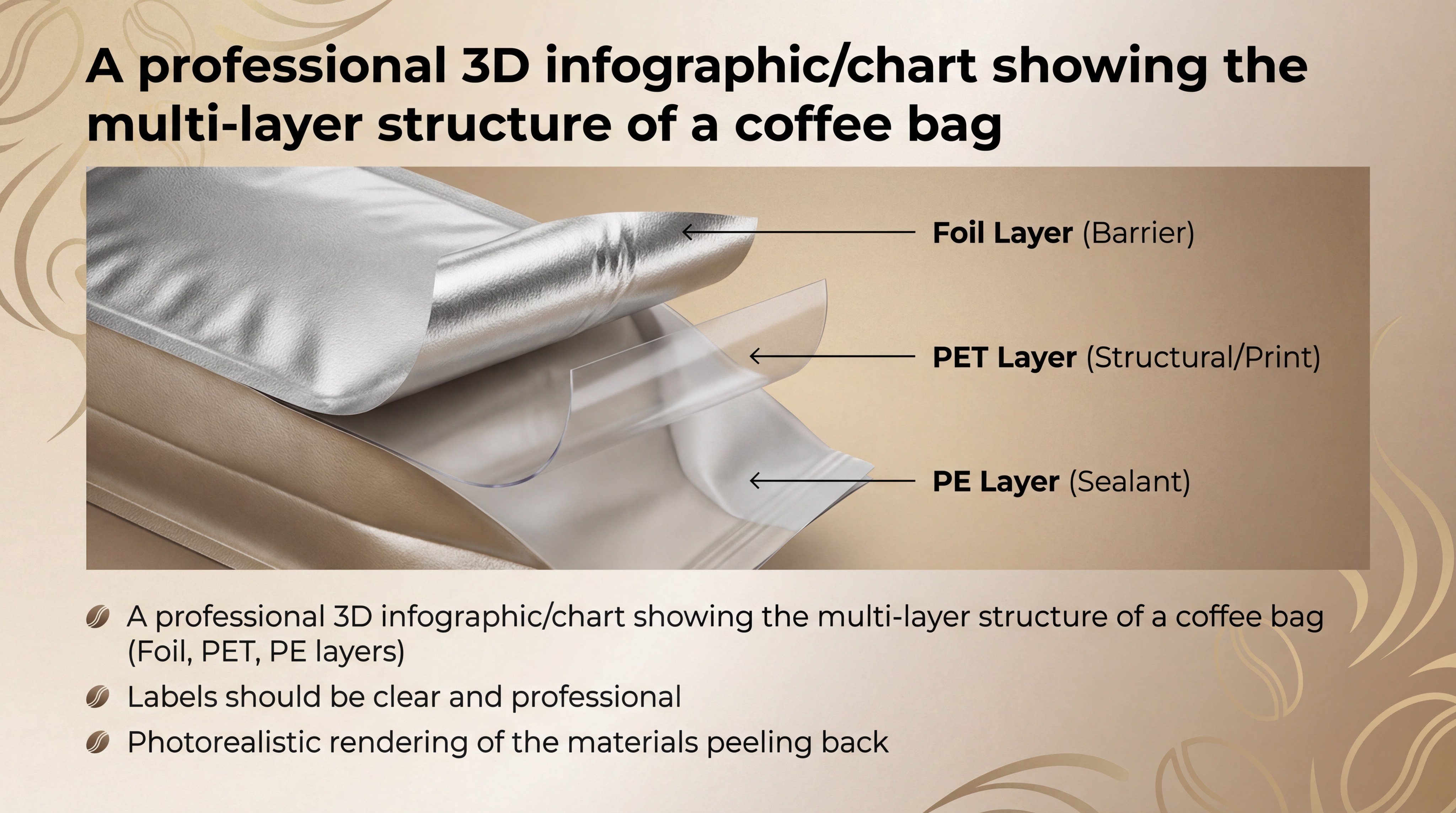
A Side gusset bag works best when constructed from a tri-laminate material that combines durability with high-barrier protection. Generally, this involves an outer layer for printing, a middle layer for barrier, and an inner layer for food safety and sealing. You must choose materials that match your brand’s aesthetic while meeting strict freshness requirements.
Are eco-friendly materials available?
Many modern roasters are now opting for compostable or recyclable laminates that don’t sacrifice the necessary barrier properties. These materials help you appeal to eco-conscious consumers without risking the quality of your roast.
Kraft paper for an organic feel.
Matte PET for a modern, soft touch.
Aluminum foil for maximum protection.
But there is a catch.
Which layer is the most important?
The middle barrier layer, often made of aluminum or VMPET, is the most critical for coffee as it blocks 100% of light. Without this layer, your beans would lose their complex oils and flavors within days of being on the shelf.
Key Takeaway: Understanding the layered composition of your bags allows you to make informed decisions about shelf life and sustainability.
Material Layer
Function
Outer PET/OPP
Branding and scratch resistance
Middle AL/VMPET
Oxygen and moisture barrier
Inner LLDPE
Food-grade contact and sealing
The right material selection ensures your packaging performs perfectly from the factory floor to the customer’s pantry.
How to customize your Side gusset bag for branding?
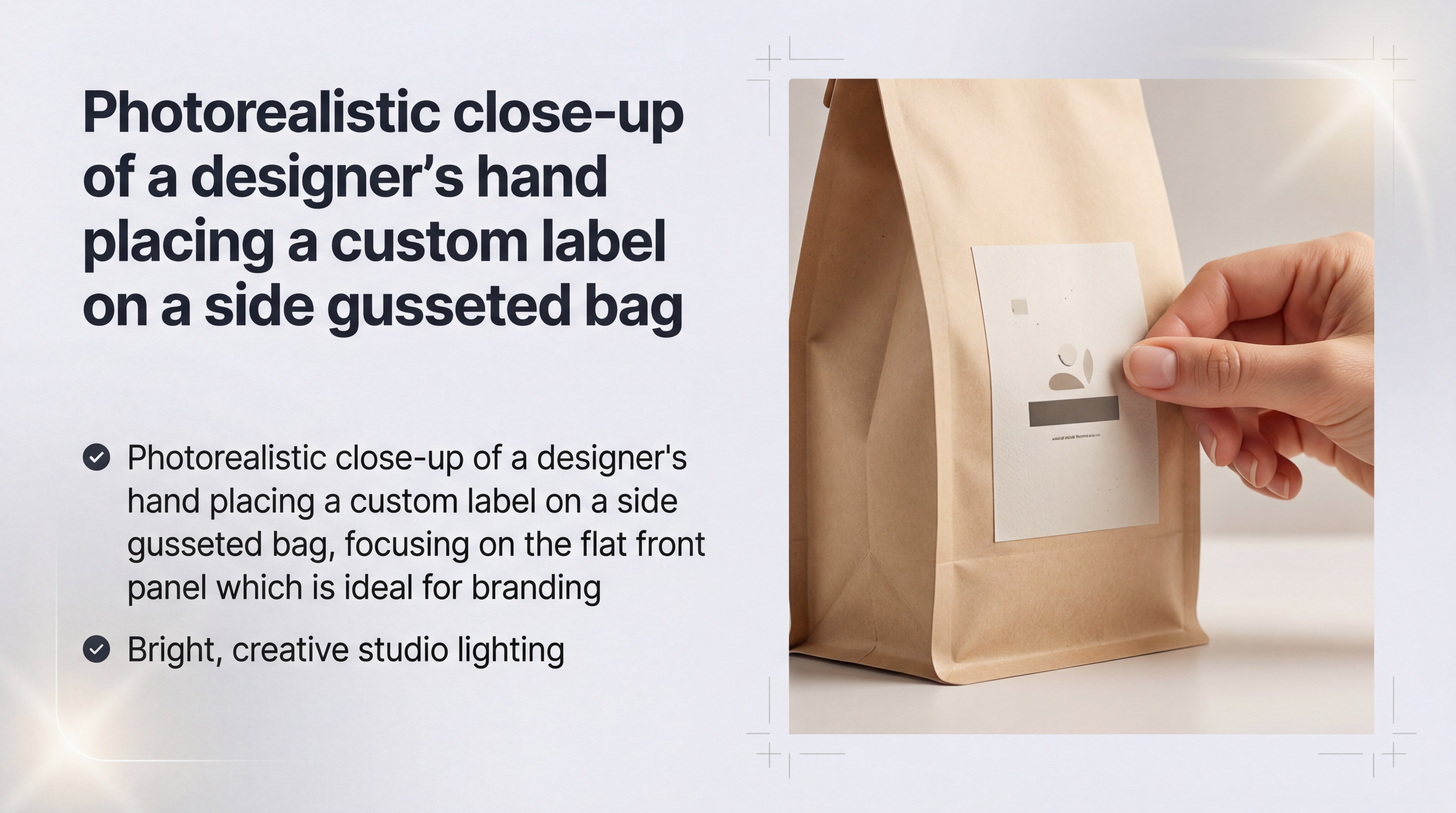
Customizing your Side gusset bag involves utilizing the four flat panels to tell your brand’s story through high-quality printing. With modern techniques like rotogravure or digital printing, you can achieve vibrant colors and intricate details that set your product apart. You should consider how your logo and origin information will look when the bag is fully expanded.
What printing methods should you use?
Digital printing is fantastic for small batches or seasonal roasts because it doesn’t require expensive plates. For high-volume production, rotogravure printing offers the best color consistency and the lowest cost per unit over time.
Spot UV for textured highlights.
Matte finishes for a premium feel.
Metallic inks for eye-catching logos.
Believe it or not, it’s easier than you think.
Should you use labels or direct print?
Direct printing provides a seamless, high-end look that signals a professional operation to your customers. However, custom labels on a generic matte bag are a smart way for micro-roasters to maintain flexibility while growing.
Key Takeaway: High-quality customization turns your packaging into a silent salesman that communicates value and expertise on the shelf.
Customization Type
Impact
Full Color Print
Maximum brand recognition
Custom Labels
High flexibility for rotating roasts
Window Cut-outs
Visual trust (if UV protected)
Branding is what turns a one-time buyer into a lifelong fan, so make sure your design is as good as your coffee.
Why do traditional coffee pack styles remain popular?
A Side gusset bag remains popular because it represents the heritage of the specialty coffee movement and offers unparalleled reliability. Customers have been trained for decades to associate this specific shape with premium, roaster-direct whole bean coffee. You are tapping into a psychological “shortcut” that signifies quality before the bag is even touched.
Is it about consumer trust?
The traditional “brick” feel of a sealed gusseted bag provides a sense of weight and value that flimsy paper bags simply cannot match. It feels substantial in the customer’s hand, reinforcing the idea that they are purchasing a luxury product.
Time-tested industry standard.
Familiarity for veteran coffee drinkers.
Professional aesthetic for cafes.
You can’t ignore the facts.
Does it hold up in shipping?
The structural physics of the side gusset allow it to fit perfectly into shipping boxes with minimal “dead air” space. This prevents the bags from shifting and bursting during the rough journey of e-commerce delivery.
Key Takeaway: Sticking with a classic format allows you to leverage existing consumer trust while benefiting from optimized shipping dimensions.
Popularity Factor
Benefit
Industry Tradition
Instant quality association
Box Shape
Easy packing and logistics
Iconic Design
High shelf appeal
While trends come and go, the side gusseted format remains the reliable backbone of the global specialty coffee industry.
How does a Side gusset bag work with automated fillers?
The Side gusset bag is designed for high-speed production and is perfectly compatible with Vertical Form Fill and Seal (VFFS) machines. These automated systems can form the bag from rollstock, fill it with beans, and seal it in one continuous motion. You can dramatically increase your output and reduce labor costs by integrating NewIdeaPack’s automated solutions.
Can you use pre-made bags?
Yes, if you aren’t ready for rollstock, many automatic bagging machines are designed to pick up, open, and fill pre-made gusseted bags. This offers a great middle-ground for roasters who are scaling up but want to maintain their current bag style.
High throughput (30-60 bags per minute).
Consistent seal quality for freshness.
Integrated weighing for accuracy.
This is where it gets interesting.
How does it improve consistency?
Automation removes human error from the sealing process, ensuring that every bag has an airtight bond and a perfectly placed valve. This consistency is vital for maintaining a professional image as you grow your distribution.
Key Takeaway: Moving to automated filling with gusseted bags is the most effective way to scale your roastery from local to national levels.
Level of Automation
Capacity (Bags/Hour)
Manual Filling
100 – 200
Semi-Automatic
400 – 800
Fully Automated VFFS
1,800 – 3,600
Modernizing your production line is the key to meeting rising demand without sacrificing the quality of your packaging.
What additional features enhance a Side gusset bag?
A Side gusset bag can be enhanced with features like tin ties, tear notches, and re-closable zippers to improve the end-user experience. While the basic bag is functional, these “quality of life” additions encourage repeat customers by making the product easier to use daily. You should choose features that align with how your customers typically store and use their coffee.
Are tin ties still popular?
Tin ties are a classic addition that allow customers to fold down the top of the bag and secure it after the heat seal is broken. They provide a satisfying, tactile way to keep the coffee protected in a kitchen pantry.
Easy re-sealability for home users.
Available in various colors (Black, White, Kraft).
Classic “roastery” aesthetic.
Wait, there is one more thing.
Do tear notches make a difference?
Adding a small tear notch at the top of the bag allows customers to open the package without needing scissors. It is a small detail that prevents the frustration of a messy opening that could lead to spilled beans.
Key Takeaway: Small functional upgrades like tear notches and tin ties significantly improve customer satisfaction and brand loyalty.
Feature
Primary Purpose
Tin Tie
Re-closing for home storage
Tear Notch
Easy, tool-free opening
Rounded Corners
Prevents bag-poke and enhances feel
Thinking about the customer’s experience after they leave the shop is what separates top-tier roasters from the rest of the pack.
How to select the perfect Side gusset bag supplier?
Selecting the perfect Side gusset bag supplier requires evaluating their material quality, lead times, and understanding of the coffee industry. You need a partner who can provide consistent barrier performance and reliable valve integration to protect your valuable roast. You should look for suppliers who offer both standard stock options and fully custom manufacturing to support your growth.
Does supplier location matter?
Working with a supplier who has a strong global logistics network ensures that you never run out of packaging during your busiest roasting seasons. Reliable shipping prevents costly downtime and ensures your beans are always ready for market.
Food-grade material certifications.
Proven track record with roasters.
Flexible order minimums.
Let’s be honest.
Can they support your scaling?
The best suppliers are those who can provide manual bagging solutions today and fully automated machinery tomorrow. This partnership allows you to scale your production seamlessly as your brand gains traction.
Key Takeaway: Choosing a partner like NewIdeaPack ensures you have the technical support and high-quality materials needed to succeed in a competitive market.
Supplier Evaluation
Importance
Material Certification
High (Safety and Compliance)
Custom Printing Depth
High (Brand Differentiation)
Technical Support
High (For automation integration)
Your packaging supplier is an extension of your team, so choose one that shares your dedication to quality and craftsmanship.
FAQ
Can I use side gusset bags for ground coffee? Yes, you can use them for ground coffee, but we recommend using a higher barrier material. Ground coffee has more surface area and oxidizes much faster than whole beans, making a tight seal even more critical.
What is the best way to seal these bags at home? The most effective way is to use a professional impulse heat sealer. This creates an airtight bond that protects the beans during transport; once opened, customers can use tin ties to keep it closed.
How do I choose between a valve and no valve? Always choose a valve for freshly roasted coffee. Roasted beans release CO2 for several days, and without a valve, the pressure will cause the bag to swell and potentially burst on the shelf.
Can these bags be recycled easily? It depends on the material; standard foil-lined bags are difficult to recycle, but we offer mono-material PE bags that are 100% recyclable. Check with your local waste management to see what facilities are available in your area.
How do I know what size bag I need for 1kg of beans? Generally, a standard 1kg gusseted bag is designed with enough volume to account for the varying density of light vs. dark roasts. Darker roasts are less dense and take up more space, so always test your specific roast volume first.
Conclusion
Choosing the right packaging is just as important as the roast itself, and the side gusseted bag offers the perfect blend of tradition and high-tech protection. Whether you are scaling a local roastery or managing a national wholesale operation, this format provides the durability and shelf appeal you need to succeed. At NewIdeaPack, we are dedicated to helping you preserve the soul of your coffee through innovative packaging and automated solutions. We understand that your brand’s reputation is built on every cup your customers brew.
Sales Pitch Component
To learn more about how our classic bags and advanced machinery can elevate your business