How to Maximize Machine Life: The Ultimate Daily Cleaning Checklist
2026年2月6日 by newideapack
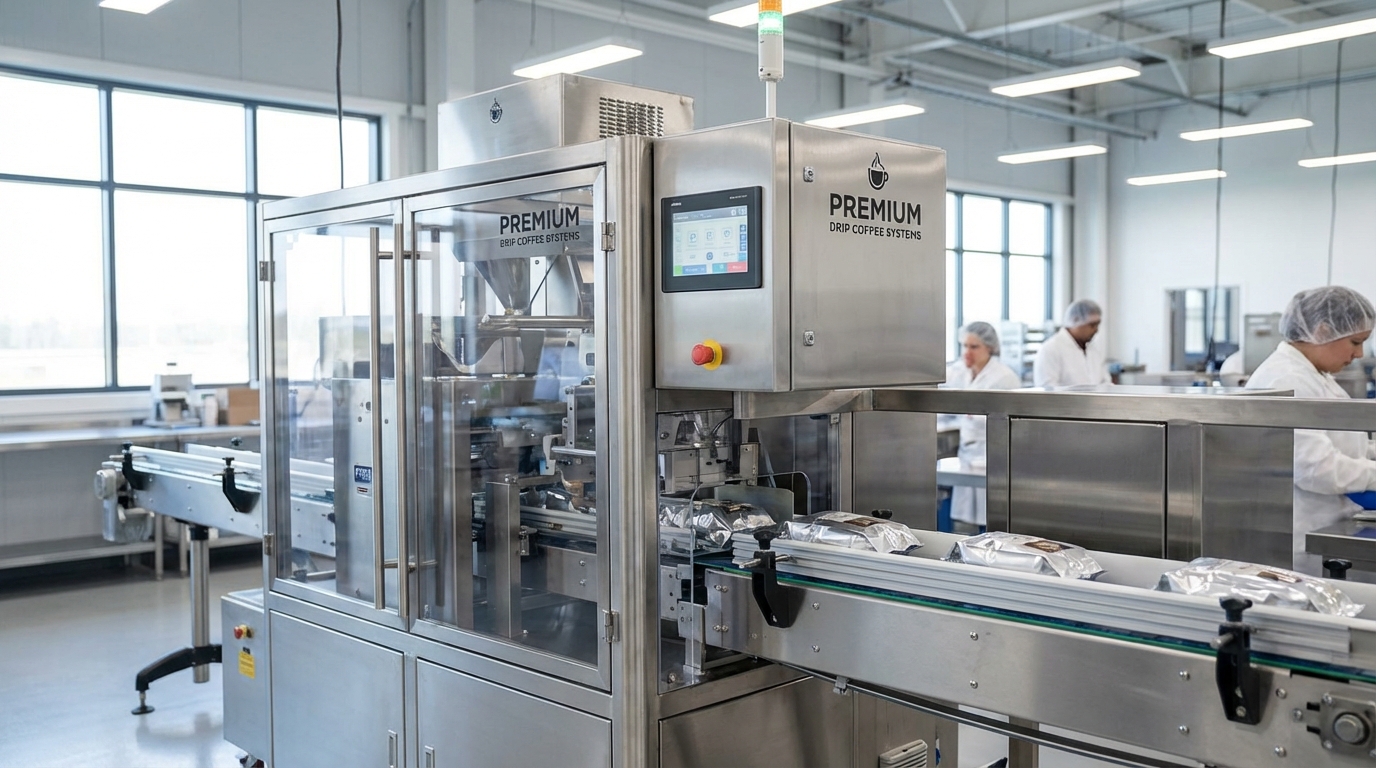
A robust daily cleaning protocol is the foundation of mechanical reliability, ensuring your production line runs without friction or unexpected failures. Imagine a scenario where a $50,000 order is delayed because a single sensor was caked in coffee dust, causing a total system jam. This simple oversight leads to hours of frantic troubleshooting, missed deadlines, and a stressed-out floor manager. By adopting a formal machine cleaning SOP, you eliminate these “invisible” risks and maintain the high-precision standards that newideapack equipment is famous for.
Why is a machine cleaning SOP vital for your production line?
A standardized cleaning protocol is vital because it prevents abrasive product residue from causing premature wear on high-speed moving parts. Implementing a machine cleaning SOP ensures that every technician follows the same high standards, regardless of their experience level. This consistency protects your newideapack investment and guarantees that your packaging remains pristine and professional for every customer.
How does cleaning improve your equipment’s precision?
You need to understand that even microscopic dust particles can interfere with the weighing and filling accuracy of your machine. When you keep the contact surfaces clear of debris, the load cells and vibratory trays can operate with their intended ±0.1g precision.
Prevents product bridging in the hopper.
Ensures free movement of the weighing gates.
Maintains the sensitivity of the internal load sensors.
But here is the kicker: A clean machine doesn’t just look better; it performs with a level of accuracy that a neglected one simply cannot match. If you value your brand’s reputation for consistency, you cannot afford to skip this step.
Can you reduce maintenance costs through daily care?
You can significantly lower your long-term repair bills by catching small issues during the daily wipe-down process. Think about it: a technician who is cleaning the machine is also the most likely person to spot a loose bolt or a fraying belt.
Early detection of part fatigue.
Lower replacement frequency for consumable components.
Reduced need for emergency technician call-outs.
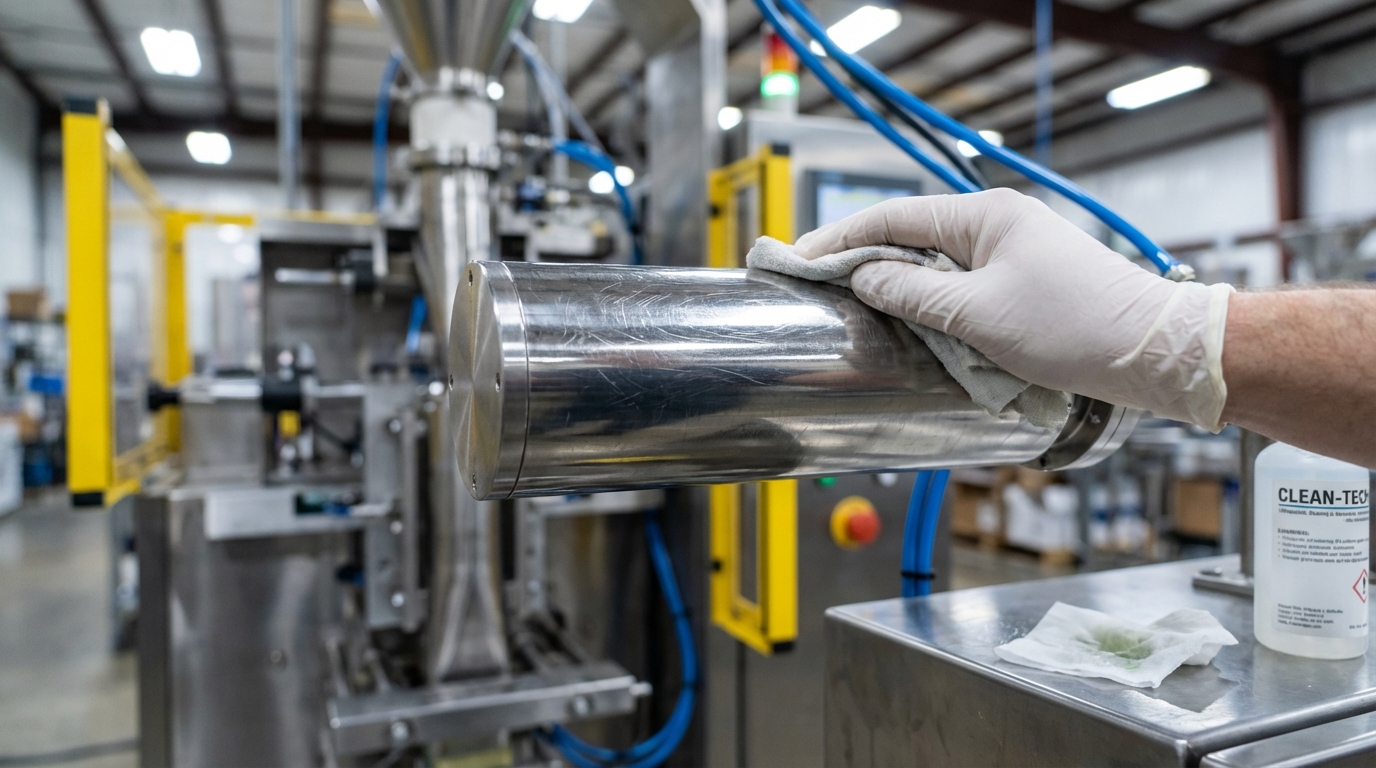
Wait, there’s more: Regular cleaning removes corrosive oils and acids found in coffee that would otherwise eat away at stainless steel surfaces over time. You are essentially extending the life of your equipment every time you pick up a brush.
Key Takeaway: Consistent hygiene practices transform maintenance from a reactive emergency into a proactive strategy for long-term mechanical health.
Factor
Impact on Efficiency
Daily Benefit
Precision
Maintains ±0.1g accuracy
Zero weight rejects
Cost
Reduces part wear
Lower annual OpEx
Uptime
Eliminates dust-led stops
Smoother shift flow
Proactive cleaning strategies directly correlate with a reduction in variance-related production waste.
What tools do you need for a daily machine cleaning SOP?
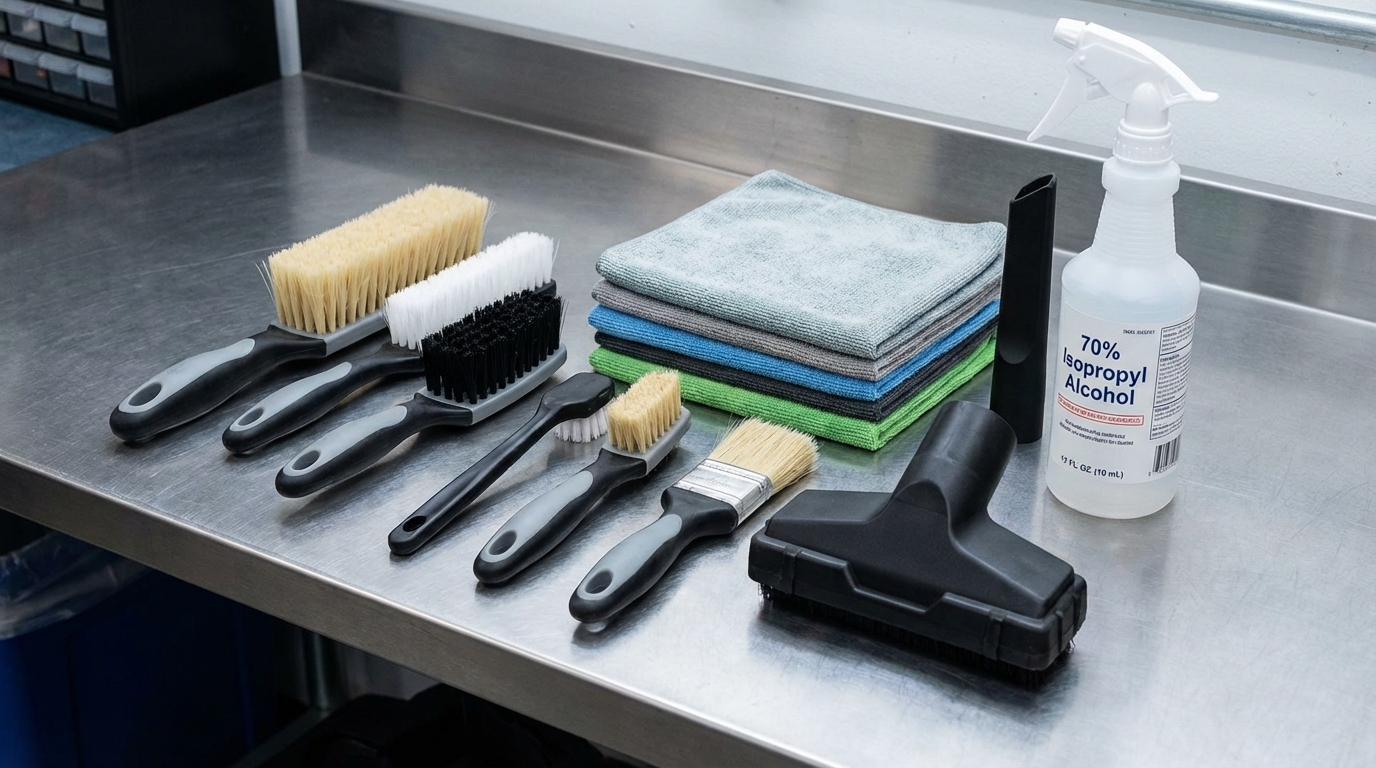
The necessary tools for an effective protocol include food-safe solvents, soft-bristled brushes, and industrial-grade HEPA vacuums. Every machine cleaning SOP must specify the exact equipment allowed near the production line to prevent cross-contamination or damage to sensitive electronic components. By providing your team with a dedicated newideapack cleaning kit, you remove the excuse for poor maintenance.
Why should you use specific food-grade solvents?
You must avoid harsh industrial chemicals that could potentially leach into your coffee or damage the machine’s finish. 70% Isopropyl alcohol is often the gold standard because it evaporates quickly without leaving a trace of moisture on the metal.
Safe for all stainless steel 304/316 surfaces.
Dissolves coffee oils effectively.
Sanitizes contact points without rinsing.
Think about it: If you use the wrong chemical, you risk corroding the very machine you are trying to save. You should always verify that your cleaning agents meet the strict safety requirements of your specific industry.
Do you have the right brushes for the job?
You need a variety of brush sizes to reach the deep crevices and narrow channels within the filling system. Soft nylon bristles are preferred because they won’t scratch the delicate surface of the ultrasonic sealing horns.
Fine brushes for sensor lenses and eyes.
Medium-stiff brushes for drive chains and gears.
Non-abrasive pads for the exterior housing.
Here is the real secret: The right tool makes the job faster and more thorough, which means your staff is more likely to do it correctly. You should organize these tools in a shadow board to ensure nothing is lost during a busy shift.
Key Takeaway: Equipping your staff with professional-grade, food-safe tools ensures the machine remains both sanitary and mechanically sound.
Tool Type
Recommended Item
Primary Target
Solvent
70% IPA Spray
Contact surfaces/Sensors
Agitator
Nylon Detail Brushes
Hard-to-reach joints
Absorption
Microfiber Cloths
Exterior and film path
Specialized tool selection prevents the accidental introduction of physical or chemical contaminants during cleaning.
How do you prepare your equipment for a safe machine cleaning SOP?
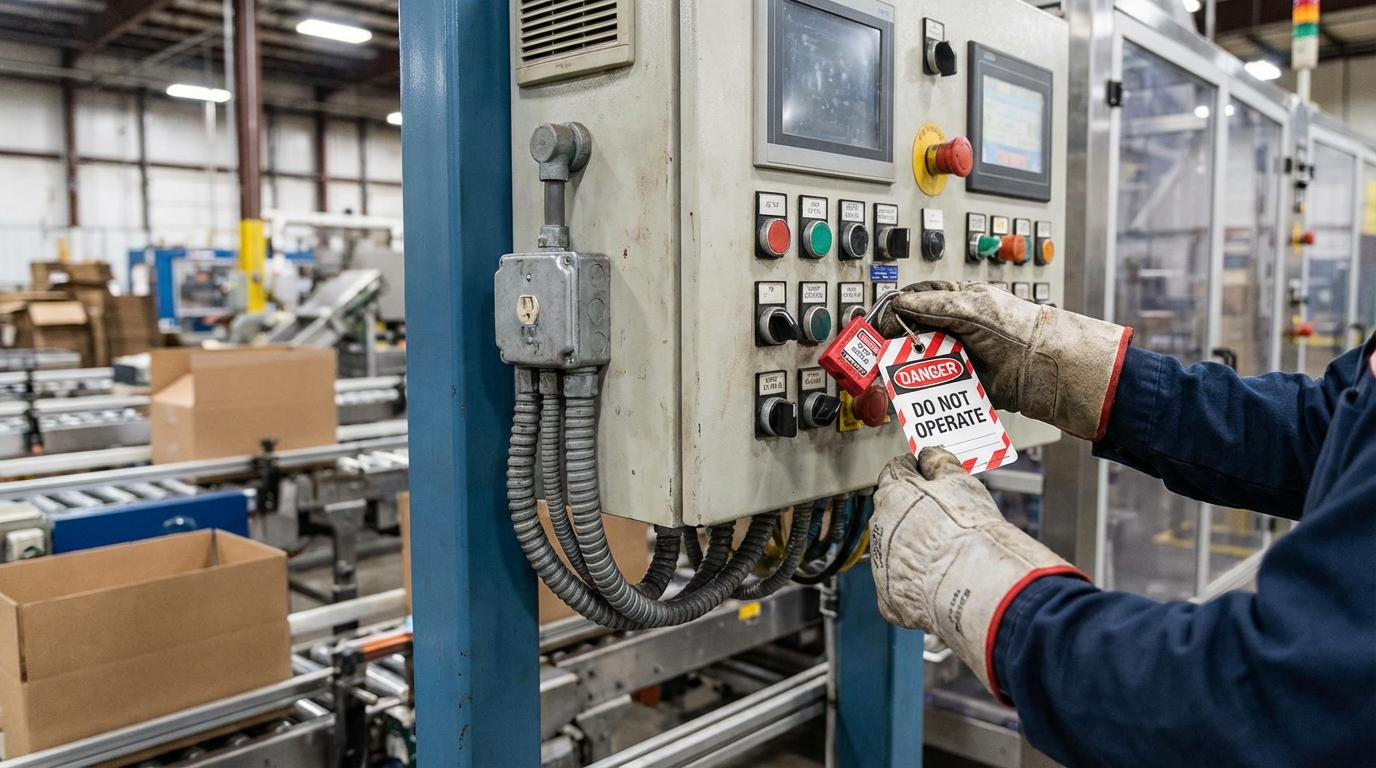
Safety preparation begins with a strict Lock-Out Tag-Out (LOTO) procedure to ensure the machine cannot be accidentally energized while a technician is cleaning. Every machine cleaning SOP must prioritize operator safety by de-energizing electrical, pneumatic, and hydraulic systems before any work begins. This is a non-negotiable step that protects your team from the high-speed moving parts of a newideapack system.
Why is energy isolation your first priority?
You cannot rely on a simple “stop” button when your hands are deep inside the cutting mechanism or the sealing jaws. A true LOTO protocol requires you to physically lock the power switch and keep the key on your person at all times.
Prevents accidental remote restarts.
Protects against electrical surges during wipe-downs.
Ensures the machine remains stationary for deep cleaning.
Believe me: A momentary lapse in safety protocol can lead to life-altering injuries or catastrophic machine damage. You must make safety the “gatekeeper” step that must be completed before any cleaning tool touches the machine.
How do you safely clear the product hopper?
You should always use the “manual discharge” function to empty the remaining coffee beans or powder before starting the manual cleaning process. This reduces the physical labor required and keeps the dust levels in the air to an absolute minimum.
Minimizes product waste between shifts.
Prevents the accumulation of old, stale residue.
Allows for a clear view of the agitator and gates.
But here is the kicker: If you don’t empty the hopper first, you are just moving the dirt around instead of removing it. You want to start with a “blank canvas” so you can spot even the smallest signs of wear on the internal components.
Key Takeaway: A disciplined safety and prep phase is the only way to perform thorough maintenance without putting your personnel at risk.
Prep Step
Safety Level
Documentation
LOTO
Critical
Lock-Out Log Signed
Air Bleeding
High
Pressure Gauge Verified
Hopper Drain
Operational
Material Return Log
Strict adherence to isolation protocols is the hallmark of a world-class manufacturing facility.
Which parts of the machine require the most machine cleaning SOP attention?
The highest priority areas for cleaning are the sealing zones and the filling nozzles where product contact is most frequent. A well-designed machine cleaning SOP focuses heavily on the ultrasonic sealing horns and cutting knives to prevent residue buildup that can ruin a seal. At newideapack, we emphasize these “critical zones” because they directly determine whether your bag is airtight and visually perfect.
Why are the sealing jaws so sensitive to residue?
You need to keep the sealing surfaces perfectly clean because even a tiny speck of carbonized film can create a gap in the seal. This leads to “leakers” that can compromise the shelf life of your premium coffee products.
Prevents uneven heat distribution during sealing.
Reduces the risk of “pinhole” leaks in the film.
Ensures the clean, textured finish of the seal.
Think about it: The sealing jaw is where your product becomes a finished good; any imperfection here is a direct reflection of your brand’s quality. You should check these surfaces every few hours during high-volume runs.
What happens if you neglect the cutting knives?
You will find that dirty knives lead to ragged, unprofessional edges on your drip bags that frustrate consumers. Over time, adhesive residue from the packaging film can gum up the blades, making them dull and prone to tearing rather than cutting.
Maintains a sharp, clean cut for every bag.
Prevents film jams caused by “sticky” knives.
Extends the time between professional blade sharpening.
Wait, there’s more: A clean blade also requires less force to cut, which puts less stress on the pneumatic cylinders that drive the mechanism. You are essentially protecting the machine’s “muscles” by keeping its “teeth” clean.
Key Takeaway: Prioritizing the sealing and cutting zones ensures that your machine produces a marketable, high-quality product every single time.
Critical Zone
Cleaning Frequency
Risk of Neglect
Sealing Horn
Every Shift
Compromised bag integrity
Cutting Knife
Daily
Ragged edges/Film jams
Bag Former
Every Batch
Misaligned packaging
Targeted cleaning of high-impact zones prevents the majority of common packaging defects.
How do you handle sensors during your machine cleaning SOP?
Sales Pitch Component
Ready to Maximize Your Production Efficiency?
Whether you need a custom maintenance schedule, spare parts, or a quote for a new high-precision packaging system, we are just one message away.