How To Maintain Coffee Freshness With Premium Drip Coffee Filter Paper
2026年1月8日 by newideapack
Many coffee enthusiasts struggle with stale brews, unaware that using a premiumdrip coffee filter paper is only half the battle. To truly maintain coffee freshness, you must combine high-quality filtration with sustainable outer packaging that locks in volatile aromas.
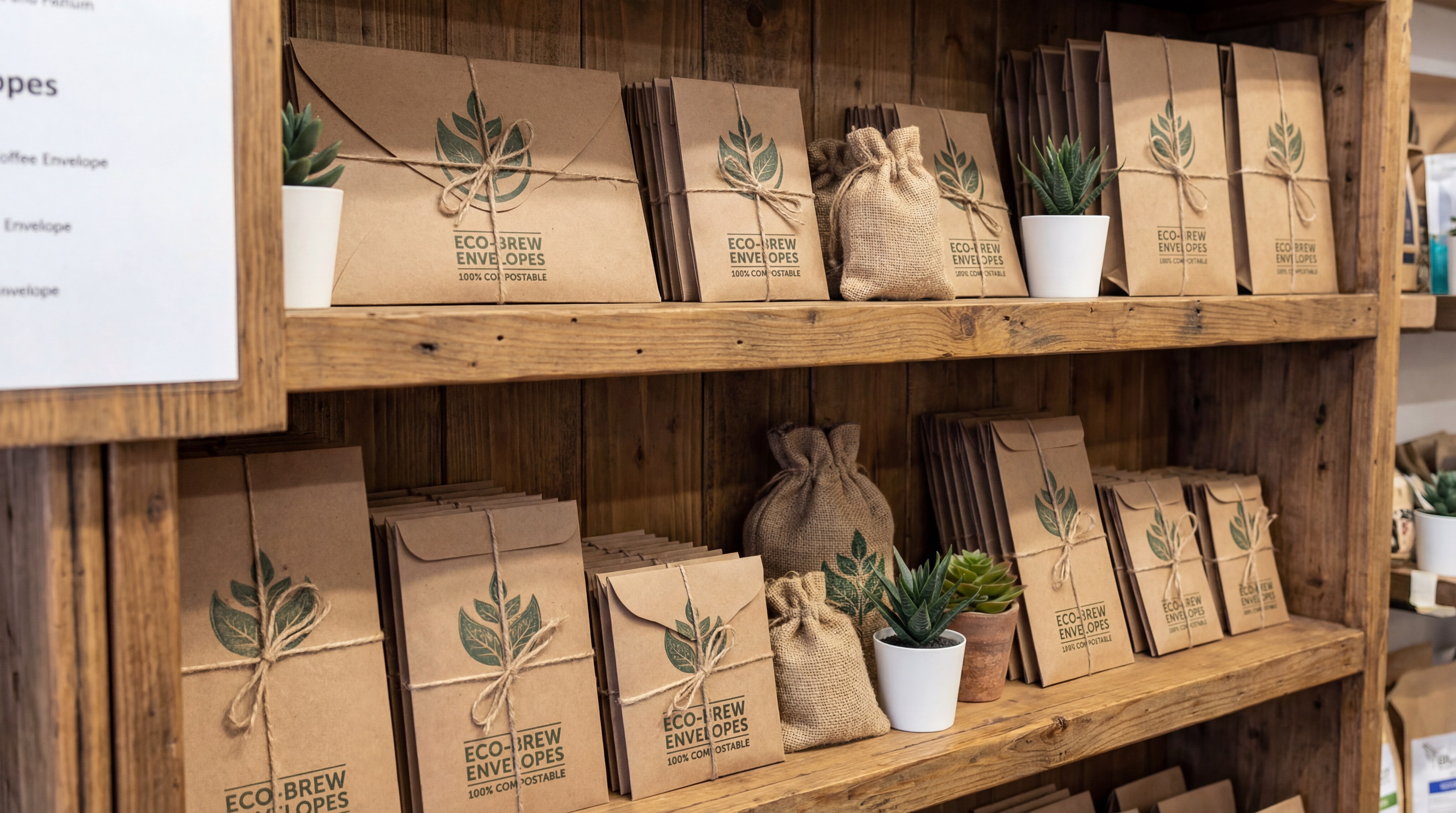
Switching to eco-friendly coffee envelopes is a strategic move to align your brand with the rapidly growing global demand for sustainable business practices. You will find that modern consumers are increasingly willing to pay a premium for products that don’t harm the environment. This shift is no longer just a “nice-to-have” but a necessity for staying competitive in the specialty coffee market.
Is consumer demand really shifting?
Market data indicates that over 60% of coffee drinkers prioritize sustainable packaging when selecting a new brand. You can capitalize on this trend by being transparent about your material choices.
Increased customer retention rates.
Improved brand reputation in eco-conscious circles.
Reduction in overall carbon footprint.
Think about it.
What are the regulatory benefits?
Many regions are now implementing strict bans on single-use plastics that are difficult to recycle. By adopting these solutions now, you avoid the headache of sudden compliance changes later.
Future-proofing your business against new laws.
Easier entry into international markets with green standards.
Potential tax breaks for using renewable materials.
Here is the kicker.
Benefit Category
Impact Level
Primary Outcome
Brand Image
High
Increased Trust
Compliance
Medium
Risk Mitigation
Sales Growth
High
Market Expansion
Adopting sustainable materials early prevents expensive operational pivots when plastic regulations tighten.
Key Takeaway: Sustainable envelopes protect your market share by meeting both consumer expectations and legal requirements.
How do paper vs plastic eco-friendly coffee envelopes compare?
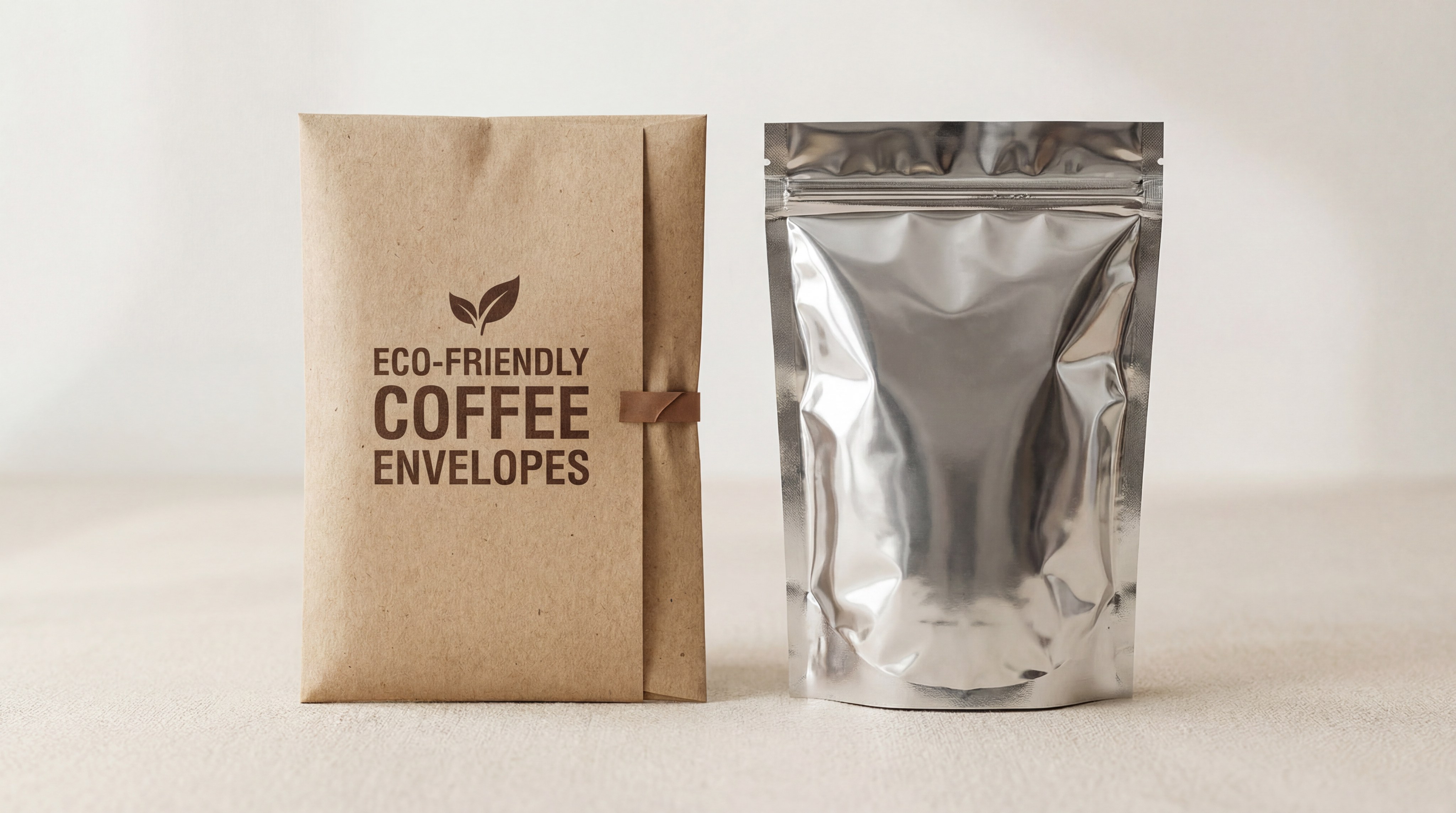
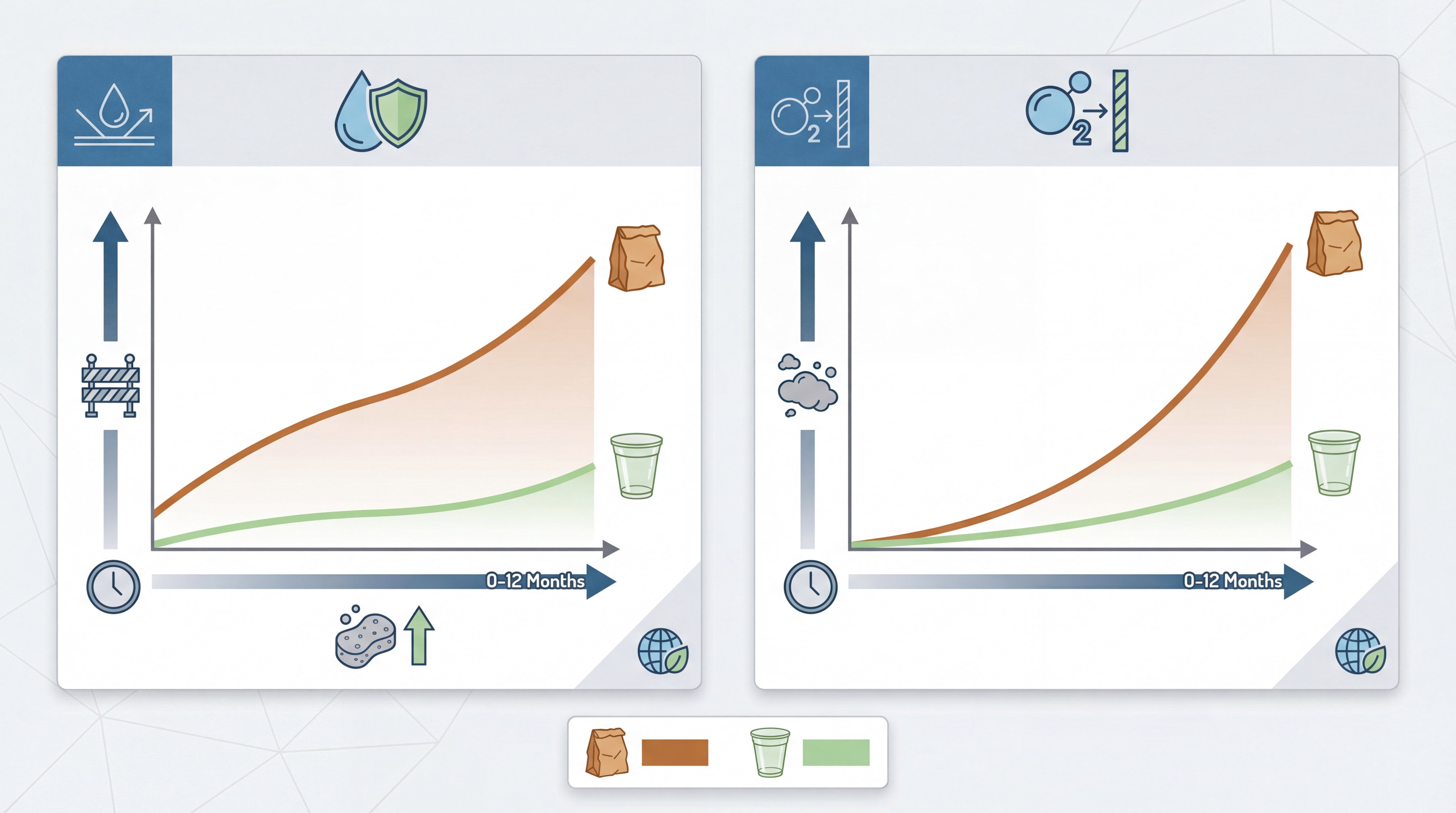
Comparing paper and plastic options for eco-friendly coffee envelopes requires a deep dive into barrier properties and aesthetic appeal. While paper offers a natural look that customers love, bio-plastics often provide the airtight seal necessary for long-distance shipping. You must weigh the shelf-life requirements of your specific roast against your brand’s sustainability goals.
Why choose paper-based envelopes?
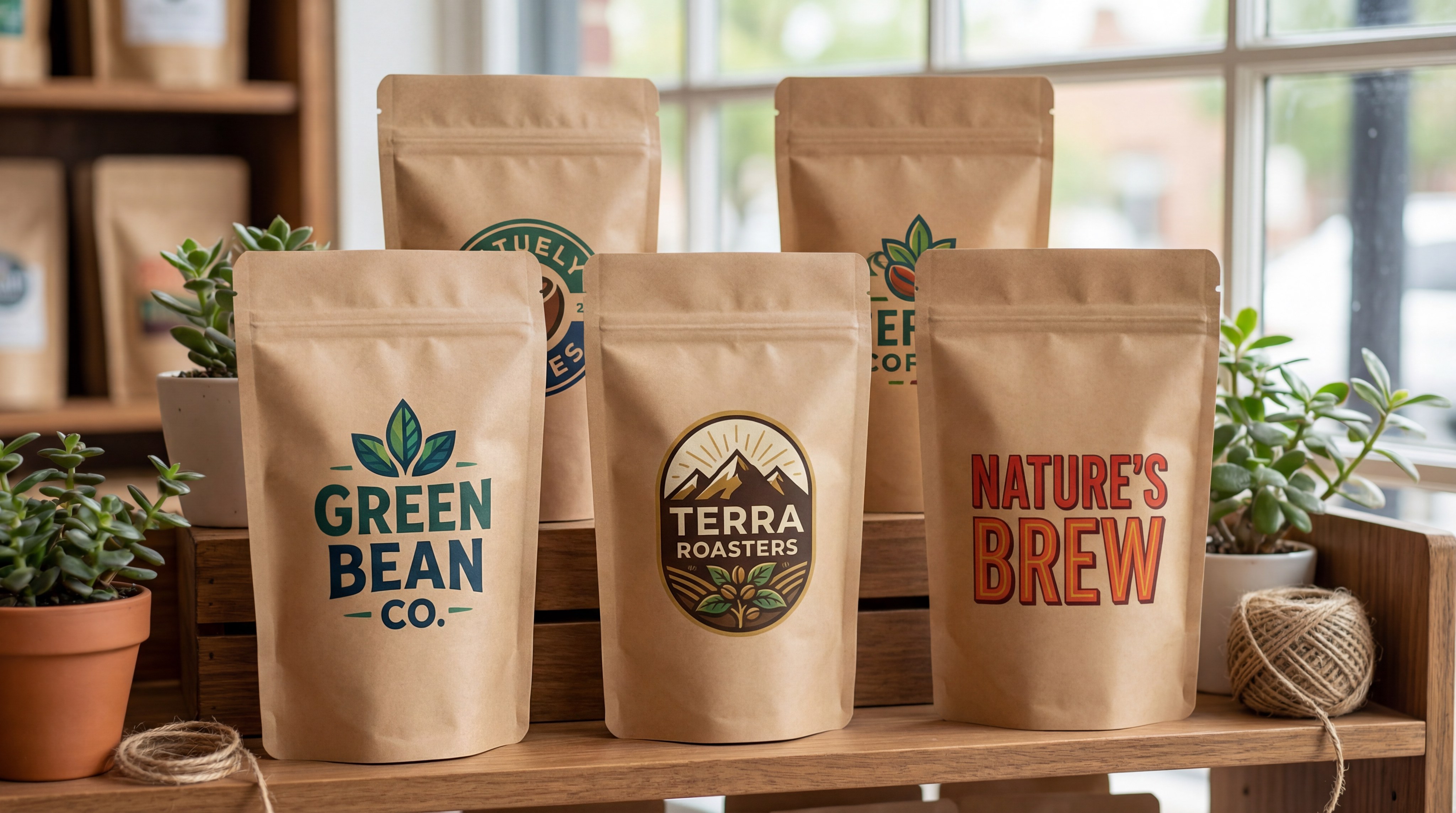
Paper envelopes provide an unmistakable tactile experience that signals “organic” and “premium” to the buyer. You can use recycled kraft paper to give your product a rustic feel that stands out on retail shelves.
Highly biodegradable and often backyard compostable.
Excellent surface for high-quality matte printing.
Lightweight and easy for consumers to recycle.
But there is a catch.
When are bio-plastics a better fit?
Bio-plastics like PLA offer the same moisture and oxygen barriers as traditional petroleum-based plastics. You might prefer these if your distribution chain involves high humidity or long transit times.
Superior aroma retention for ground coffee.
Transparent window options for product visibility.
High tensile strength to prevent puncture during shipping.
Check this out.
Feature
Paper-Based
Bio-Plastic (PLA)
Barrier Level
Moderate
High
Biodegradability
Very High
Industrial
Customization
Excellent
Good
Matching the specific material to your distribution needs ensures your coffee stays fresh without environmental waste.
Key Takeaway: Choose paper for short-term retail and bio-plastics for long-distance logistics and maximum aroma locking.
Do eco-friendly coffee envelopes protect coffee freshness?
Protecting the volatile oils and delicate aromas of your roast is the primary job of eco-friendly coffee envelopes. You don’t have to sacrifice flavor for sustainability if you select materials with the right barrier layers. Newidea Pack ensures that even our most sustainable options keep your coffee tasting exactly as you intended.
How do barrier layers work?
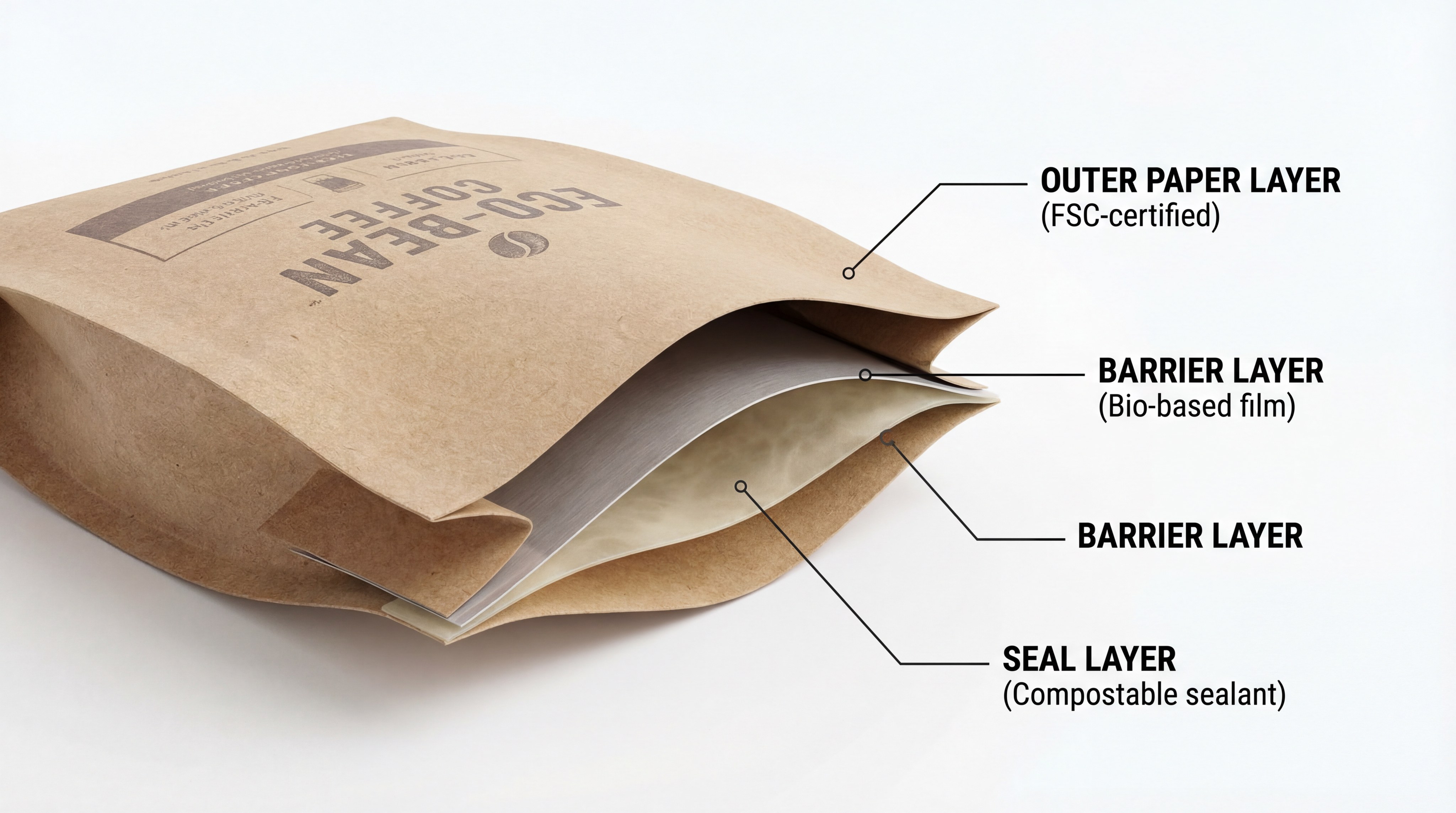
Modern sustainable envelopes often use a multi-layer structure where a bio-film or metalized paper acts as the oxygen blocker. You get the protection of foil without the environmental guilt.
Blocks UV light to prevent oil oxidation.
Prevents moisture ingress that causes staleness.
Locks in complex aromatic compounds.
You see.
Can they handle degas valves?
Many sustainable outer envelopes can now be fitted with compostable one-way degas valves. This allows you to pack beans immediately after roasting without worrying about bag expansion.
Releases CO2 without letting oxygen in.
Extends shelf life by several months.
Maintains the structural integrity of the bag.
Believe it or not.
Protection Factor
Traditional Plastic
Sustainable Composite
Oxygen Barrier
10/10
9.5/10
UV Resistance
10/10
9/10
Aroma Sealing
10/10
10/10
Advanced material science has virtually closed the performance gap between green and traditional packaging formats.
Key Takeaway: High-performance sustainable materials provide barriers that rival traditional foil, keeping your roast fresh.
What materials make eco-friendly coffee envelopes durable?
The durability of eco-friendly coffee envelopes depends on the blend of natural fibers and innovative polymers used in their construction. You need a package that can withstand the rigors of automated filling and the bumps of the postal system. If your envelopes tear easily, the resulting product loss will erase any environmental gains.
Is Kraft paper strong enough?
Reinforced Kraft paper used in sustainable packaging is often laminated with a plant-based liner for extra strength. This prevents the “bursting” effect often seen in cheaper, single-layer paper bags during high-speed production.
High burst strength for heavy ground coffee.
Resistance to scuffing during transport.
Stable base for stand-up pouch designs.
Wait, there’s more.
What about puncture resistance?
If you are packing whole beans with sharp edges, bio-based films like cellulose provide excellent puncture resistance. You won’t have to worry about tiny holes ruining the vacuum seal of your coffee.
Flexible yet tough against mechanical stress.
Maintains seal integrity under pressure.
Lower failure rates during bulk shipping.
It gets better.
Material Type
Tensile Strength
Puncture Resistance
Coated Paper
Medium
Low
Laminated Kraft
High
Medium
Bio-Polymer Film
High
High
Selecting the correct material thickness and lamination ensures your product arrives in perfect condition every time.
Key Takeaway: Laminated sustainable materials offer the mechanical strength required for both industrial processing and rough consumer handling.
Are eco-friendly coffee envelopes machine-ready?
Integrating eco-friendly coffee envelopes into your existing production line is easier than you might think. Most modern packaging equipment is designed to handle varying material thicknesses and seal temperatures. You won’t need to replace your entire setup to transition to green materials.
Will they run on standard machines?
Most sustainable films and papers are compatible with Vertical Form Fill Seal (VFFS) machines with minor adjustments. You simply need to calibrate the heat-sealing bars to match the melting point of the bio-liner.
Compatible with most HFFS and VFFS units.
Minimal downtime for material changeovers.
Adjustable sealing parameters for different textures.
Here is the secret.
How does ultrasonic sealing help?
For materials that are sensitive to high heat, ultrasonic sealing provides a cold-sealing alternative. You can achieve a hermetic seal on sustainable fabrics without burning the outer paper layer.
Consistently strong seals even through dust.
Lower energy consumption for the machine.
Precise seal widths to save on material.
The best part?
Adjustment Type
Complexity
Impact on Speed
Temperature Tuning
Low
Minimal
Sealing Pressure
Low
None
Roller Tension
Medium
Low
Seamless integration means you can transition to green packaging without losing significant production speed or efficiency.
Key Takeaway: Modern packaging machines are highly adaptable to sustainable materials, requiring only minor technical tuning.
What is the ROI on eco-friendly coffee envelopes?
Calculating the ROI of eco-friendly coffee envelopes involves looking beyond the initial material cost per unit. You should consider the long-term gains in brand equity, reduced waste disposal fees, and increased sales volume. Often, the marketing value of “100% Compostable” packaging far outweighs the few cents added to production.
Can sustainability drive sales?
Many B2B buyers, such as eco-hotels and specialty cafes, will only stock products with sustainable packaging. You open doors to high-end partnerships that were previously closed to brands using traditional plastics.
Access to premium “green” retail channels.
Ability to justify a higher price point.
Enhanced social media “unboxing” appeal.
Think about it.
How do you save on waste costs?
As carbon taxes and plastic levies increase, choosing sustainable materials helps you avoid rising operational taxes. You can reduce your waste management expenses by using materials that don’t require specialized hazardous disposal.
Lower “extended producer responsibility” fees.
Reduced shipping weight in some paper formats.
Decreased environmental cleanup liability.
Actually.
ROI Driver
Timeframe
Financial Impact
Customer Loyalty
Long-term
High
Regulatory Savings
Mid-term
Medium
Sales Conversion
Short-term
High
Green packaging turns a standard operational cost into a powerful marketing asset that drives revenue.
Key Takeaway: Sustainable packaging is a high-yield investment that pays off through market expansion and significant risk reduction.
Can eco-friendly coffee envelopes improve brand loyalty?
Eco-friendly coffee envelopes act as a silent ambassador for your brand’s values every time a customer opens a sachet. You show that you care about the planet as much as you care about the quality of the roast. This emotional connection is the foundation of long-term customer loyalty in a crowded market.
Does packaging tell a story?
Your choice of materials communicates your brand’s mission without saying a single word to the customer. You can use the outer envelope to educate your buyers on your sustainable sourcing and packaging journey.
Reinforces a premium, ethical brand image.
Provides space for “story-telling” graphics.
Encourages customer participation in recycling.
Here’s the deal.
Can it improve the unboxing experience?
The natural texture of paper or the soft-touch feel of bio-plastics provides a sensory experience that standard plastic cannot match. You make the act of brewing coffee feel like a more intentional, high-end ritual for the consumer.
Tactile satisfaction from matte finishes.
Visual distinction from “cheap” competitors.
A sense of pride for the consumer.
Actually.
Loyalty Metric
Plastic
Eco-Friendly
Trust Factor
Low
High
Social Sharing
Low
High
Brand Perception
Budget/Mass
Premium/Ethical
Brands that respect the environment earn the respect of their customers, leading to higher lifetime value.
Key Takeaway: Sustainable packaging creates a deeper emotional bond with your customers, leading to repeat purchases.
Is nitrogen flushing safe for eco-friendly coffee envelopes?
Nitrogen flushing is a critical process for removing oxygen from your eco-friendly coffee envelopes, and it is perfectly safe for most sustainable materials. You can maintain a residual oxygen level of less than 1%, ensuring your coffee stays fresh for up to a year. Newidea Pack machines are fully equipped to integrate nitrogen injection with eco-friendly films.
Does the nitrogen leak out?
As long as you choose a material with a high gas barrier, the nitrogen will stay inside effectively. You won’t lose the protective atmosphere that prevents your coffee grounds or beans from going stale prematurely.
Maintains the “fresh-roasted” aroma.
Prevents the bag from collapsing under pressure.
Safe for both bean and ground formats.
But wait.
Will it affect the compostability?
The nitrogen itself is an inert gas that has zero impact on the biodegradability of the envelope material. You can flush your bags without worrying about contaminating the composting process later.
Zero chemical residue on the packaging.
Safe for industrial composting facilities.
No change to the material’s breakdown speed.
It’s a win-win.
Feature
Nitrogen Compatible?
Barrier Needed
Bio-Film
Yes
High
Coated Paper
Yes
Medium
Multi-layer Laminate
Yes
High
Using nitrogen with eco-friendly envelopes gives you the best of both worlds: extreme freshness and environmental sustainability.
Key Takeaway: Nitrogen flushing is fully compatible with high-barrier sustainable materials, ensuring long-term flavor preservation.
How are eco-friendly coffee envelopes actually recycled?
Understanding the disposal path of your eco-friendly coffee envelopes is vital for giving accurate instructions to your customers. You must distinguish between materials that are “recyclable” in the blue bin and those that are “compostable” in industrial facilities. Clear labeling on your packaging prevents cross-contamination in waste streams.
What does “compostable” really mean?
Most sustainable coffee envelopes are “industrially compostable,” requiring the heat and microbes of a professional facility to break down. You should encourage your customers to check if their local municipality accepts PLA or bio-based papers.
Breaks down into water, CO2, and biomass.
Leaves no microplastic residue behind.
Enriches soil for future agricultural use.
Check this.
Can they go in the paper bin?
Some newer mono-material paper envelopes are designed to be repulped alongside standard cardboard and office paper. You should look for plastic-free certifications if you want your customers to use the standard recycling stream.
Easily processed by existing paper mills.
Supports a true circular economy.
High consumer convenience for disposal.
Keep in mind.
Label Type
Disposal Method
Environmental Impact
Recyclable
Blue Bin (Paper)
High Circularity
Compostable
Green Bin (Industrial)
Soil Enrichment
Home Compost
Backyard Pile
Maximum Eco-Benefit
Clear communication on disposal is the final step in ensuring your sustainability efforts actually benefit the planet.
Key Takeaway: Clear disposal labeling ensures your eco-friendly materials reach the correct waste stream to maximize their benefit.
Where to find quality eco-friendly coffee envelopes?
Finding a reliable supplier for eco-friendly coffee envelopes requires vetting their certifications and machine compatibility. You need a partner who understands both the material science and the mechanical requirements of high-speed coffee packaging. Don’t settle for “green-washed” products that fail to provide a real moisture barrier.
What certifications should you look for?
Ensure your supplier provides proof of certifications like TUV OK Compost or BPI for compostability. You should also ask for food-grade safety documentation to ensure no chemicals leach into your coffee.
ASTM D6400 or EN 13432 for compostability.
FDA or EU food contact approval.
ISO quality management standards.
Here is the best part.
Can they provide custom samples?
A good supplier will offer custom sample runs so you can test the material on your own production machines. You should verify the seal strength and print quality before committing to a large bulk order.
Test for seam durability under pressure.
Check for color accuracy on paper textures.
Verify the friction coefficient for machine feeding.
Don’t miss this.
Selection Criteria
Importance
Why it Matters
Certifications
Critical
Legal Compliance
Machine Testing
High
Production Efficiency
Custom Printing
Medium
Brand Identity
The right supplier acts as a partner in your brand’s growth and environmental mission.
Key Takeaway: Partner with suppliers who provide certified materials and offer technical support for seamless machine integration.
Conclusion
Choosing the right outer envelope is a pivotal decision for any modern coffee brand. By transitioning to sustainable materials, you protect your product’s freshness while building a legacy of environmental responsibility. Newidea Pack is committed to helping you navigate this shift with world-class machinery and certified eco-friendly solutions.
Frequently Asked Questions
Can I use my current packaging machine for eco-friendly envelopes? Yes, most standard machines are compatible. You will typically only need to adjust the heat-sealing temperature and pressure to accommodate the unique properties of bio-films or papers.
What’s the best material for long shelf life? Laminated bio-plastics or metalized paper are the best choices. These multi-layer materials provide the high oxygen and moisture barriers required to keep coffee fresh for up to 12 months.
How do I know if they are truly compostable? Check for official certifications. Look for symbols from organizations like BPI or TUV (OK Compost) to ensure the material has been lab-tested to break down safely without leaving toxins.
Can I print high-quality logos on paper envelopes? Absolutely, paper is an excellent substrate for printing. Modern flexographic and digital printing techniques allow for vibrant colors and intricate designs even on textured kraft paper surfaces.
Are they more expensive than traditional plastic? Initially, they often carry a small premium. However, the investment is offset by increased brand loyalty, access to premium markets, and the avoidance of future plastic taxes and fees.
Sales Pitch Component
Are you ready to future-proof your coffee business?
We invite you to contact us today to explore our full range of sustainable packaging machines and materials. Let’s work together to create a packaging strategy that delights your customers and respects our planet.