How To Achieve Accurate Coffee Fines Management In High Speed Packaging
2026年2月7日 by newideapack
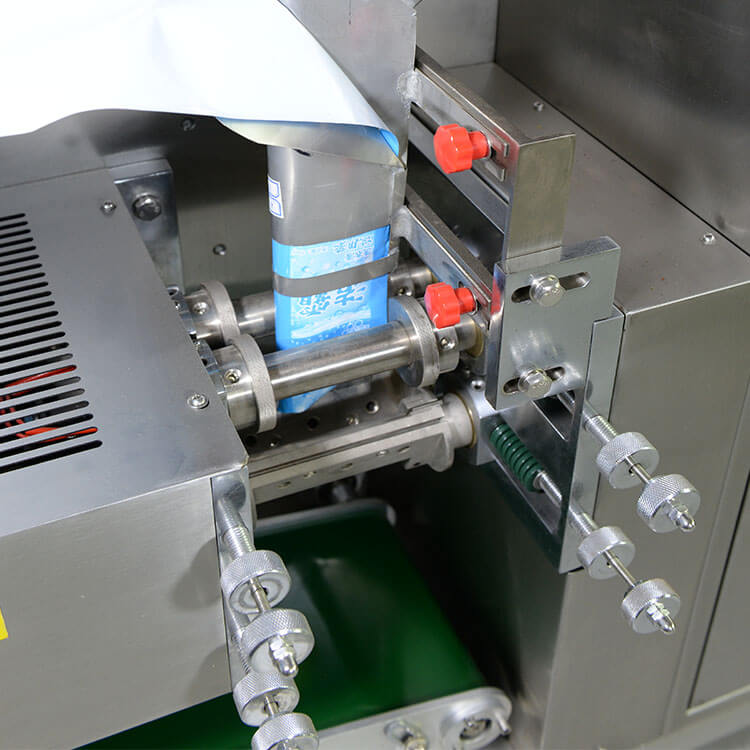
To solve the “fine powder” problem and improve flowability in drip coffee packaging, you must integrate precision-engineered auger fillers with active anti-static systems and ultrasonic sealing technology. If you have ever seen your production line grind to a halt because of “dusty” seals or inconsistent bag weights, you know that ground coffee behaves differently than whole beans. This tiny, powdery debris—often called “fines”—clings to everything, creating a mess that ruins your brand’s premium feel and eats into your profit margins. Implementing a robust coffee fines management strategy ensures your Newideapack machines operate at peak efficiency without the headache of constant manual cleaning.
Why is coffee fines management critical for drip bag integrity?
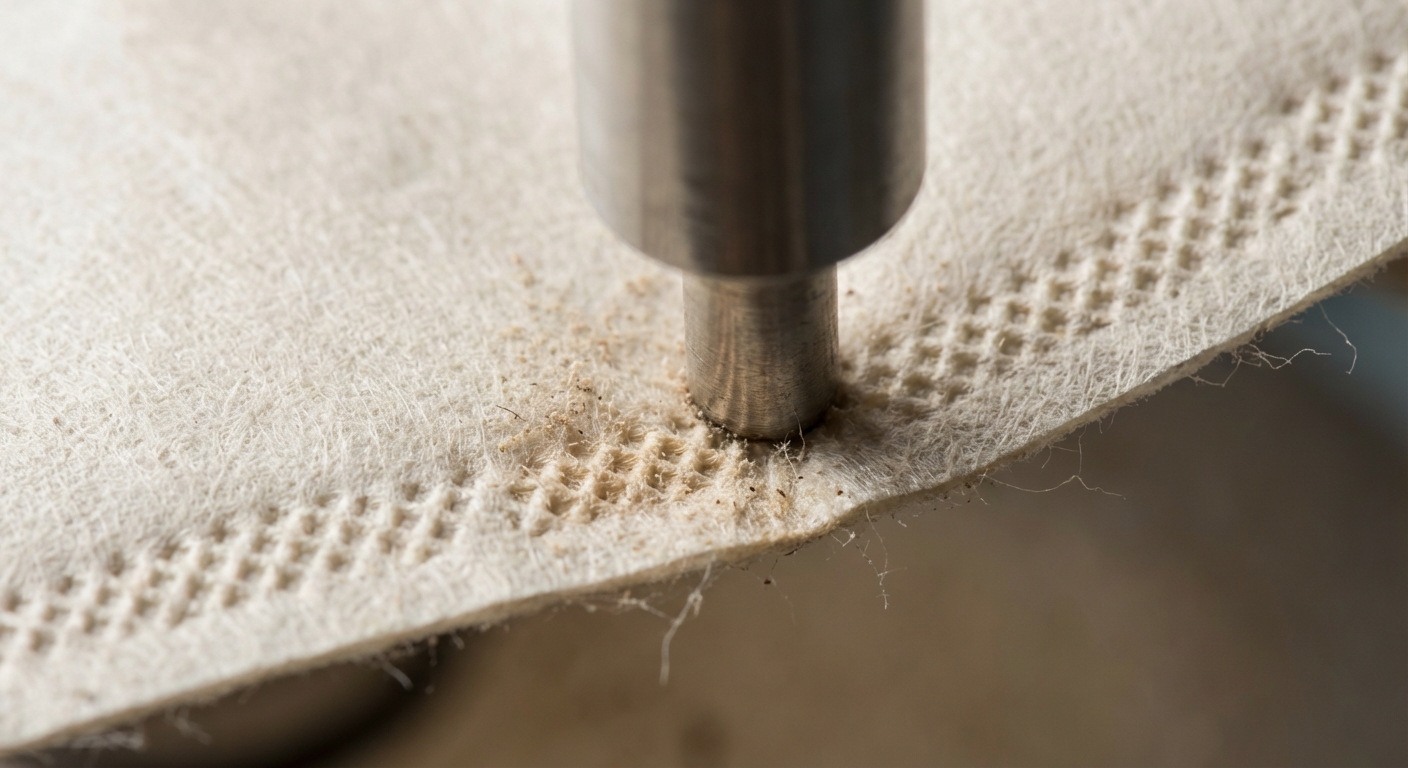
Efficient coffee fines management is the secret to maintaining the structural integrity of your drip coffee bags during high-speed production. When microscopic coffee particles escape the filling zone, they settle on the sealing area of the inner non-woven filter, leading to weak bonds and eventual leakage.
Does dust prevent a perfect seal?
Dust is the silent killer of seal strength, especially in the delicate non-woven fabrics used for drip bags. If even a thin layer of powder sits between the sealing jaws, the heat or ultrasonic waves cannot fuse the fibers properly.
Think about it:
Residual dust causes “bridging” across the seal.
Weak seals lead to oxygen ingress and stale coffee.
Poor bag integrity results in high reject rates.
Will fines cause weight variations?
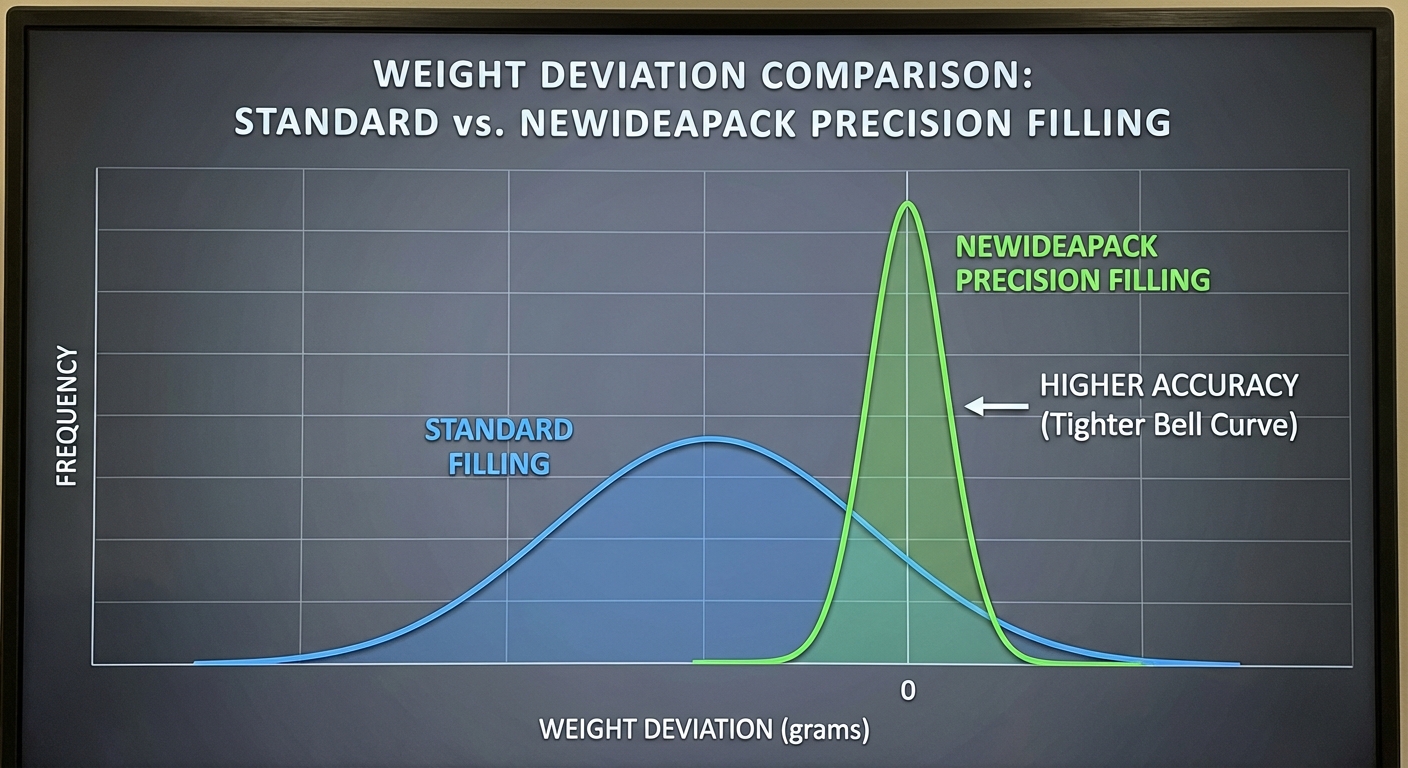
Inconsistent flowability directly impacts your bottom line by causing “overfill” to compensate for accuracy gaps. When fines clump together due to moisture or oils, they don’t flow smoothly through the dispenser, leading to unpredictable dosing.
But here is the kicker:
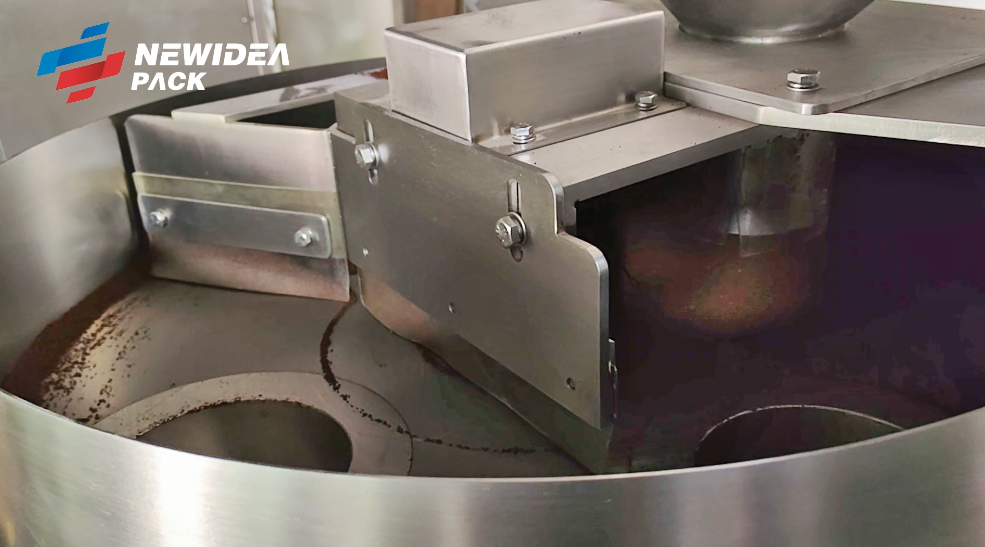
Newideapack machines utilize vacuum suction to pull these fines away before the seal is even formed.
The use of high-torque servo motors ensures that every rotation of the screw is exact, regardless of how “sticky” the powder becomes.
Key Takeaway: Proper management of fines prevents seal failure and ensures you never give away free product through overfilling.
Problem
Impact
Solution
Dust in Seals
Leaking bags
Vacuum suction
Clumping Fines
Weight errors
Servo auger control
A clean sealing environment is the foundation of a high-quality drip coffee product that survives the supply chain.
How does static electricity affect coffee fines management?
chieve Accurate Coffee Fines Management In High Speed Packaging
Static electricity is often the root cause of poor coffee fines management because it causes particles to repel each other and stick to the machine’s metal surfaces. In a dry factory environment, the friction of grinding and conveying coffee generates a massive static charge that makes the powder act like it has a mind of its own. Using our precision packaging solutions allows you to counteract these invisible forces effectively.
Why does static make powder fly?
When coffee grounds are charged, they “jump” away from the filling nozzle and onto the outer envelope material. This not only creates a mess but also interferes with the sensors that monitor bag positioning.
Here is the deal:
Static attracts dust to the outside of the bag.
Charged particles stick to the hopper walls.
Ionizing bars are required to neutralize the charge.
Can an ionizer bar solve the issue?
Installing an anti-static ionizer bar at the discharge point is the most effective way to keep your powder flowing vertically. By neutralizing the ions, the coffee drops directly into the bag without “misting” into the air.
Ionizer bars create a neutral “curtain” of air.
This reduces maintenance downtime by 30%.
It keeps the machine’s optical sensors clear of debris.
Key Takeaway: Neutralizing static electricity is a non-negotiable step for achieving clean, high-speed packaging results.
Feature
Function
Result
Ionizer Bar
Neutralizes static
Vertical powder drop
Polished Hopper
Reduces friction
Smoother flow
Static control ensures that every gram of coffee lands exactly where it belongs, keeping your machine pristine.
Can auger filler precision stabilize coffee fines management?
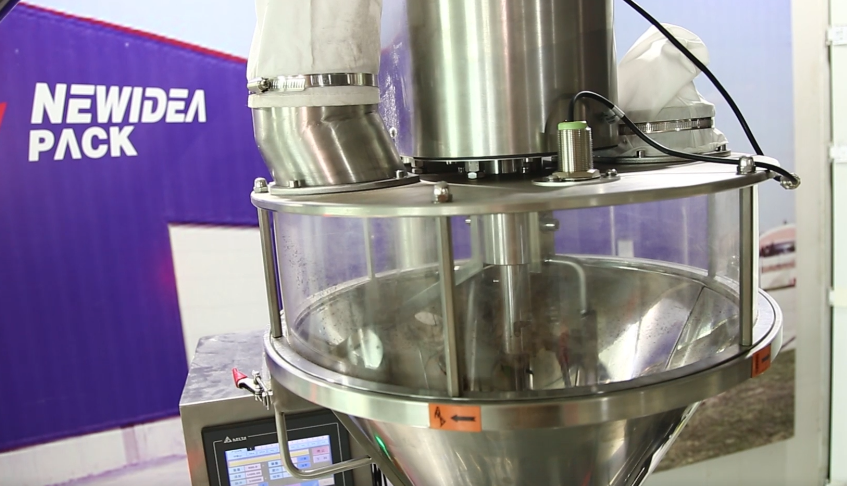
The heart of successful coffee fines management lies in the precision of your dosing system, specifically the auger filler. Unlike volumetric cups, an auger filler uses a precision-machined screw to “meter” the exact volume of coffee required for each drip bag.
Is the screw design important?
The pitch and diameter of the auger screw must match the specific grind size of your coffee to prevent “dribbling.” If the screw is too loose, fines will leak out between cycles; if it is too tight, it will crush the grounds.
A servo motor provides the high-torque control necessary to start and stop the auger screw instantly. This prevents the “tail” of powder that often lingers after a fill, which is a major contributor to seal contamination.
The best part?
Servos offer programmable acceleration for different roasts.
They eliminate the mechanical lag of traditional systems.
Precision control reduces “dust clouds” inside the machine.
Key Takeaway: Investing in a high-quality servo-driven auger filler is the most effective way to stabilize your dosing accuracy.
Component
Benefit
Technology
Auger Screw
Accurate volume
Stainless Steel
Servo Motor
Accurate timing
Digital PLC
Precision dosing is the first line of defense against a messy and unprofitable production floor.
What role does ultrasonic sealing play in coffee fines management?
Ultrasonic sealing is a game-changer for coffee fines management because it “vibrates” through contaminants to create a bond. Unlike traditional heat sealing, which can be blocked by a single layer of dust, ultrasonic waves literally push the fines out of the way. Utilizing efficient VFFS systems with this tech ensures your drip bags are airtight every time.
How does ultrasonic tech work?
Ultrasonic sealing uses high-frequency vibrations to generate localized heat within the non-woven fibers. Because the heat is generated internally, the process becomes much more forgiving of surface dust that might otherwise ruin the seal.
You might be wondering:
Vibrations “shake” dust away from the bond zone.
It produces a cold seal that doesn’t melt the coffee oils.
The seal is narrower, saving you significant material costs.
Is ultrasonic better than heat?
For drip coffee, ultrasonic is superior because it preserves the delicate aroma of the coffee. High heat can singe the fines trapped in the seal, creating a “burnt” smell that ruins the consumer’s first impression.
Ultrasonic sealing reduces energy consumption.
It allows for faster cycle speeds up to 80 bpm.
It provides a visual “waffle” pattern that signifies quality.
Key Takeaway: Ultrasonic sealing ensures a 100% airtight bond even if minor dust particles are present in the sealing area.
Sealing Type
Dust Tolerance
Flavor Impact
Heat Seal
Low
Potential Singeing
Ultrasonic
High
Neutral / Preserved
Switching to ultrasonic technology is the ultimate insurance policy against leakers and flavor contamination.
How do vibration systems enhance coffee fines management?
How To Achieve Accurate Coffee Fines Management In High Speed Packaging
Integrating vibration into your coffee fines management strategy helps “settle” the powder inside the bag before it moves to the sealing station. Without vibration, fine powder tends to stack up high in the narrow drip bag, leaving no room for a clean top seal.
Why use a vibrating hopper?
A vibrating hopper prevents “bridging,” where fine powder forms a solid arch over the discharge hole, stopping the flow entirely. Constant, gentle micro-vibrations keep the powder in a fluid-like state for Newideapack dispensers.
Check this out:
Vibration ensures a consistent bulk density.
It prevents “air pockets” from forming in the feeder.
The flow remains steady regardless of hopper fill levels.
Can bag-tapping settle the fines?
Bag-tapping during the filling process forces the grounds to settle at the bottom of the filter. This creates the necessary “headspace” to ensure the top of the bag is perfectly clear for sealing.
It sounds simple, but:
It compacts the coffee without damaging the grind.
Settling allows for smaller, more compact outer envelopes.
It prevents powder from being pushed up into the seal.
Key Takeaway: Settling the powder through vibration is essential for maintaining the high-speed rhythm of your packaging line.
Vibration Area
Purpose
Outcome
Hopper
Prevent bridging
Steady flow
Bag Bottom
Settle powder
Clean headspace
Controlled vibration turns a chaotic powder into a manageable, compact product ready for high-speed shipping.
Is nitrogen flushing compatible with coffee fines management?
Maintaining low oxygen levels is crucial, and your coffee fines management must not interfere with the nitrogen flushing process. While nitrogen displaces oxygen to keep coffee fresh, the gas flow can inadvertently blow fine powder around if not managed with custom industrial packaging expertise.
Does gas flow disturb fines?
If the nitrogen injection is too localized or high-pressure, it can create a “sandstorm” effect inside the bag. This makes management nearly impossible as the nitrogen scatters the grounds everywhere.
Here is the secret:
Use laminar flow nozzles to reduce turbulence.
Time the “flush” while the bag is mostly closed.
Keep oxygen levels below 1% without moving the powder.
How to balance flow and pressure?
Newideapack systems use a “multi-point” injection strategy that gently bathes the coffee in nitrogen. By spreading the gas flow over a larger area, the pressure remains low enough that even the lightest fines stay in place.
Lower pressure avoids the “puff” of dust.
Longer flush times ensure total oxygen displacement.
Integrated sensors monitor residual oxygen in real-time.
Key Takeaway: Low-pressure nitrogen flushing protects both the freshness of your coffee and the cleanliness of your machine.
Parameter
High Pressure
Low Pressure (Laminar)
Dust Level
High
Minimal
Oxygen
Low
Ultra-Low
Effective nitrogen flushing preserves the “just-roasted” aroma that your high-end customers demand.
Does grind size consistency simplify coffee fines management?
The upstream process of grinding is the biggest variable in your coffee fines management success. If your grinder produces an inconsistent distribution with too many superfines, the packaging machine will struggle regardless of its advanced features.
Are superfines the enemy?
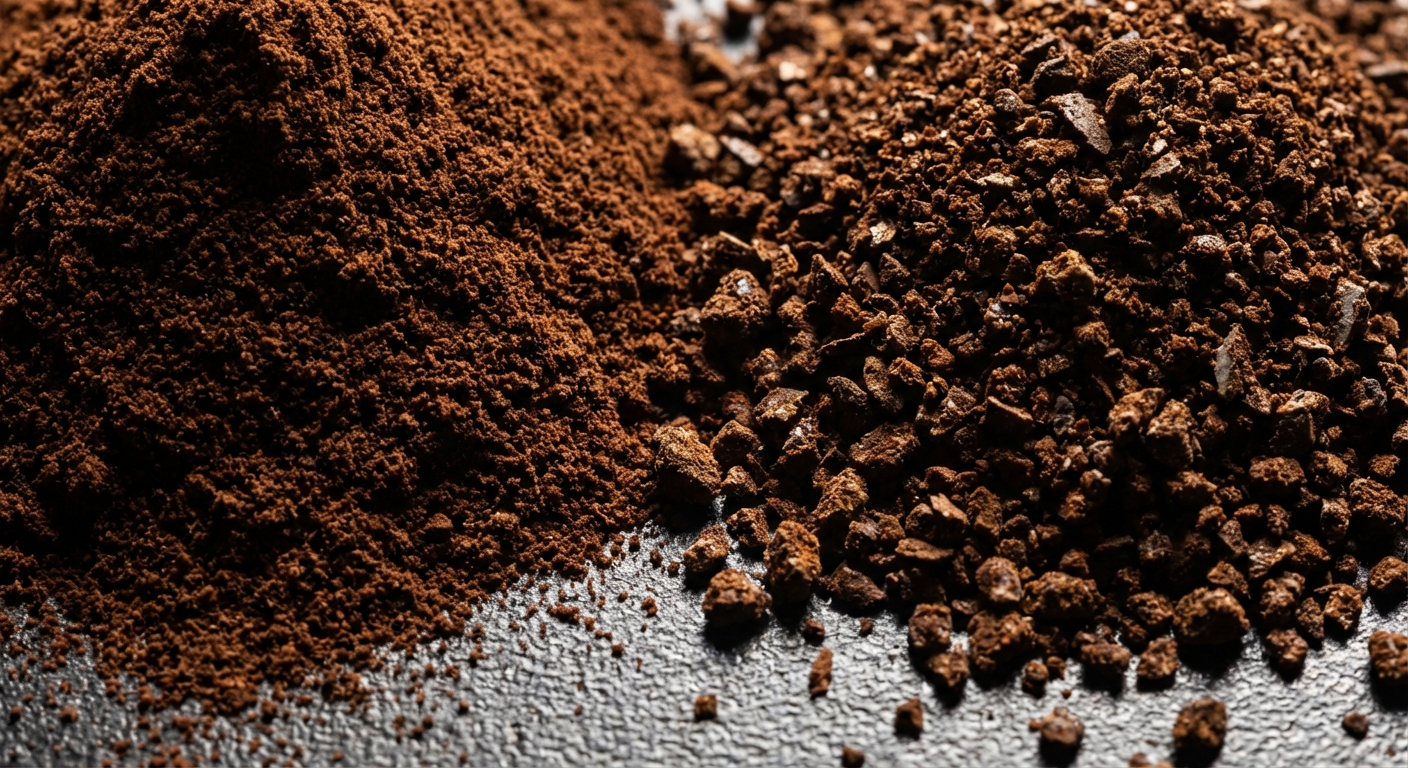
Superfines are particles under 100 microns that behave more like a gas than a solid. These are the particles that float in the air and create the “fog” that obscures your machine’s optical sensors.
Think about it:
Super-fines are highly susceptible to static.
They clog the pores of the drip bag filter.
They are the first to escape through tiny gaps.
Can cold grinding help flowability?
Grinding generates heat, which can release oils that make the coffee “sticky” and prone to clumping. Using a water-cooled grinder keeps the powder dry and free-flowing, which makes the Newideapack packaging process much easier.
Cool grounds flow 20% faster through an auger screw.
Reduced oils mean less buildup on internal parts.
Consistent particle size leads to exact bag weights.
Key Takeaway: Ensuring your grinder is properly maintained and cooled will drastically improve the flowability of your final product.
Particle Type
Behavior
Management Difficulty
Uniform Grounds
Free-flowing
Easy
Super-fines
Dusty/Sticky
High
Starting with high-quality, uniform grounds solves half of your packaging problems before the machine even starts.
How to optimize Newideapack machines for coffee fines management?
Optimizing your Newideapack equipment for coffee fines management involves fine-tuning the mechanical and software settings to match your specific coffee blend. Because every roast has a different oil content and density, our advanced baggers are built with customizable recipe settings.
Should I adjust the suction timing?
The vacuum suction system must be perfectly synchronized with the sealing jaws. If the suction is too early, it pulls out the product; if it is too late, the management fails because the seal is already formed.
Steps to optimize:
Set suction to start 0.1 seconds before jaw contact.
Adjust the vacuum pressure based on grind size.
Clean the suction filters every 4 hours of operation.
Is the film tension relevant?
Proper tension on the non-woven filter material prevents “puckering,” which can trap fines in the folds of the bag. A smooth, flat surface is much easier to keep clean than a wrinkled one during high-speed runs.
Tension rollers should be cleaned of oil buildup.
Use low-friction guides to prevent static buildup.
Automatic edge-tracking ensures the bag stays centered.
Key Takeaway: Utilizing the built-in recipe management system in your Newideapack machine allows for instant optimization across different coffee types.
Setting
Impact
Recommendation
Suction Timing
Seal Purity
Sync with Jaws
Film Tension
Bag Shape
Mid-range (3-5N)
Routine calibration of these settings ensures that your machine grows with your business as you introduce new blends.
Can environmental humidity disrupt coffee fines management?
The air inside your factory plays a massive role in coffee fines management, as humidity levels change how powder behaves. High humidity makes coffee “heavy” and sticky, while low humidity (under 30%) turns it into a static-charged nightmare.
Why does humidity cause clumping?
Coffee is hygroscopic, meaning it absorbs moisture from the air. When the humidity is too high, the fines absorb water and start to clump together, which can clog your Newideapack auger filler and stop production.
Consider these issues:
Moisture increases the friction of the powder.
Clumps can cause the auger motor to trip.
Wet fines are impossible to “vacuum” away from seals.
How to maintain an ideal climate?
Maintaining a consistent humidity level of 45-55% is the “sweet spot” for coffee packaging. This provides enough moisture to dissipate static but not enough to cause clumping.
You can improve this by:
Installing a dehumidifier near the packaging line.
Using sealed hoppers to protect the coffee.
Monitoring the dew point to prevent condensation.
Key Takeaway: Controlling the environment is just as important as controlling the machine when handling sensitive fine powders.
Humidity Level
Effect on Fines
Result
<30% (Dry)
High Static
Dust Clouds
45-55% (Ideal)
Neutral
Perfect Flow
>60% (Damp)
Clumping
Clogged Auger
Climate control is an often-overlooked investment that pays for itself in reduced downtime and fewer rejected bags.
What are the ROI benefits of coffee fines management?
Implementing a professional coffee fines management system isn’t just about cleanliness; it’s a strategic move for your Return on Investment (ROI). By reducing waste and increasing machine uptime, you significantly lower the cost per bag while using efficient VFFS systems.
Does efficiency lead to profit?
Every gram of coffee saved from the vacuum or the floor is profit in your pocket. Over a year of high-speed production, even a 1% reduction in waste can save you thousands of dollars.
Consider these savings:
15% reduction in rejected bags due to seal failure.
10% increase in daily output through reduced cleaning.
Lower labor costs as fewer operators are needed.
Can it improve brand reputation?
A clean, consistent bag that never leaks is the best marketing tool you have. Customers who open a “dusty” outer envelope will perceive your brand as low-quality, even if the coffee itself is excellent.
Professional seals justify a premium price point.
Extended shelf life prevents “off-flavors” from oxygen.
Key Takeaway: Superior powder control directly correlates with higher profit margins and a stronger, more reliable brand image.
Benefit Category
Improvement
ROI Impact
Material Waste
-1.5%
High
Machine Uptime
+20%
Very High
Customer Trust
Intangible
Infinite
Modern powder control is the bridge between a small roasting operation and a global coffee brand.
Conclusion
Solving the “fine powder” problem is the difference between a struggling production line and a high-efficiency packaging powerhouse. By mastering coffee fines management through static elimination, auger precision, and ultrasonic sealing, you protect your product’s freshness and your brand’s reputation. At Newideapack, we don’t just sell machines; we provide the engineering expertise to handle the most challenging powders in the industry. We believe that every roaster deserves a packaging process that is as refined as their coffee.
FAQ
Can I pack fine powder with a standard volumetric cup filler?
No, it is not recommended because volumetric cups lack the precision to handle the “bridging” and density changes of fine powder. An auger filler is much more accurate for this application.
What’s the best way to clean my machine after a “dusty” run?
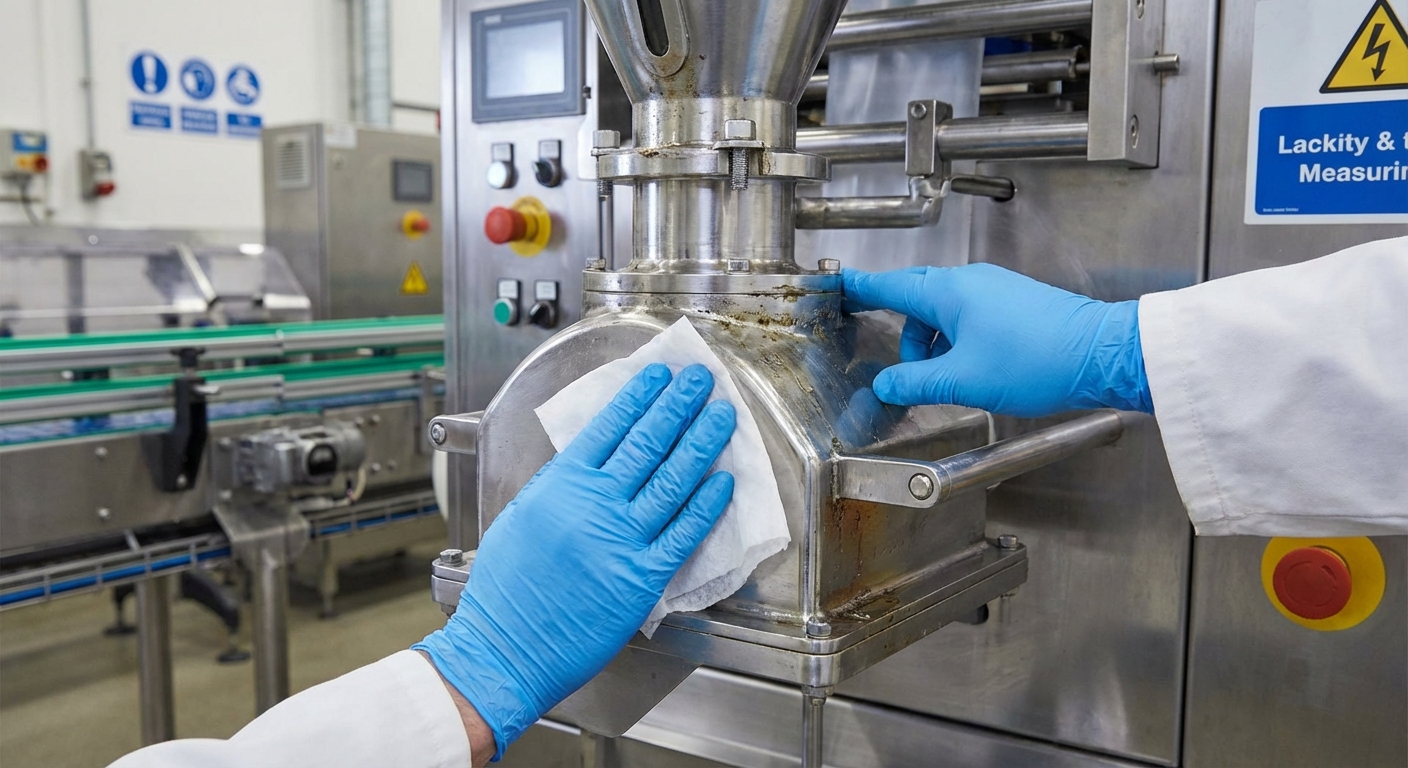
The best way is to use a high-powered industrial vacuum followed by food-grade alcohol wipes on the sealing jaws. Never use pressurized air, as it will just blow the fines deeper into the machine’s bearings.
How do I know if my static levels are too high?
You will know because you’ll see “misting,” where coffee particles float away from the bag or cling to the outside of the machine. If the powder isn’t dropping in a straight vertical line, static is likely the culprit.
Can I use the same auger screw for espresso and drip grinds?
Yes, but you may lose some accuracy. It is much better to have a dedicated screw for each grind size to ensure the flowability and dosing are perfectly optimized.
What is the ideal temperature for coffee packaging?
Ideally, keep your facility between 18°C and 22°C (64°F – 72°F). Keeping the coffee cool prevents the release of oils that make the powder sticky and difficult to manage.
Sales Pitch Component
If you are ready to eliminate dust and maximize your ROI!
Contact us today to find the perfect solution for your facility.