How Much Does a Coffee Packaging Machine Cost? (And How to Save 80% on Labor)
2026年2月12日 by newideapack
Understanding the coffee packaging machine cost is essential for roasteries looking to scale efficiency and save up to 80% on labor. While prices typically range from $15,000 for entry-level units to over $150,000 for fully automated industrial lines, the right investment transforms your production from a manual bottleneck into a high-speed profit center.
If you are currently packing ground coffee by hand, you are likely struggling with inconsistent weights and exhausting labor costs that eat your margins. Scaling your business feels impossible when your team is tethered to manual scales and heat sealers. Every manual error acts as a hidden tax on your growth, ruining batches and causing you to miss out on lucrative wholesale contracts. Finding the right Coffee packaging machine cost is the first step toward reclaiming your time and ensuring professional-grade freshness for every bag.
How Much Does a Ground Coffee Packaging Machine Cost?
The initial Coffee packaging machine cost generally starts at $15,000 for basic models and can exceed $100,000 for advanced systems. You need to consider that price is a direct reflection of engineering precision and output capacity.
Is there a standard price for entry-level machines?
Entry-level machines are perfect for small roasteries looking to move away from hand-filling operations. These units usually handle 10-20 bags per minute with decent accuracy and minimal footprint.
Entry-level rotary pouch machines begin around $45,000.
And the best part? Small-scale automation is more affordable than most business owners realize.
What should you expect for high-speed systems?
High-speed systems are designed for 24/7 operation and massive volume throughput. These machines integrate advanced sensors and faster dosing components to maintain accuracy at scale.
Machine Level
Estimated Price Range
Target Production
Entry-Level
$15,000 – $30,000
< 1,000 bags/day
Mid-Range
$30,000 – $70,000
2,000 – 8,000 bags/day
Industrial
$80,000 – $150,000+
> 10,000 bags/day
Key Takeaway: Budgeting for a machine requires aligning your current daily output with the machine’s rated capacity to avoid over-investing in unused power.
This data shows that your investment scales directly with the volume of coffee you intend to move.
How Does Production Speed Affect Coffee Packaging Machine Cost?
Production speed is a non-negotiable factor that dictates the Coffee packaging machine cost for high-volume producers. As the speed increases, the mechanical components must be significantly more robust to handle the high-frequency movement.
Why do faster machines cost so much more?
Faster machines require high-end servo drives and heat-sealing jaws that can stabilize at high temperatures instantly. The vibration management systems also become more complex to prevent mechanical wear over time.
Consider these requirements:
Dual-lane configurations for doubled output.
Advanced cooling systems for the seals.
Premium electrical components (Siemens or Allen-Bradley).
Want to know the secret? Buying a machine that runs at 80% capacity is better for longevity than running a cheaper machine at 100%.
Can you upgrade speed later?
Most machines have a fixed maximum mechanical speed determined at the factory. While you can optimize settings, you cannot usually double the speed without replacing the entire unit.
Speed (Bags/Min)
Technology Required
Price Multiplier
10 – 25 BPM
Pneumatic
1.0x
30 – 60 BPM
Full Servo
1.8x
70+ BPM
Multi-Lane/Rotary
3.0x+
Key Takeaway: Always buy a machine that can handle your projected growth for the next three years to avoid premature and costly replacement.
Higher speeds demand more expensive, durable materials to handle the constant mechanical stress.
Does Your Choice of Bag Style Impact Coffee Packaging Machine Cost?
Different bag styles require different mechanical forming sets or pouch handling modules, which directly influences the Coffee packaging machine cost. A machine that makes simple pillow bags is significantly cheaper than one designed for flat-bottom gusseted bags.
How does bag complexity drive the price?
Complex bag styles require additional folding mechanisms and specialized sealing bars. Each added fold or seal requires another station on the machine, increasing the manufacturing time.
Common bag style upgrades:
Stand-up pouches (+20% cost).
Quad seal bags (+35% cost).
Flat bottom bags (+40% cost).
Believe it or not, the “look” of your bag is often one of the most expensive decisions you will make.
Is the pre-made pouch machine more expensive?
Pre-made pouch machines, or rotary machines, are generally more expensive than roll-stock VFFS machines. However, they offer a premium finish that many luxury brands require for shelf appeal.
Bag Type
Complexity Level
Impact on Machine Price
Pillow Bag
Low
Base Price
Stand-up Pouch
Medium
+15-20%
Quad Seal Bag
High
+30-40%
Key Takeaway: Standardizing your bag shape can be a quick way to reduce your initial machinery investment if budget is a concern.
Choosing a complex bag style adds mechanical layers to the machine, which naturally increases the manufacturing cost.
Why Is the Level of Automation a Key Coffee Packaging Machine Cost Driver?
The Coffee packaging machine cost is heavily influenced by how many manual steps you want to eliminate from your workflow. Fully automated lines include bag feeding, printing, and palletizing without human intervention.
Is semi-automatic equipment worth the savings?
Semi-automatic equipment requires an operator to place the bag or trigger the fill manually. While the upfront cost is lower, your ongoing labor expenses will remain higher over time.
Consider these points:
Lower initial capital expenditure (CAPEX).
Smaller footprint for cramped roasteries.
Flexible for small-batch seasonal runs.
But wait, there’s more. Labor costs are rising, and a manual operator is often the bottleneck in a growing coffee business.
How does a fully integrated line compare?
A fully integrated line from NewIdeaPack syncs every stage of the process seamlessly. This includes everything from the raw coffee intake to the finished case packing.
Automation Feature
Manual Involvement
Budget Impact
Semi-Auto
High
Low Cost
Automatic VFFS
Low
Moderate Cost
Complete Turnkey Line
Minimal
High Cost
Key Takeaway: Evaluate your long-term labor costs to decide if a higher upfront price for automation will pay for itself.
High-level automation requires sophisticated PLC controls and synchronized motors, which drives the price upward.
How Do Filling Accuracy and Dosing Tech Influence Coffee Packaging Machine Cost?
Filling accuracy directly impacts your long-term Coffee packaging machine cost through product giveaway. Investing in high-precision auger fillers ensures you aren’t literally throwing money away.
Why is an auger filler essential for ground coffee?
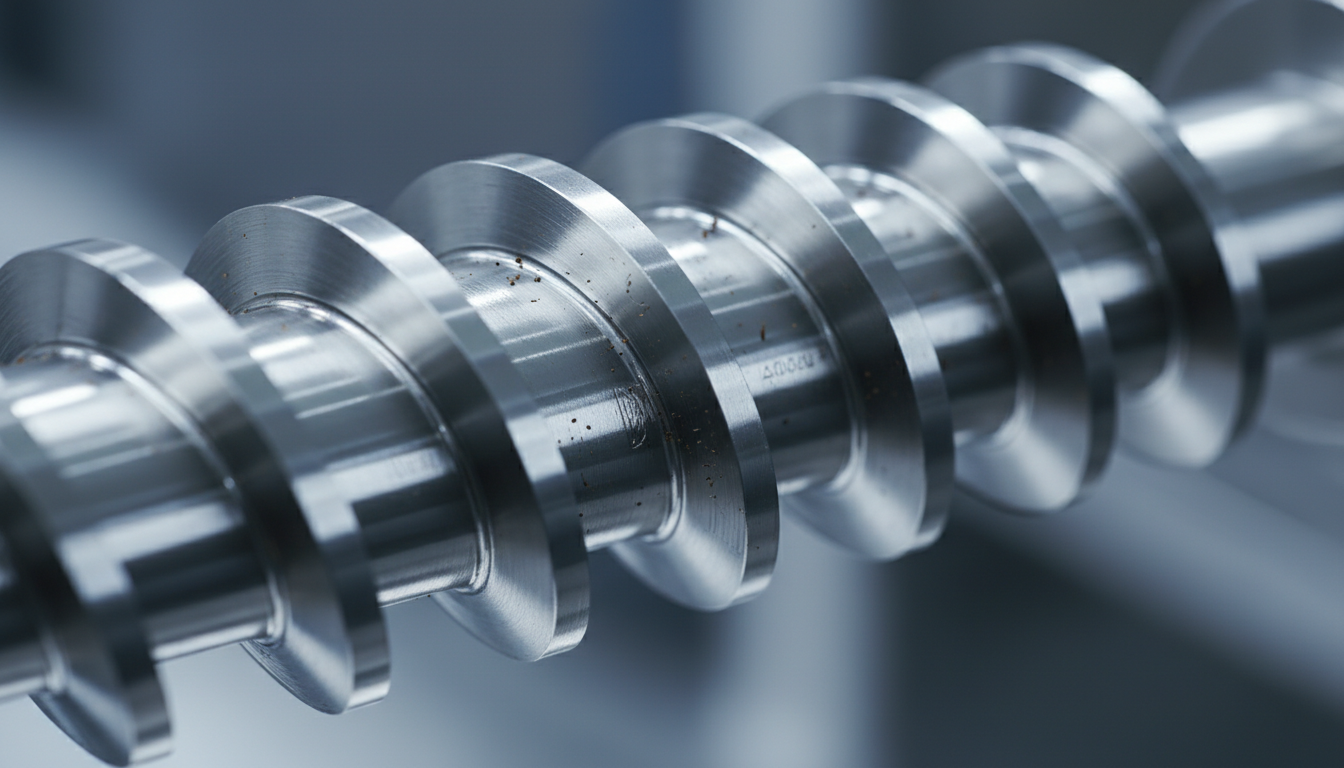
Ground coffee requires an auger filler for precision and to prevent dust from interfering with the bag seals. This specialized hardware is more expensive than standard vibratory feeders used for whole beans.
Here is why:
Auger screws are custom-machined for specific weights.
Servo motors provide the high torque needed for dense grounds.
Dust extraction ports are necessary for clean operation.
It gets better. High-quality auger fillers virtually eliminate product giveaway, saving you money every single day.
What technology ensures the highest accuracy?
Servo-driven augers are the gold standard because they provide exact rotation counts for every dose. These systems are more expensive than clutch-brake systems but offer far superior consistency.
Dosing Tech
Typical Accuracy
Long-Term Cost
Volumetric
+/- 2-3%
High (Waste)
Servo Auger
+/- 0.5%
Low (Savings)
Weigh Filler
+/- 1.0%
Moderate
Key Takeaway: Prioritize dosing accuracy over bells and whistles; it is the single biggest factor in your daily profitability.
The precision of the motor and the quality of the screw are the biggest factors in the dosing unit’s price.
What Impact Does Packaging Material Have on Coffee Packaging Machine Cost?
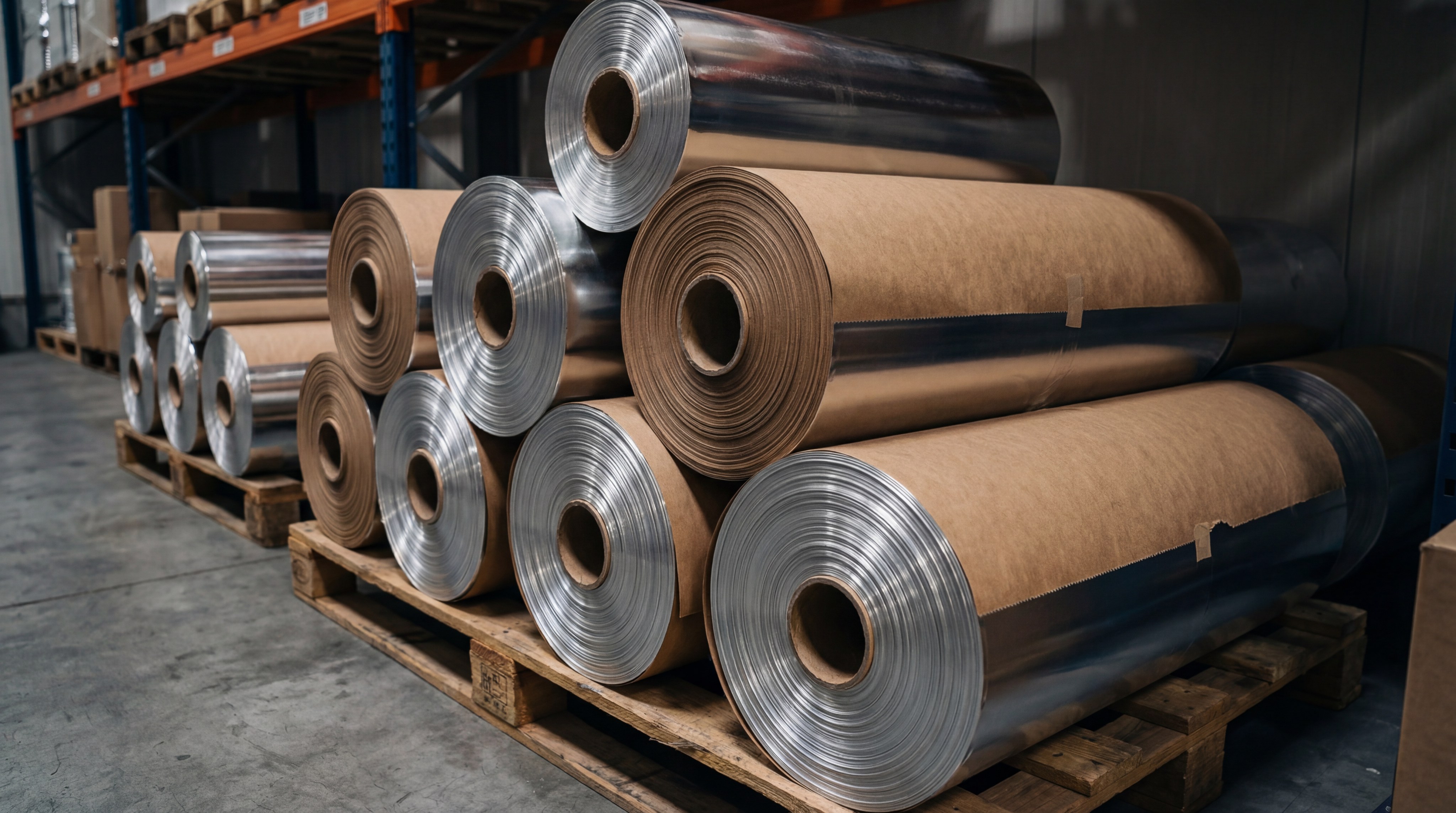
The type of film you use affects the Coffee packaging machine cost because different materials require specific sealing technologies. Specialized films like heavy-duty laminates or eco-friendly papers need precise temperature control.
Do sustainable materials require special machines?
Sustainable films often have a narrower sealing window, requiring the machine to have high-precision PID temperature controllers. These sensors and heaters add to the overall component cost.
Check this out:
Compostable films need lower heat.
Recyclable plastics may require ultrasonic sealing.
Thicker foils need higher pressure jaws.
Believe it or not, choosing the wrong machine for your film can result in thousands of dollars in wasted material.
Why is the degas valve applicator an extra cost?
Freshly ground coffee releases CO2, making a one-way degas valve essential for bag stability. The module that applies these valves is a significant add-on to the machine’s base price.
Material Feature
Requirement
Estimated Add-on Cost
Degas Valve
Valve Applicator
$3,500 – $6,000
Zipper/Reseal
Zipper Module
$4,000 – $7,500
Paper Film
Specialized Jaws
$1,500 – $3,000
Key Takeaway: Finalize your bag material and features early to get an accurate machinery quote that won’t change later.
Integrating these “convenience features” into the machine adds mechanical complexity and assembly time.
What Are the Hidden Maintenance Factors in Coffee Packaging Machine Cost?
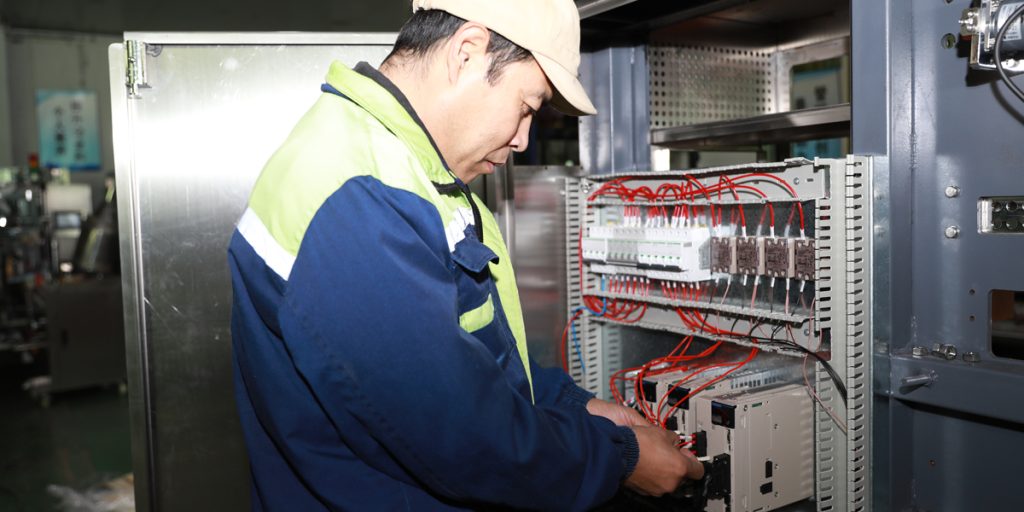
Maintenance engineer decoding PLC errors on an industrial control panel
Your total Coffee packaging machine cost isn’t just the purchase price; it includes the parts and labor required to keep it running. Budgeting for wear-and-tear items prevents expensive emergency downtime during peak production.
Which parts need the most frequent replacement?
Heating elements, cutting blades, and suction cups are consumable parts that wear out over months of operation. High-quality machines use standard parts that are easy to source.
Common wear items:
Teflon tape for sealing jaws.
Thermocouples for heat sensing.
Vacuum generator filters.
The reality is… downtime is significantly more expensive than the price of a spare parts kit.
How does technical support factor in?
Some low-cost manufacturers offer no after-sales support, leaving you stranded if a sensor fails. NewIdeaPack includes technical guidance and training to ensure your team can handle basic repairs.
Expense Category
Frequency
Annual Estimate
Consumables
Monthly
$500 – $1,200
Major Service
Yearly
$1,000 – $3,000
Software Updates
Occasional
$0 – $500
Key Takeaway: Always purchase a “start-up” spare parts kit with your machine to minimize downtime during the first year.
Maintenance is a predictable expense that should be built into your cost-per-bag calculations from day one.
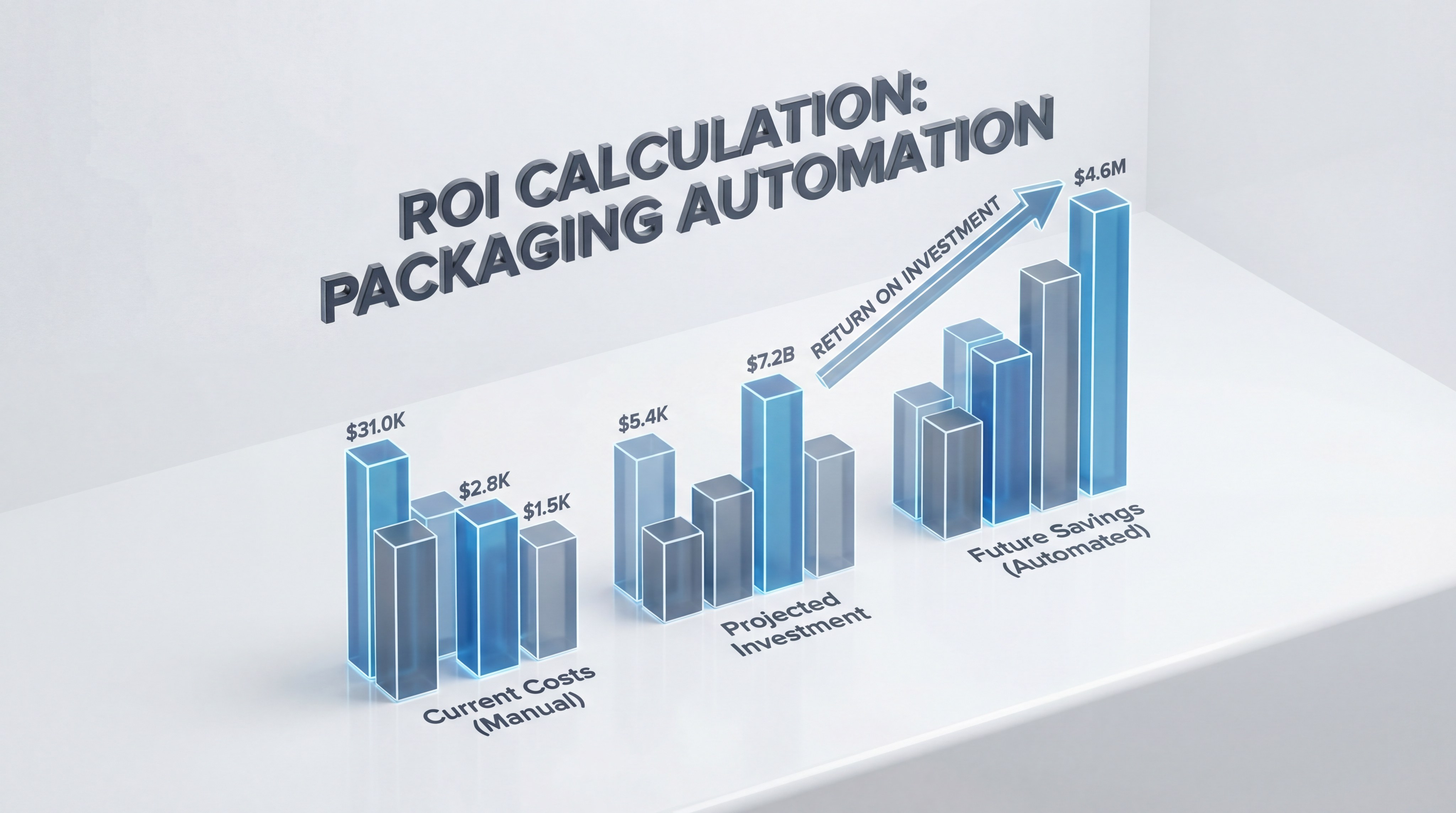
How Do You Calculate the ROI Against the Initial Coffee Packaging Machine Cost?
To justify the Coffee packaging machine cost, you must calculate how quickly the labor savings and waste reduction will cover the investment. Most coffee roasters see a full return on automated packaging solutions within 12 to 18 months.
What is the simplest way to track ROI?
Compare your current manual packing cost per bag against the projected cost with a machine, including electricity and maintenance.
Key metrics to track:
Labor hours saved per week.
Percentage reduction in product giveaway.
Increase in total weekly output.
Let’s face it. If your machine saves you two full-time salaries, the equipment pays for itself faster than almost any other asset.
Does machine lifespan affect the calculation?
A cheap machine might have a lower price but a lifespan of only 3 years, whereas a premium machine can run for 10+ years. The “Cost per Year” is a much more important metric than the “Price Today.”
Metric
Manual Packing
Machine Packing
Bags per Hour
120
1,800+
Cost per Bag
$0.45
$0.08
Waste %
3-5%
< 1%
Key Takeaway: Focus on the “Payback Period” rather than the sticker price to make a logical business decision.
Automation transforms your packing department from a cost center into a major competitive advantage.
Does Technical Support Change the Total Coffee Packaging Machine Cost?
Technical support and installation are often included in the premium Coffee packaging machine cost. While some vendors charge extra for these services, they are essential for getting your production line running correctly from day one.
Why is professional installation worth the price?
If a machine is set up incorrectly, it will produce inconsistent seals and inaccurate weights, leading to material waste. Professional technicians ensure that every sensor and motor is calibrated to your specific coffee grounds.
What we offer:
Customized testing with your specific coffee grounds.
Lifetime technical video support.
On-site training for your operators.
You might be wondering… is it worth the extra $2,000? Usually, the uptime gained pays for it within the first week.
Can remote support save you money?
NewIdeaPack uses advanced PLC modules that allow for remote diagnostics. This reduces the need for expensive on-site technician visits, lowering your long-term ownership costs.
Support Level
Response Time
Value Impact
Basic (Email)
48 Hours
Low
Standard (Video)
4 Hours
High
Premium (On-site)
24 Hours
Critical
Key Takeaway: A consultation with our team can often identify ways to save money while still achieving your production goals.
Working with an expert manufacturer ensures your investment is protected by real-world engineering experience.
Why Does Engineering Quality Justify a Higher Coffee Packaging Machine Cost?
The Coffee packaging machine cost at NewIdeaPack is designed to be transparent, offering high-end engineering without the “big brand” markup. We focus on durability and ease of use for growing coffee brands that need reliable ground coffee packaging equipment.
Why choose NewIdeaPack over cheap alternatives?
We use high-grade stainless steel and reputable international components to ensure your machine doesn’t become a “paperweight” after six months. Our focus is on long-term partnership, not just a one-time transaction.
Look at these advantages:
Heavy-duty frames to reduce vibration.
Intuitive touchscreen interfaces.
Easy-clean designs for food safety.
The truth is, a cheaper machine often costs more in the long run through frequent breakdowns.
How do we help you stay within budget?
We provide a tiered range of options, allowing you to start with essential automation and add features like degas valve applicators or zip-lock modules later as your revenue grows.
NewIdeaPack Advantage
Benefit to You
Value Impact
Factory Direct
No Middleman Fees
Save 20-30%
Custom Testing
Guaranteed Accuracy
Lower Waste
Support Access
Fast Troubleshooting
High Uptime
Key Takeaway: Prioritizing build quality over the lowest price ensures your production line remains a profit center rather than a liability.
Investing in a well-built machine protects your brand’s reputation for freshness and quality consistency.
Conclusion
Finding the right balance for your coffee packaging machine cost is about more than just finding the lowest price; it is about securing the future of your roastery. By understanding the trade-offs between speed, accuracy, and bag complexity, you can make a decision that fuels your growth rather than draining your bank account.
FAQ
Can I use the same machine for whole bean and ground coffee? Yes, but you will typically need two different dosing systems, such as an auger filler for grounds and a linear weigher for beans. Using a single machine is possible if it is designed for interchangeable filler heads, though this increases the daily setup time.
How do I know if I should choose a VFFS or a Rotary machine? Base your decision on your bag style; VFFS is best for bags made from film rolls (cheaper per bag), while Rotary machines are required for pre-made pouches. If you want the “premium” stand-up pouch look with a zipper, a Rotary machine is usually the better investment.
Can I start with a semi-automatic machine and upgrade later? Absolutely, many of our clients start with semi-auto auger fillers to master their dosing accuracy before moving to a fully integrated VFFS line. This allows you to scale your capital investment alongside your actual revenue growth.
What is the best way to avoid the “low-price trap”? Always check the total weight of the machine and the brand of the electrical components before buying. A very cheap machine often uses thin frames and generic PLCs that are difficult to repair and prone to vibration issues.
How do I know if my coffee needs a degas valve? Yes, freshly roasted ground coffee releases CO2; if you don’t use a valve, the bag will puff up and potentially burst on the shelf. Adding a valve applicator to your machine is a standard requirement for maintaining long-term shelf life.
Sales Pitch Component
Are you ready to stop losing money on manual packing and start scaling your production with precision?
We invite you to contact us today for a personalized quote and a custom analysis of your packaging needs. Let’s build your brand together with technology that never lets you down.