7 Incredible Reasons Your Whole Beans Need a One-Way Degassing Valve Right Now
2025年7月18日 by newideapack
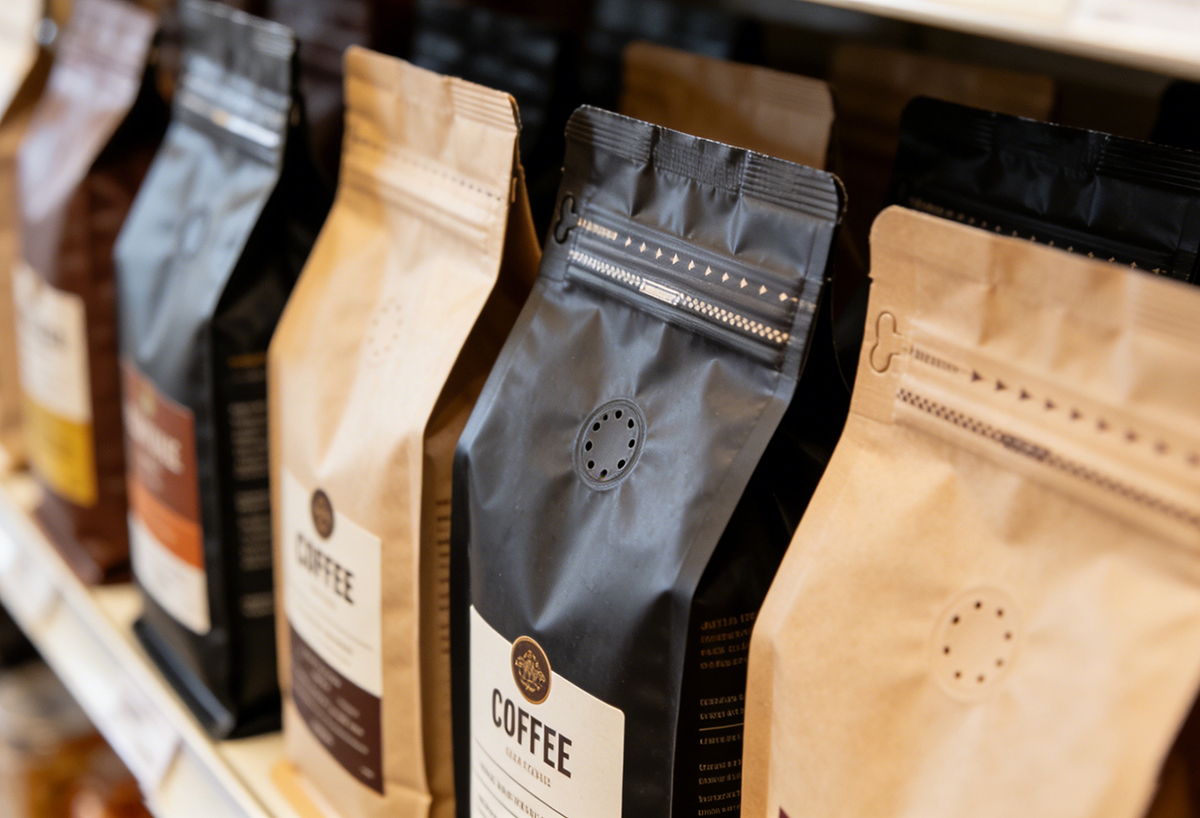
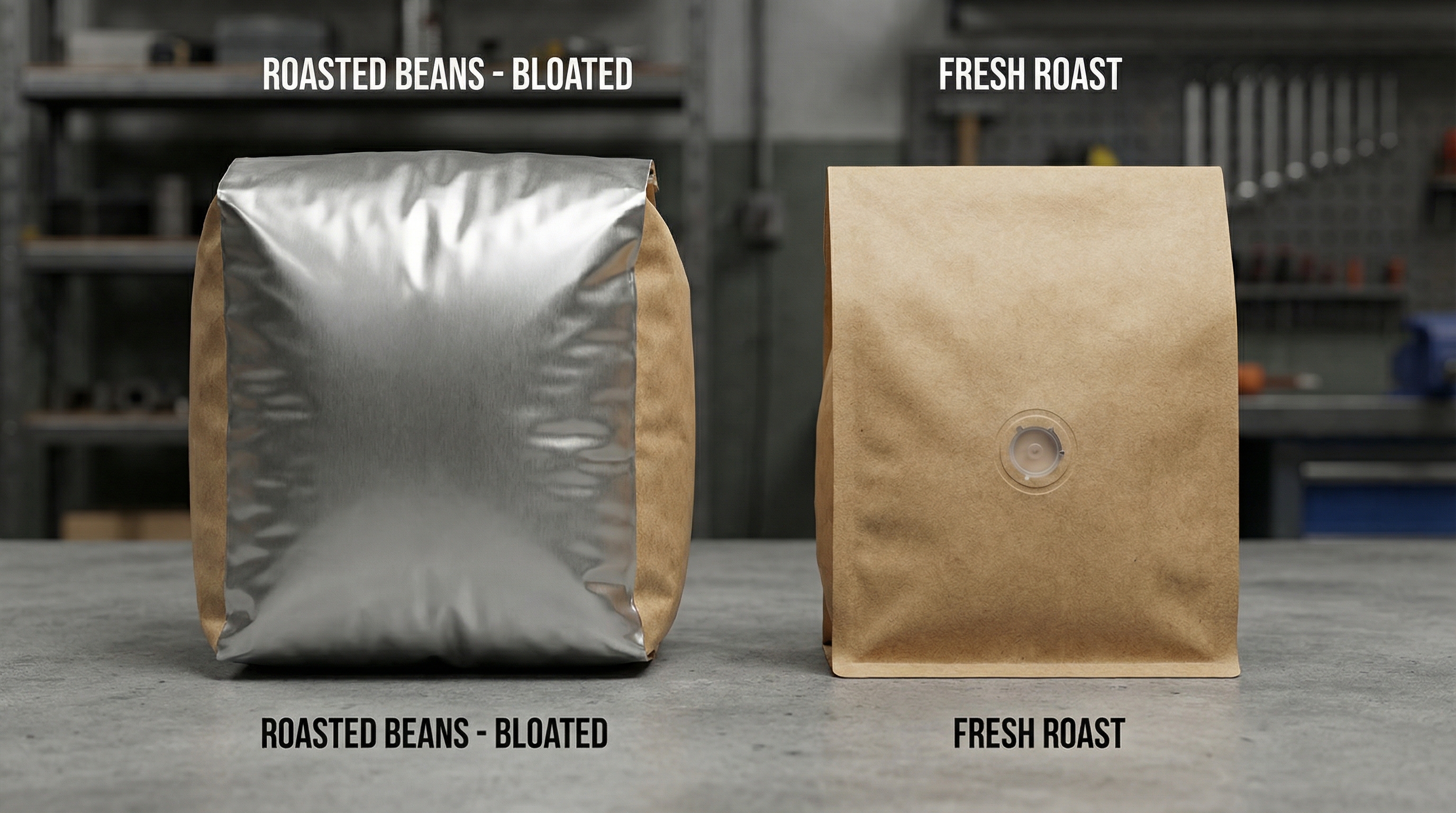
Your whole beans need a one-way degassing valve because freshly roasted coffee releases carbon dioxide that can bloat or burst bags while letting harmful oxygen in. You have just roasted the perfect batch of specialty coffee, but within hours, the bags are swelling like balloons. If you seal them tight, they explode; if you leave them open, the delicate oils oxidize and turn rancid. It is a nightmare for any roaster to see premium beans lose their vibrant flavor profile or, worse, have a customer receive a ruptured package. This inconsistency ruins your brand reputation and leads to massive product waste in an increasingly competitive market. The most effective way to solve this is by integrating a high-quality one-way degassing valve into your packaging process. At newideapack, we combine these essential components with smart manufacturing and AI in packaging to ensure every bag stays fresh from the roastery to the cup.
Why is a one-way degassing valve essential for coffee freshness?
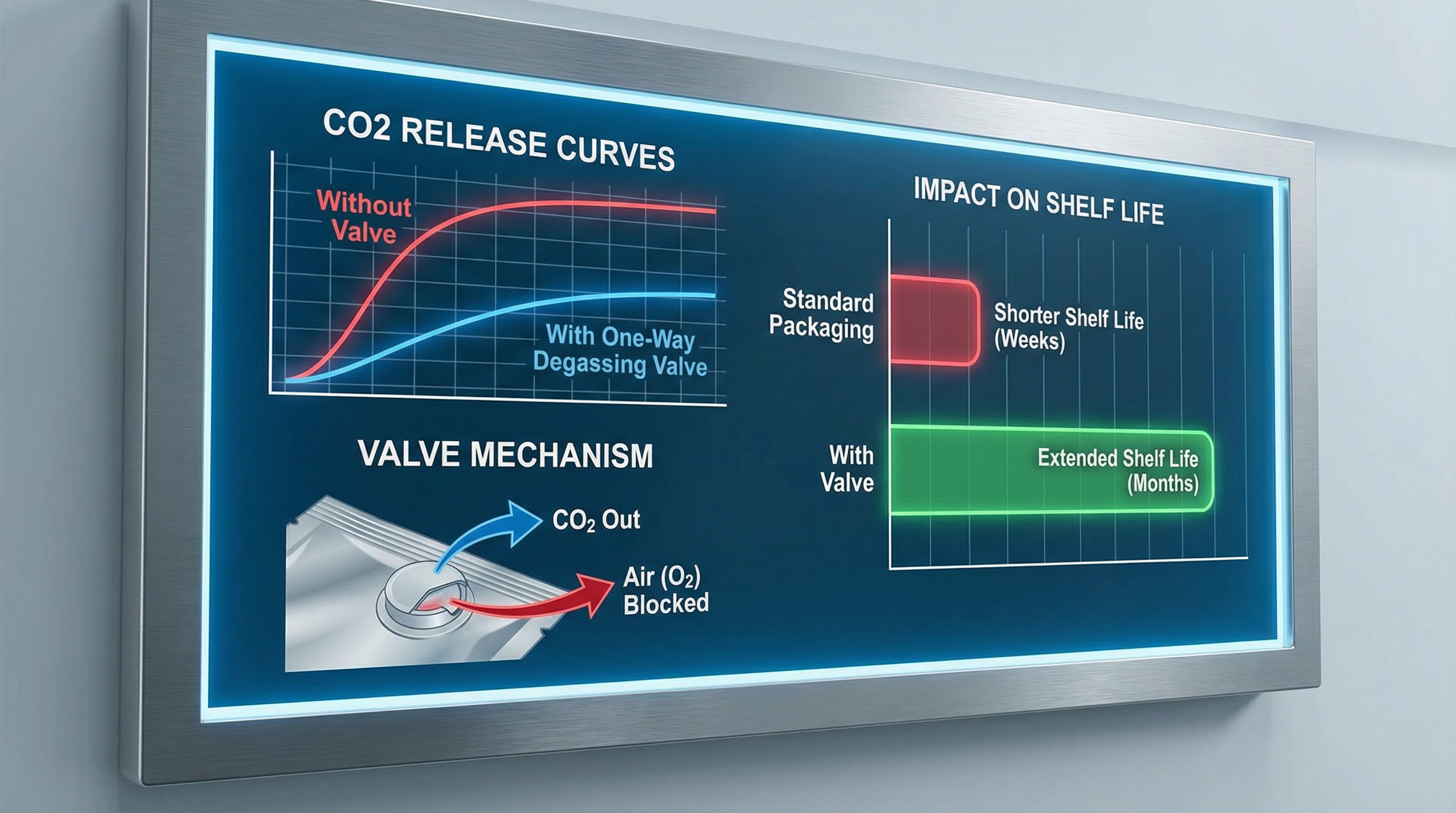
A one-way degassing valve is essential because it regulates the internal atmosphere by allowing CO2 to exit without letting oxygen enter. Freshly roasted coffee beans act like a living organism, emitting carbon dioxide for days after they leave the roaster. Without this specialized venting, the gas remains trapped, creating a high-pressure environment that accelerates staling. newideapack integrates these valves to ensure your product maintains its roaster-fresh quality during transit.
What happens to flavor without a valve?
If you don’t allow CO2 to escape, the gas can actually impart a metallic or sour taste to the beans. Furthermore, oxygen is the primary enemy of coffee oils, leading to rapid rancidness.
Trapped CO2 creates a pressurized environment that can “crush” delicate volatile aromas.
Oxygen entry leads to the oxidation of essential oils.
Volatile compounds responsible for floral and fruity notes dissipate quickly.
But wait, there’s more.
Freshness isn’t just about the beans; it’s about the chemistry inside the bag. Using a high-quality valve ensures that the chemical balance remains stable for weeks.
Feature
Without Valve
With Valve
CO2 Management
Trapped gas causes bag bloat
Continuous venting
Oxygen Protection
High risk of entry
One-way barrier
Aroma Preservation
Poor
Excellent
The presence of a valve directly correlates to the preservation of the bean’s original sensory profile.
Key Takeaway: A one-way degassing valve is the only way to balance internal pressure while maintaining an oxygen-free environment.
How does a one-way degassing valve prevent bags from bursting?
The valve acts as a mechanical pressure relief system that vents excess gas before the structural integrity of the bag is compromised. A one-way degassing valve is designed to open at a specific internal pressure threshold, usually between 2 to 8 millibars. Once the gas is released and the pressure drops, the valve snaps shut to reseal the package. This cycle prevents the “balloon effect” that often leads to seam failure or explosive ruptures during shipping.
Why do airtight seals fail under pressure?
Most coffee packaging films are designed for barrier protection, not for holding high-pressure gas. When the internal pressure exceeds the tensile strength of the heat seal, the bag will inevitably fail.
Seam stress increases exponentially as the bag bloats.
Palletized bags are prone to popping under the weight of other boxes.
Temperature changes during shipping can cause gas to expand further.
It gets worse.
A single burst bag in a shipping container can contaminate an entire shipment with coffee grounds. This leads to costly returns and dissatisfied retail partners.
Pressure Level
Bag Condition
Risk Level
< 2 mbar
Flat and stable
Low
5 – 10 mbar
Bloated/Distorted
Medium
> 15 mbar
Seal Failure
High
Managing internal pressure is vital for maintaining the physical presentation of your product on retail shelves.
Key Takeaway: Utilizing a valve ensures your packaging remains structurally sound and professional throughout the supply chain.
Can a one-way degassing valve preserve delicate whole bean aromas?
Yes, a one-way degassing valve is highly effective at preserving aromas by keeping oxygen levels inside the bag below 1%. Oxygen is the primary catalyst for the degradation of the complex aromatics that make specialty coffee unique. By maintaining a CO2-rich environment inside the bag, the valve creates a natural preservative effect. This ensures that when your customer opens the bag, they are greeted by a powerful and fresh olfactory experience.
Is oxidation the main enemy of aroma?
Oxidation breaks down the lipid content in beans, turning sweet aromas into flat, “cardboard” scents. The valve prevents this by acting as a strict gatekeeper against the outside atmosphere.
Volatile aromatic compounds stay trapped within the bean structure.
The lack of oxygen prevents the fats from turning rancid.
The CO2 cushion acts as a protective blanket for the beans.
Here is the kicker.
The aroma you smell through the valve is only a tiny fraction of what is preserved inside. The valve is designed to be highly selective in what it lets out.
Aroma Component
Exposed to Oxygen
Protected by Valve
Fruity Esters
Disappear in days
Last for months
Roasted Notes
Become “smoky/ashy”
Stay clean and crisp
Floral Accents
Highly unstable
Well-preserved
Aromas are the soul of your coffee; protecting them is a non-negotiable part of quality control.
Key Takeaway: Preventing oxidation via a one-way barrier is the only way to lock in the “roastery smell” for the end consumer.
How does AI optimize one-way degassing valve placement?
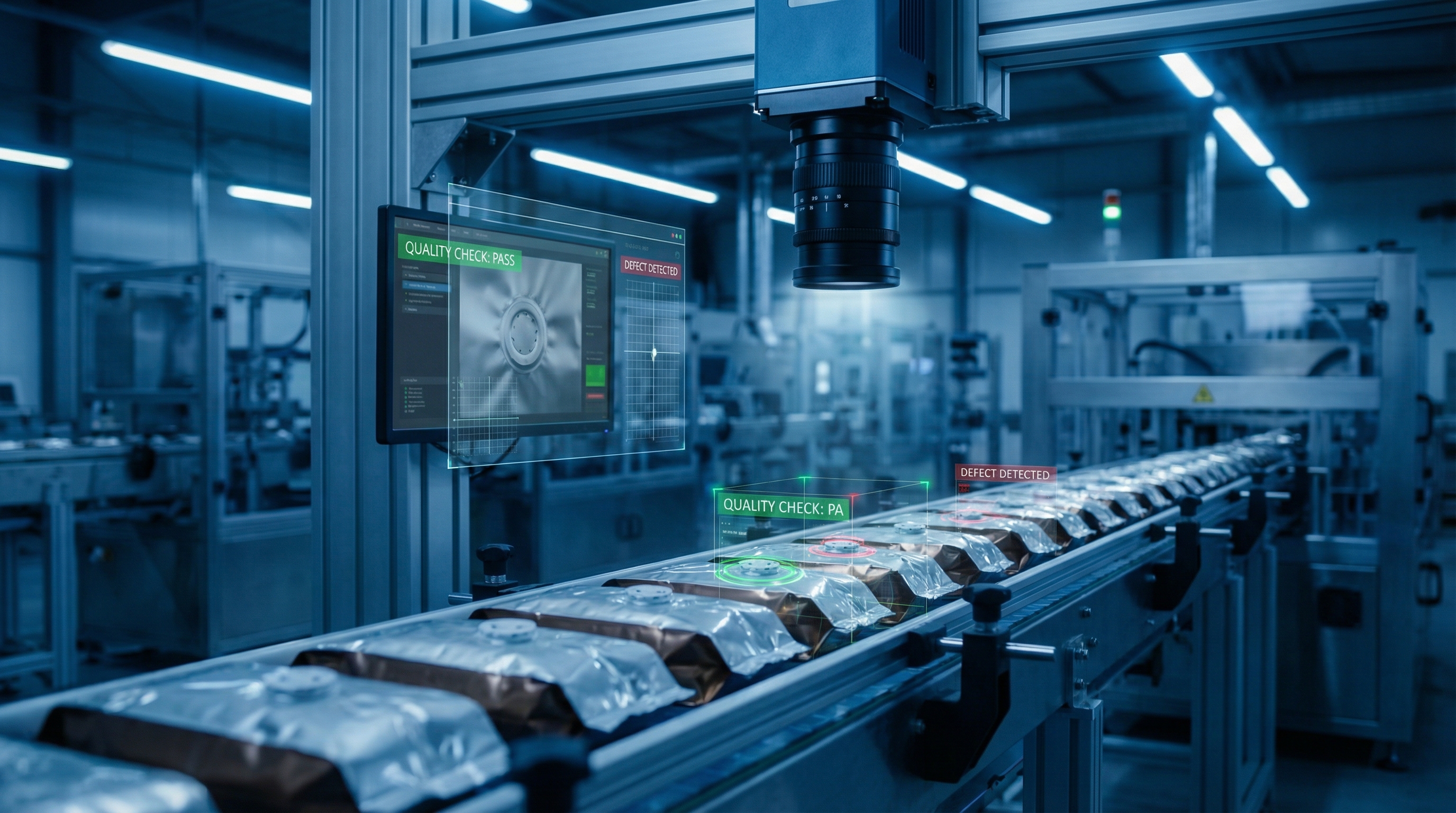
AI vision systems ensure that every one-way degassing valve is perfectly centered and hermetically sealed during high-speed production. Using AI in packaging, modern machines can detect microscopic misalignments that would lead to a slow leak or a faulty vent. These systems analyze thousands of frames per second to verify the heat-seal integrity around the valve flange. newideapack leverages this technology to eliminate the human error associated with manual inspection.
Can AI reduce human error in valve application?
Human inspectors cannot possibly monitor every single bag on a line moving at 60 bags per minute. AI never gets tired and can identify defects that are invisible to the naked eye.
Automated rejection systems remove faulty bags without stopping the line.
Deep learning algorithms improve detection accuracy over time.
Real-time alerts notify operators of heat-sealing temperature fluctuations.
Think about it.
Consistency is the hallmark of a premium brand, and AI provides the data to prove your quality standards.
Inspection Type
Human Capability
AI Capability
Speed
10-20 bags/min
100+ bags/min
Accuracy
~95%
>99.9%
Data Logging
None
Full digital audit trail
AI-driven inspection transforms quality control from a reactive process into a predictive manufacturing advantage.
Key Takeaway: Implementing AI-driven vision systems guarantees that every valve functions exactly as intended, protecting your ROI.
Does a one-way degassing valve work with all materials?
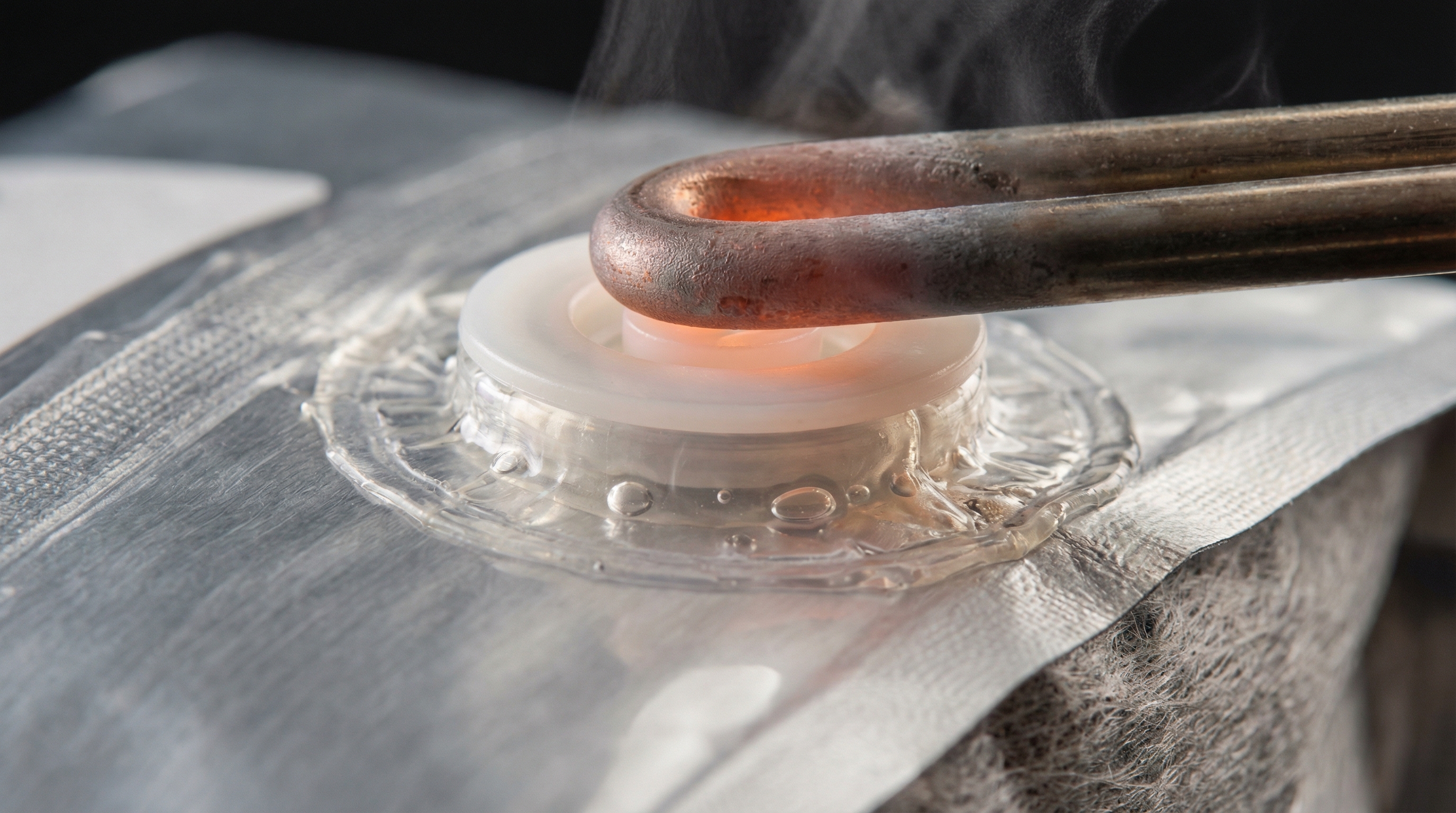
Most modern one-way degassing valve designs are compatible with a wide range of materials, including PE, PET, and aluminum foil. The key to compatibility lies in the ultrasonic or thermal welding process used to bond the valve to the film. Manufacturers have developed specific valve resins that can bond seamlessly with kraft paper laminates and even new bio-plastic films. At newideapack, we test valve adhesion on various substrates to ensure a permanent, leak-proof bond.
What about compostable packaging?
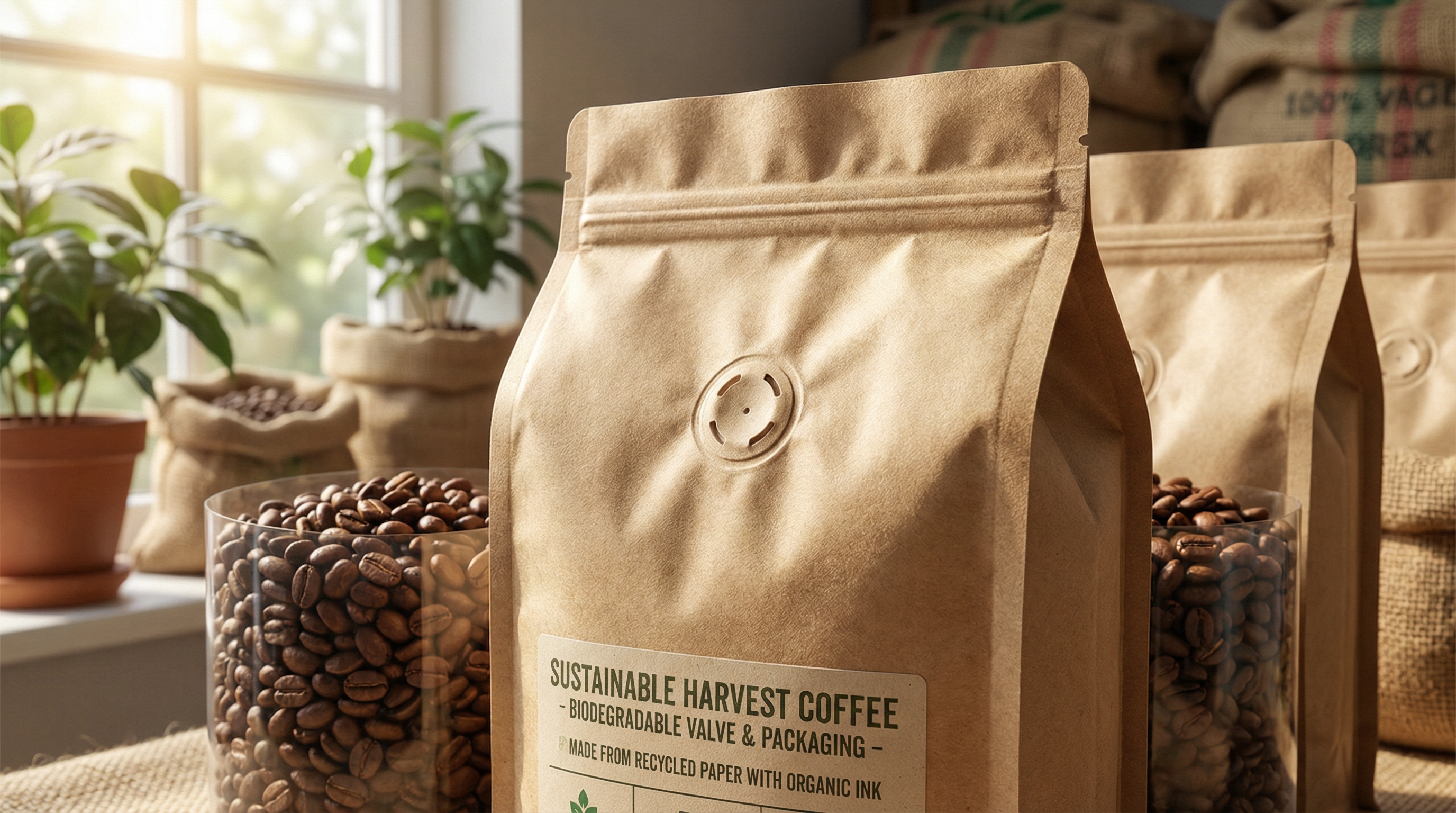
The industry is moving toward sustainability, and compostable valves are now a reality for eco-conscious roasters. These valves are made from plant-based polymers that break down alongside the bag material.
Bio-valves maintain the same pressure-release standards as plastic versions.
They require specific sealing temperatures to prevent damaging the film.
Laminated kraft paper provides a premium look with high-tech functionality.
You might be wondering…
“Will an eco-friendly valve be as durable as a standard one?” The answer is a resounding yes, provided the application machinery is calibrated correctly.
Material Type
Adhesion Method
Valve Type
Foil Laminate
Thermal Heat Seal
Standard PE Valve
Kraft Paper
Lamination-specific
Filter-backed Valve
Compostable Film
Ultrasonic Weld
Bio-polymer Valve
Versatility in material support allows roasters to pivot their branding without sacrificing bean freshness or safety.
Key Takeaway: Modern valve technology allows you to use virtually any packaging material while maintaining professional-grade degassing.
How does IoT track one-way degassing valve performance?
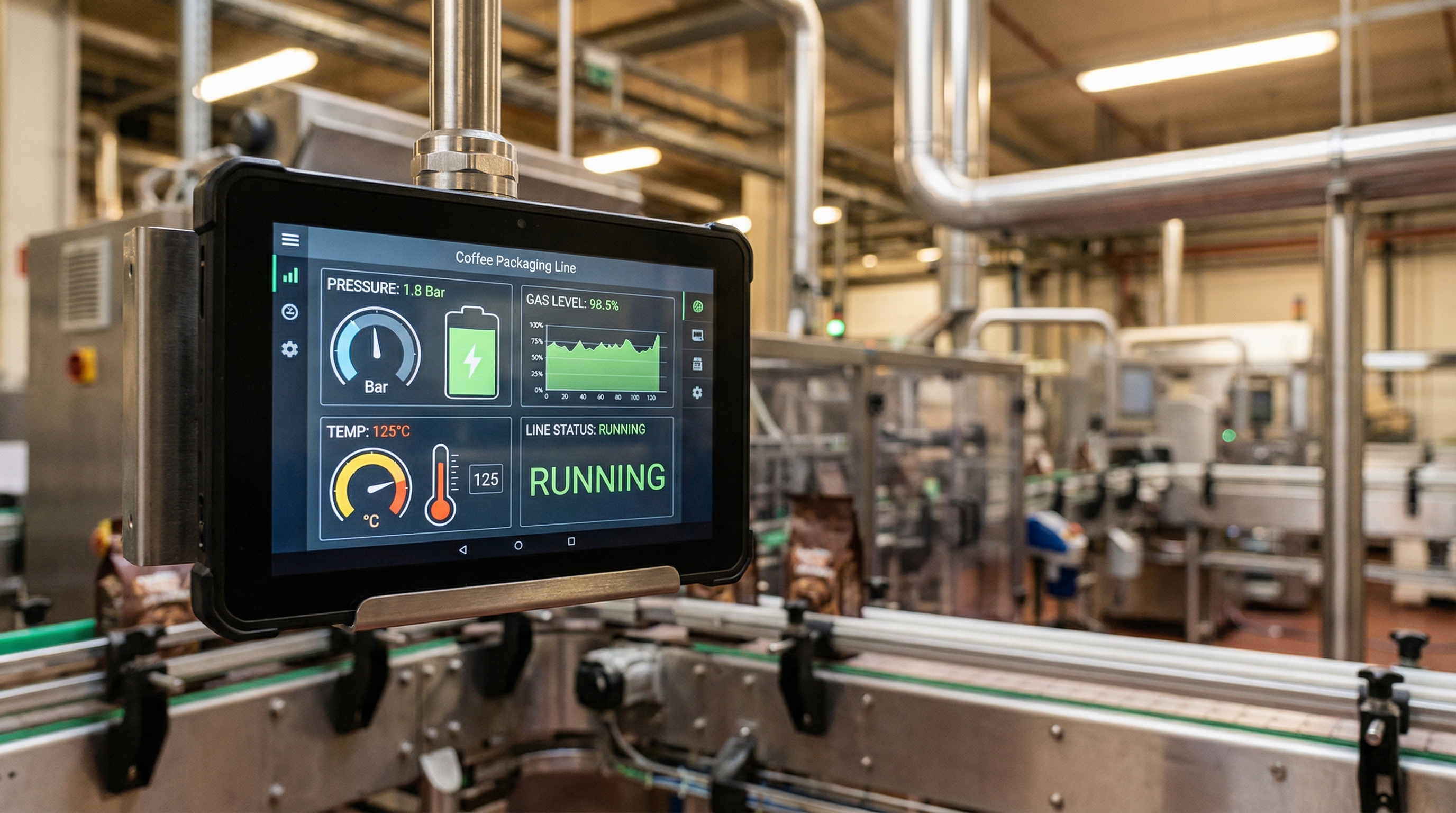
IoT sensors monitor the pressure and seal integrity across the entire production line to ensure every one-way degassing valve is working. By integrating IoT monitoring into the packaging line, you can collect real-time data on how many valves are successfully applied and if any batch shows signs of failure. These sensors connect to a centralized dashboard, allowing managers to oversee the roastery’s output from anywhere in the world. This connectivity is a cornerstone of the smart manufacturing approach favored by top-tier coffee producers.
Is remote oversight possible for small roasters?
IoT technology has become affordable enough that even boutique roasters can monitor their packaging precision via a smartphone app. This prevents entire batches from being ruined by a single machine glitch.
Instant notifications for pressure deviations during the sealing process.
Cloud-based storage for quality compliance and regulatory audits.
Predictive maintenance alerts for the valve applicator head.
Believe it or not.
Data-driven packaging reduces waste by identifying a problem before it becomes a catastrophe on the warehouse floor.
IoT Metric
Importance
Actionable Insight
Seal Pressure
Critical
Prevent air leaks
Application Speed
High
Optimize throughput
Error Rate
Medium
Schedule maintenance
Connecting your packaging line to the cloud provides a level of transparency that was impossible just a decade ago.
Key Takeaway: IoT monitoring gives you the peace of mind that your equipment is performing at peak efficiency 24/7.
Is a one-way degassing valve necessary for dark roast beans?
Dark roast beans require a one-way degassing valve more urgently than light roasts because the longer roasting process breaks down the bean’s cellular structure, releasing CO2 much faster. In a dark roast, the porous nature of the bean allows for an aggressive outgassing phase immediately after cooling. Without a valve, a bag of dark roast can reach critical pressure in just a few hours. newideapack machines are specifically designed to handle the high-volume gas release of dark, oily beans.
Do light roasts need valves too?
While light roasts degas more slowly, they still emit enough carbon dioxide to distort a bag over several days. The risk of oxidation is also higher for light roasts because their delicate acidity is easily destroyed by oxygen.
Light roasts benefit from the CO2 “blanket” provided by the valve.
They have a longer degassing tail, requiring the valve for several weeks.
The valve prevents the “bag-tight” look that can crush fragile beans.
The bottom line is this.
Regardless of the roast profile, any whole bean coffee packaged within 24 hours of roasting requires an active venting solution.
Roast Level
Gas Volume
Release Speed
Light Roast
Moderate
Slow/Steady
Medium Roast
High
Moderate
Dark Roast
Very High
Rapid
Tailoring your valve selection to your roast profile is an advanced step toward total quality management.
Key Takeaway: If you roast dark, a valve is a mandatory safety feature to prevent immediate packaging failure.
How does smart manufacturing reduce degassing valve waste?
High-precision application heads in smart manufacturing systems prevent one-way degassing valve misalignment and costly film waste. These systems use servo-driven motors to position the valve within a fraction of a millimeter of its target. By synchronizing the valve applicator with the bag-forming process, the machine ensures that no valves are wasted on improperly formed bags. This level of synchronization is essential for maintaining high margins in the specialty coffee industry.
Can efficiency boost your bottom line?
Every wasted valve and every ruined foot of film represents lost profit. Smart machines pay for themselves by minimizing these “invisible” costs over time.
Servo-control allows for faster production without losing precision.
Modular designs allow for quick changeovers between different valve types.
Reduced scrap rates lead to more sustainable and profitable operations.
Wait, there’s a catch.
Old-fashioned mechanical applicators are prone to slipping, which is why upgrading to a smart system is a strategic necessity.
System Type
Waste Percentage
Production Speed
Mechanical
3 – 5%
30 bags/min
Smart/Servo
< 0.5%
60+ bags/min
Manual
> 10%
Very Slow
Efficiency in the packaging room directly translates to competitiveness in the global coffee marketplace.
Key Takeaway: Smart manufacturing eliminates the variability that leads to material waste, directly increasing your roastery’s profitability.
Can a one-way degassing valve improve specialty shelf life?
A one-way degassing valve can extend the peak freshness of whole bean coffee from a few weeks to over six months by maintaining a modified atmosphere. By allowing the coffee to naturally flush the bag with its own CO2, the valve creates a low-oxygen environment that halts the staling process. This is critical for specialty roasters who want to expand their distribution to distant national or international markets. Without this protection, your coffee would be stale before it even reached the customer’s doorstep.
How long does peak freshness actually last?
In standard sealed bags, coffee starts losing its vibrancy within 14 days. With a valve, that “peak” window is pushed significantly further, allowing for a better retail experience.
The first 48 hours are the most volatile for gas release.
Months 1 through 3 show the highest benefit from valve protection.
Specialty beans maintain their cup score much longer with active venting.
The results are clear.
Roasters who invest in valve technology see a significant reduction in product returns due to “stale” complaints from customers.
Storage Method
Freshness Window
Quality Decay
Open Air
3 – 5 Days
Extremely Rapid
Sealed (No Valve)
14 – 21 Days
Rapid (Risk of Burst)
Valve Protected
6+ Months
Very Slow
Shelf life is the difference between a local business and a national brand.
Key Takeaway: A valve is an investment in your brand’s longevity and your customer’s long-term satisfaction.
How do you choose the right one-way degassing valve?
Choosing the right one-way degassing valve depends on your production speed, the oiliness of your beans, and the material of your bags. Some valves are designed with internal filters to prevent coffee dust from clogging the vent, which is essential for ground coffee or finely-textured whole beans. Others are optimized for high-speed application on vertical form fill seal (VFFS) machines. Consulting with a technical expert like the team at newideapack can help you match the valve’s opening pressure to your specific needs.
Should you use internal or external valves?
Internal valves are hidden behind the film and are often preferred for their clean aesthetic on high-end specialty bags. External valves are visible on the outside and are sometimes easier to verify visually during production.
Internal valves require a specialized punch-and-seal applicator.
External valves are common in retail environments where customers like to “squeeze and smell.”
Filtered valves are mandatory for dark roasts with high oil migration.
But here is the real secret.
The best valve is the one that integrates perfectly with your existing machinery without causing downtime or jams.
Factor
Recommended Choice
Reason
High Speed
Ultrasonic Valve
Instant bonding
Dark Roast
Filtered Valve
Prevents oil clogging
Premium Look
Internal Valve
Seamless branding
Selecting the correct component is the final piece of the puzzle in achieving packaging perfection.
Key Takeaway: Your valve choice should be a balance of aesthetic preference and technical requirement for your bean type.
*
In this article, we’ve addressed why the one-way degassing valve is the unsung hero of coffee packaging, preventing bag failure while locking in flavor. We’ve explored how AI in packaging and IoT monitoring are revolutionizing how roasters maintain quality and consistency across their lines. At newideapack, we are committed to pushing the boundaries of smart manufacturing to protect your craft and ensure your beans arrive in perfect condition. We have solved the problems of bag bloating, oxidation, and material waste by providing world-class integrated packaging solutions.
*
FAQ
Can I use these valves for ground coffee? Yes, though ground coffee degasses faster than whole beans, a valve still prevents oxidation and bag bloat during long-term storage and shipping.
What’s the best way to test if a valve is working? Gently squeeze the bag; you should be able to smell the coffee aroma through the valve while the bag remains airtight against incoming air.
How do I know if my packaging machine supports valve application? Check if your unit has a modular valve applicator or contact us today for a full compatibility audit of your current equipment.
What is the best material for a high-pressure valve? Food-grade polyethylene (PE) is the industry standard because of its excellent durability, moisture resistance, and reliable heat-sealing properties.
Can I compost bags that have plastic valves? Only if the valve is specifically certified as compostable; standard plastic valves must be cut out and removed before placing the bag in a compost bin.
Sales Pitch Component
If you are ready to upgrade your packaging precision and extend your product’s shelf life
Contact us today to find the perfect solution for your roastery.